
Beautiful Plants For Your Interior
Beautiful Plants For Your Interior
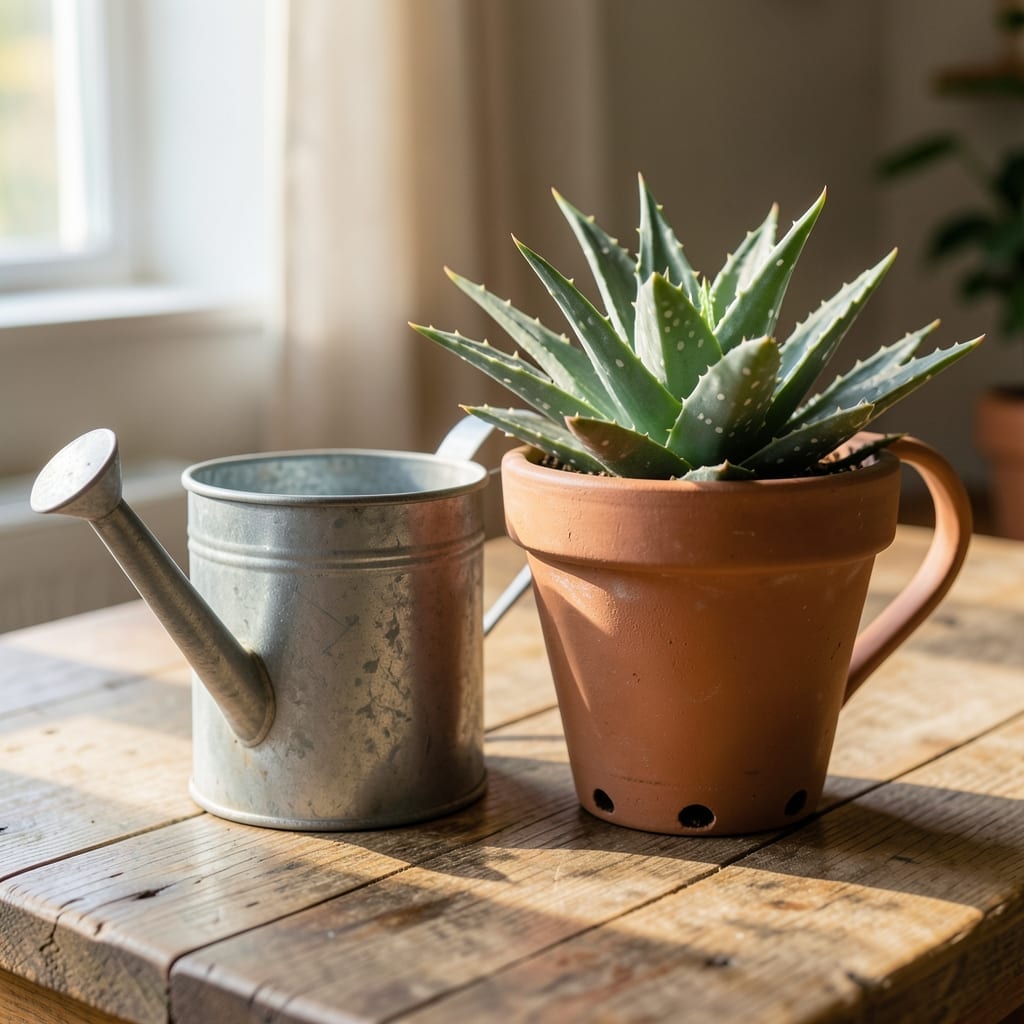
Overwatering is the #1 killer of indoor Aloe 🌱, yet many plant owners still struggle to get the watering schedule right. What seems like care can actually harm your succulent.
Mastering the balance means the difference between a thriving, healing plant and a sad, mushy mess. The good news? It’s easier than you think once you know the signs.
I’ll walk you through the simple, foolproof method that keeps your Aloe happy without the guesswork. No more wilted leaves or root rot worries.
Discover how to read your plant’s needs and create a watering routine that works perfectly for your home environment.
I’ve found that most indoor aloe plants thrive on a “soak and dry” method, which mimics their natural desert habitat. This means watering deeply, then letting the soil dry out completely before watering again.
For most homes, this translates to watering every 3-4 weeks in spring, summer, and fall. In winter, when growth slows, you can stretch it to every 4-6 weeks. Always check the soil first!
| Season | Frequency | Notes |
| Spring | Every 3-4 weeks | Active growth resumes |
| Summer | Every 3-4 weeks | Hotter temps may need checks |
| Fall | Every 3-4 weeks | Growth begins to slow |
| Winter | Every 4-6 weeks | Dormancy period |
The “soak and dry” method works because aloe plants store water in their thick leaves. Unlike other houseplants, they don’t need consistent moisture to survive.
I always recommend using the finger test: stick your finger 2 inches into the soil. If it feels completely dry, it’s time to water. If there’s any moisture, wait a few more days.
Another pro tip: water in the morning to give your aloe time to absorb moisture before evening. This helps prevent root rot, which is a common issue with overwatering.
Your pot choice matters too. Always use a container with drainage holes to prevent water from pooling at the bottom. Terra cotta pots are ideal because they wick away excess moisture.
The size of your pot also affects watering frequency. A small pot dries out faster, so you might need to water every 2-3 weeks. A large pot retains moisture longer, so 3-4 weeks is usually sufficient.
If you’re unsure, remember that aloe plants prefer too little water over too much. When in doubt, wait an extra day before watering. Your aloe will thank you with plump, healthy leaves! 🌱
Finally, pay attention to your home’s humidity. In very dry environments, your aloe might need water slightly more often. In humid climates, you can extend the time between waterings. 🌿
I see many indoor gardeners panic when their aloe plant leaves start looking a little off. But don’t grab that watering can just yet! Your aloe might be thirsty or it might be drowning—the signs are surprisingly easy to spot.
The first clue is in the leaves. When they’re thin and curled, your aloe is begging for a drink. But if they’re soft and mushy, you’ve likely overdone it. Aloe stores water in its leaves, so changes are obvious. 🌱
Check the soil moisture before watering. Stick your finger in—if it’s bone dry an inch down, it’s time. But if it’s damp, wait a few more days. Aloe hates soggy roots, so always err on the side of too dry.
Another giveaway is the leaf color. Healthy aloe leaves are plump and green. If they turn pale or translucent, you’re watering too much. On the flip side, dark green but shriveled leaves mean it’s time for a deep soak.
Don’t forget the pot’s drainage. If water pools at the bottom, your aloe is at risk. Always use pots with drainage holes and empty the saucer after watering. This simple step prevents root rot and keeps your plant happy. 🪴
Finally, observe the leaf texture. A well-hydrated aloe feels firm and springy. If the leaves feel flat or squishy, adjust your watering immediately. With these signs, you’ll never guess wrong again.