
Beautiful Plants For Your Interior
Beautiful Plants For Your Interior
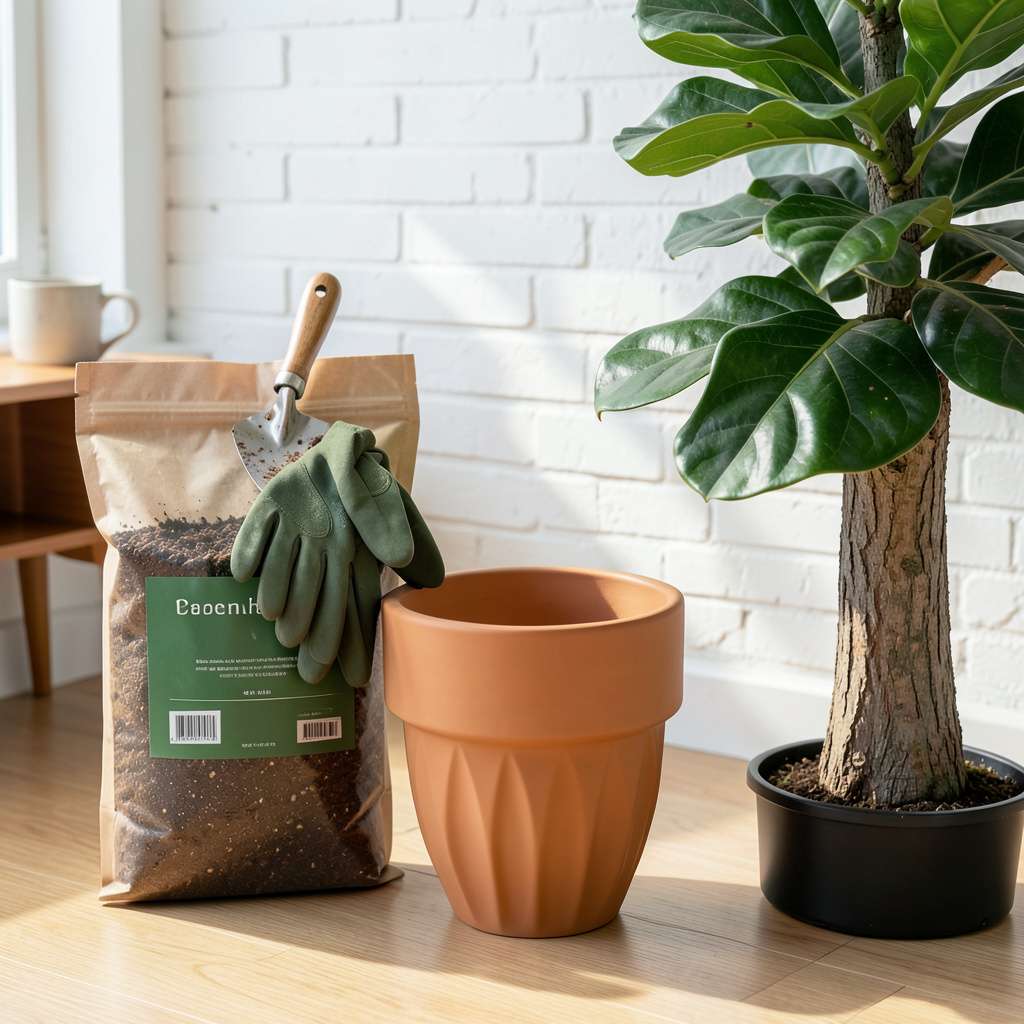
Most plants need repotting every 12-18 months, but fast-growing species may require it every 6 months. Watch for roots circling the pot or protruding from drainage holes as clear indicators it’s time.
I’ve learned through years of gardening that repotting isn’t just about space—it’s about giving roots fresh nutrients and preventing stress. 🌱 Fast growers like pothos or spider plants often outpace their containers twice as quickly as slow-growing succulents or cacti. The trick is checking the root ball: if it’s tightly packed or you see more roots than soil when you lift the plant, that’s your plant’s way of asking for an upgrade.
Season matters too—spring and early summer are ideal because plants are entering active growth phases. I always keep a few extra pots in different sizes, since jumping from a 4-inch to a 6-inch pot can make all the difference for a struggling plant. ✨
💡 In This Article
When roots start circling the bottom of the pot, they’re actually searching for more space and nutrients. This circular growth pattern, called “root binding,” happens because the plant has exhausted the available soil resources.
The roots become so densely packed that they can’t absorb water efficiently—imagine trying to drink through a straw that’s been twisted shut. 🌱
You’ll often notice slower growth or yellowing leaves first, which happens because the root system can’t support the plant’s needs. I’ve seen this most dramatically with fast growers like philodendrons—their leaves might shrink by 30-40% when root-bound compared to healthy plants.
The soil also dries out unusually fast because there’s more root mass than soil to retain moisture. A healthy root system should be white or light tan, but stressed roots turn dark brown or black.
Another telltale sign is roots escaping through drainage holes. This isn’t just about space—it’s the plant’s survival mechanism. When roots sense they’ve reached the pot’s edge, they’ll grow outward through any available exit. I once had a snake plant that pushed its roots 3 inches out of the drainage holes within a month!
This outward growth diverts energy from leaf production and weakens the plant over time. ✨
Don’t overlook the soil surface either. When roots start appearing above the soil line, that’s your plant’s way of saying “I’ve run out of room below!” This typically happens with mature plants that have been in the same pot for 2+ years. The root mass becomes so dense it literally pushes upward.
I’ve found that plants showing this sign often perk up dramatically within 2 weeks of repotting into just 1-2 inches larger container.
For container gardeners, here’s a pro tip: lift the pot when the soil is dry. If the plant feels unusually heavy for its size, that’s often a sign of dense root growth. Compare it to a similar-sized plant you’ve recently repotted—the difference can be surprising.
I keep a small notebook with repotting dates and root ball photos to track growth patterns. This helps me catch the early signs before plants become severely stressed. 💫
Remember that different plants have different needs:
The key is observing your plants regularly.
I make it part of my weekly garden routine to check for these signs. When you understand what the roots are telling you, you’ll develop an instinct for when to repot—often before the plant shows visible stress. That’s when you’ll see the most dramatic growth responses after repotting! 🌟
Delaying repotting can stunt growth and weaken your plant. Roots become so tightly packed they can’t absorb water or nutrients effectively, leading to yellow leaves and poor health. I’ve seen plants decline by 50% in vitality when left root-bound for too long.
You can, but it’s risky. Root pruning should only remove 1/3 of the root mass at most. Always sterilize your tools with rubbing alcohol first. This technique works best for slow-growing plants like jade or ficus when you want to maintain size.
Go just 1-2 inches larger in diameter than the current pot. Too much space leads to excess moisture and root rot. For fast growers like pothos, you might size up 2-3 inches. The new pot should have drainage holes—this is non-negotiable for plant health!
Avoid winter when most plants are dormant. Spring and early summer are ideal—plants recover faster during active growth. I once repotted a fern in December and it took 3 months to bounce back. Late fall is also risky as plants prepare for dormancy.
Wait 2-3 days for most plants to let any damaged roots heal. Succulents need 5-7 days dry. Watering too soon can cause root rot in fresh soil. Misting leaves helps maintain humidity without overwatering during this critical period.
