
Beautiful Plants For Your Interior
Beautiful Plants For Your Interior
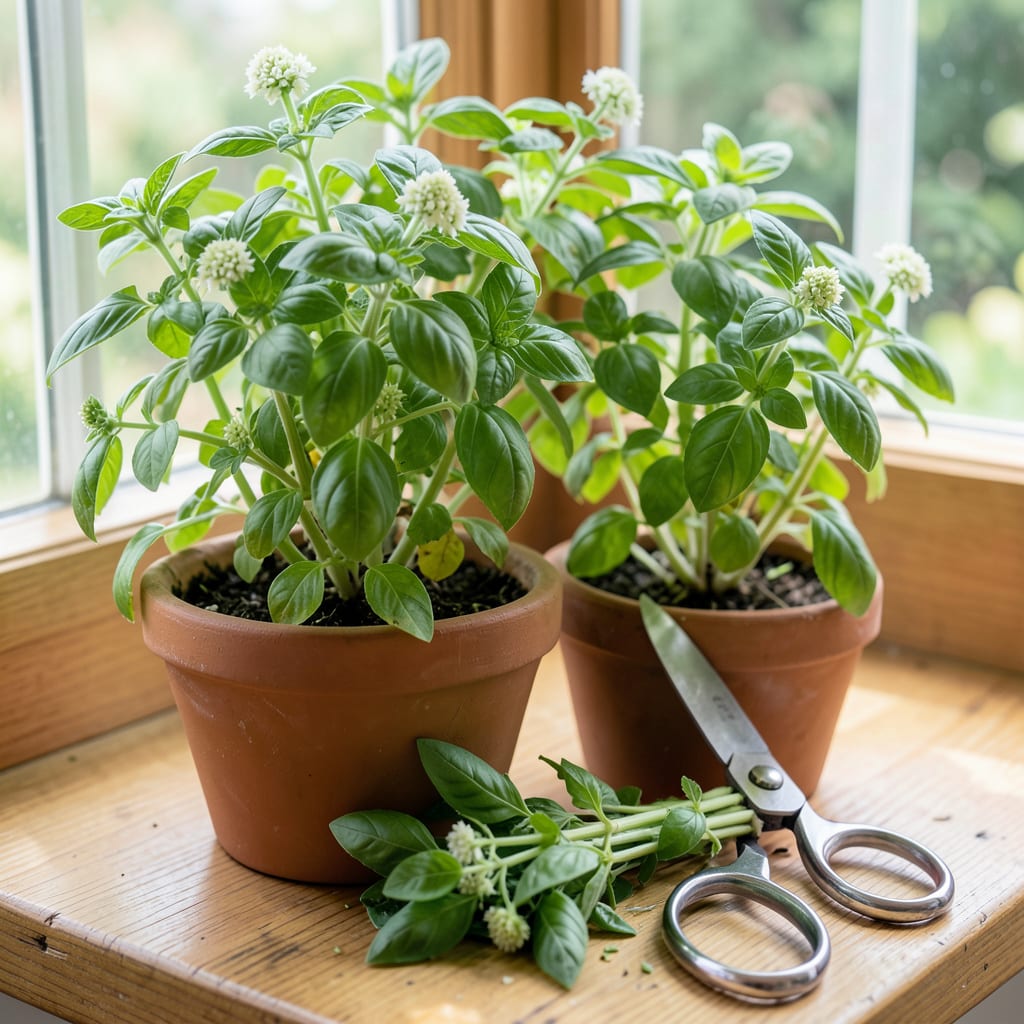
Harvesting 🌿 Basil correctly can turn a single plant into a season-long supply of fresh, aromatic leaves. The secret isn’t luck—it’s all about timing and technique.
I’ve learned that regular picking encourages bushier growth, giving you more leaves all season. Let me show you exactly how to make it happen without damaging your plant.


I’ve found that harvesting basil weekly is the sweet spot for continuous growth and a steady supply of fresh leaves. This frequency keeps the plant bushy and productive all season long.
Regular picking prevents the plant from going to seed too early, which can make the leaves bitter and tough. It also encourages the growth of new side shoots, giving you more to harvest later.
| Harvest Factor | Optimal Details |
|---|---|
| Frequency | Every 7-10 days |
| Plant Height | 6+ inches tall |
| Leaf Signs | Fully developed and fragrant |
| Season | June-September |
For young basil plants, start harvesting when they reach about 6 inches tall. At this stage, they’ll have enough foliage to recover quickly after each harvest.
In hot summer months, you might need to harvest every 5-7 days, as the plant grows faster. Just be sure to never remove more than one-third of the plant at once.
If you notice flower buds forming, it’s time to harvest immediately. Pinching off these buds redirects the plant’s energy into leaf production rather than flowering.
For container-grown basil, the same weekly rule applies, but monitor the soil moisture closely. Potted plants dry out faster and may need more frequent watering after harvesting.
I always use sharp scissors or pruners to make clean cuts just above a leaf node. This method minimizes damage and encourages branching at the cut point.
After harvesting, give your basil a light watering to help it recover. Avoid heavy fertilization, as it can lead to weak, leggy growth rather than the compact, leafy plant you want.
By following this weekly harvest schedule, you’ll enjoy a continuous supply of fresh basil leaves throughout the growing season. It’s a simple routine that yields big rewards. ✂️
Harvesting basil properly ensures your plant stays healthy and productive all season. I always start by checking that my plant is at least 6 inches tall with multiple leaf sets.
Using clean, sharp scissors or pruners is crucial to prevent tearing the stems. I make my cuts just above a leaf node, which is where two leaves emerge from the stem.
I’ve learned that morning harvesting produces the most flavorful leaves, as the plant’s oils are most concentrated after the cool night and before the midday heat.
Never remove more than one-third of the plant at once. This rule prevents shocking the plant and allows it to recover quickly for the next harvest.
After cutting, I inspect the plant for any yellow or damaged leaves and remove them. This keeps the plant focused on new growth rather than repairing old foliage.
For container-grown basil, I check the soil moisture after harvesting. Potted plants often need extra water to compensate for the stress of pruning. ✂️
I’ve seen many gardeners accidentally stunt their basil by making common harvesting mistakes. The most frequent error is cutting too much at once, which can shock the plant. ✂️
Another issue is harvesting at the wrong spot. Always cut just above a leaf node, never in the middle of a stem. This ensures new growth from the right places.
⚠️ Warning: Avoid these common basil harvesting mistakes to keep your plant healthy and productive.
I’ve also noticed gardeners neglecting to check for flower buds. These should be pinched off immediately to prevent the plant from going to seed.
Using dull tools can crush stems, making the plant more susceptible to disease. Always use sharp, clean scissors or pruners for a clean cut.
Finally, don’t forget post-harvest care. A light watering after picking helps your basil recover faster and continue producing. 🌿
Harvest in the morning after dew dries for the most flavorful leaves. This is when the plant’s oils are most concentrated before midday heat.
Look for plants that are at least 6 inches tall with multiple sets of fully developed leaves. The leaves should be fragrant when crushed.
Pinch off any flower buds immediately to redirect energy to leaf production. Flowering makes leaves taste bitter and tough.
Removing more than one-third of the plant shocks it and slows regrowth. Always leave enough foliage for recovery.
