
Beautiful Plants For Your Interior
Beautiful Plants For Your Interior
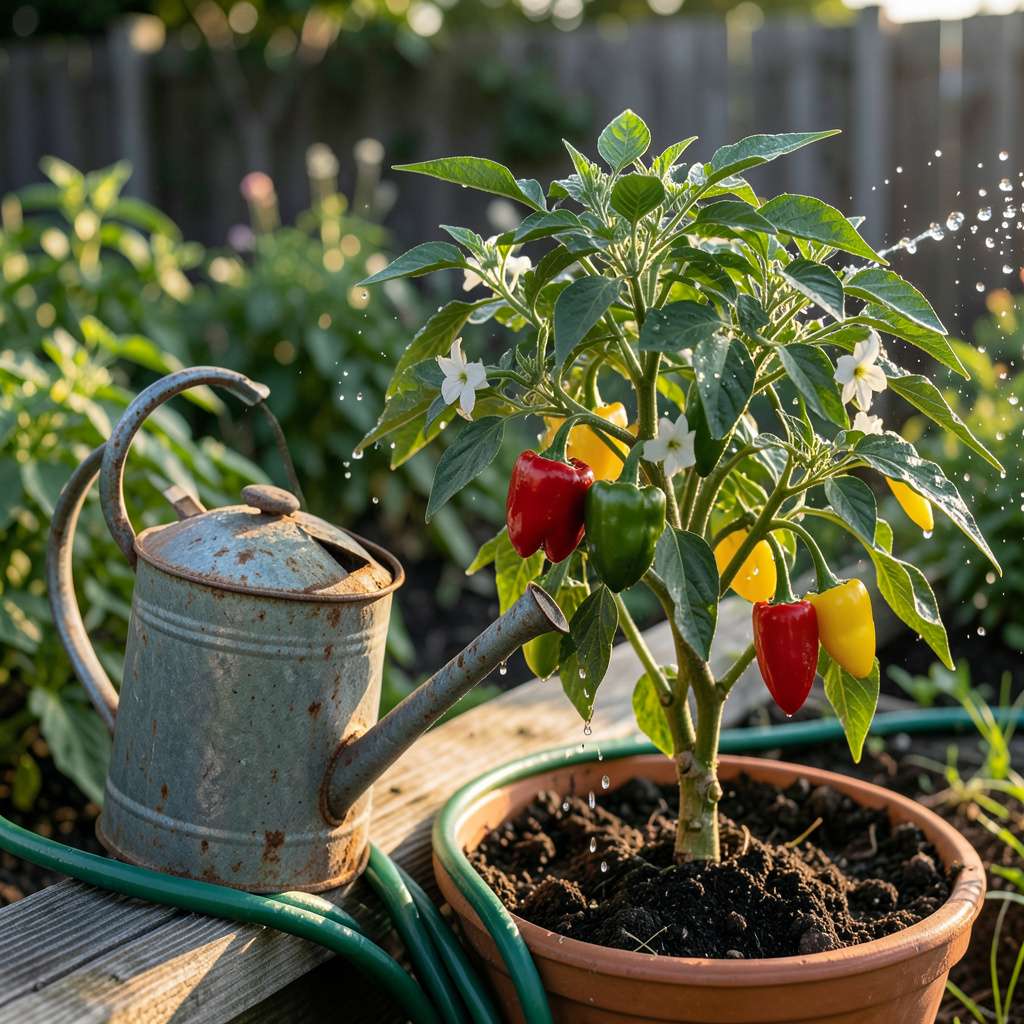
Pepper plants need consistent moisture—water deeply 1-2 times per week, adjusting for weather and soil drainage. Check the top 1-2 inches of soil; if dry, it’s time to water. Overwatering or drought stress both harm growth.
I’ve learned through years of gardening that peppers thrive when their roots can establish deep connections in the soil. 🌱 This is why deep watering matters more than frequent light sprinkles—it encourages roots to grow downward, making plants more resilient during dry spells. What many beginners overlook is how morning watering reduces evaporation loss and prevents fungal issues that evening moisture can cause. The real secret lies in observing your plants daily; wilting leaves in the afternoon might just be heat stress, but if they stay droopy overnight, that’s your cue to adjust your routine.
💡 In This Article
What most gardeners don’t realize is that pepper plants’ water needs change dramatically based on their environment. The key factor is evapotranspiration rate—how quickly water evaporates from soil and transpires through leaves. In hot climates like Arizona, you might need daily watering, while in cooler Pacific Northwest summers, 2-3 times weekly suffices.
This works because peppers develop extensive root systems that can access moisture differently depending on soil conditions.
Soil composition plays a massive role in water retention. Sandy soils drain quickly, often requiring water every 2-3 days, while clay-heavy soils hold moisture longer, sometimes needing water just once weekly. 🌱 Container-grown peppers dry out faster than in-ground plants due to limited soil volume—sometimes needing daily attention in peak summer.
I’ve found that adding 20-30% organic matter (compost or worm castings) improves water retention while maintaining good drainage.
Plant maturity dramatically changes water requirements. Seedlings need consistent moisture to establish roots, while mature plants with deep root systems (12-18 inches) can tolerate longer periods between waterings. The science behind this involves root zone development—young plants have shallow roots that dry out quickly, while established plants can access moisture from deeper soil layers.
This is why the “finger test” (checking top 1-2 inches) works so well—it accounts for these developmental differences.
Weather patterns create surprising variations in watering needs. A 90°F day with low humidity might require 50% more water than a 75°F day with high humidity. Wind also accelerates evaporation—gardeners in windy areas often need to water 25-30% more frequently than those in sheltered locations.
What I’ve learned from my garden journals is that peppers show stress differently: hot weather causes temporary wilting that recovers by evening, while true water stress leaves plants wilted overnight.
Here’s what’s actually happening at the root level: Pepper plants absorb water through root hairs via osmosis, but this process slows dramatically in cold soil (below 60°F). This is why spring plantings often need less frequent watering than summer crops.
The ideal soil temperature range for optimal water uptake is 70-85°F, where roots can absorb moisture efficiently without stress. ✨
Container size makes a surprising difference in watering frequency. A 5-gallon pot might need water every 2-3 days in summer, while a 15-gallon container could go 4-5 days between waterings. The volume-to-root ratio is critical—smaller containers have less soil to hold moisture, and their exposed sides lose water faster through evaporation.
I’ve had best results with fabric grow bags that allow air pruning of roots while maintaining consistent moisture levels.
The real game-changer is understanding your specific microclimate. I keep a simple rain gauge and soil thermometer to track conditions. When temperatures spike above 85°F, I increase water by 30% and add shade cloth. During fruit set, I’m especially careful—water stress then can cause blossom end rot, while overwatering leads to cracked peppers.
The sweet spot is maintaining soil moisture at about 60-70% field capacity, where water is available but air pockets remain for root respiration. 💫
Early morning (before 9 AM) is ideal for watering peppers. This allows water to reach roots before evaporation increases, and gives leaves time to dry before evening. Avoid night watering, which can promote fungal diseases like powdery mildew.
Use the finger test: Insert your finger 2 inches deep into the soil. If it feels dry at that depth, it’s time to water. Also watch for leaves that stay wilted overnight—this indicates true water stress, not just heat-related drooping.
Yes! Containers dry out much faster due to limited soil volume and increased air exposure. A 5-gallon pot may need daily watering in summer, while in-ground plants typically require water every 2-3 days in similar conditions.
Overwatering causes yellowing leaves, stunted growth, and root rot. The soil should never stay soggy—aim for moist but well-drained conditions. If you suspect overwatering, let the top 2-3 inches dry out completely before watering again.
Consistent moisture becomes critical during fruiting. Inconsistent watering can cause blossom end rot or cracked peppers. Increase frequency slightly if your plants show signs of stress, but avoid waterlogging the soil.
