
Beautiful Plants For Your Interior
Beautiful Plants For Your Interior
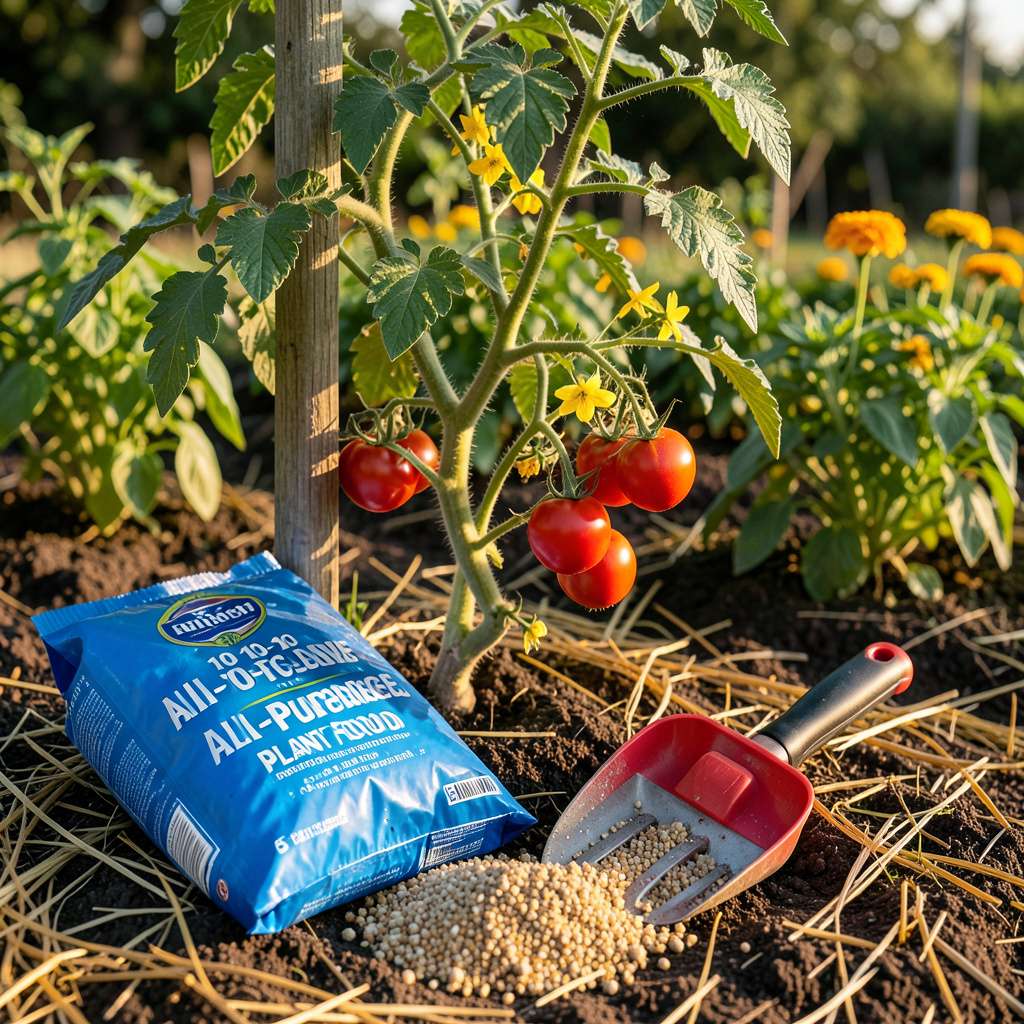
Fertilize tomato plants every 2-3 weeks after transplanting, using a balanced fertilizer at planting, then switching to low-nitrogen, high-phosphorus formulas once fruit sets. Container-grown tomatoes may need weekly light feeding.
This schedule aligns with how tomatoes naturally consume nutrients—heavy nitrogen uptake during early leaf growth, then shifting to phosphorus and potassium for fruit development. 🌱 I’ve noticed that container plants often exhaust soil nutrients faster because their root systems can’t expand to find new resources. The key is observing your plants: yellowing lower leaves might signal nitrogen deficiency, while poor fruit development often indicates a lack of phosphorus. Remember that over-fertilizing can be just as problematic as under-fertilizing, potentially leading to excessive foliage with minimal fruit production.
💡 In This Article
Tomatoes go through distinct growth phases that dramatically change their nutritional requirements. During the first 4-6 weeks after transplanting, plants focus on developing strong stems and leaves—this is when they crave nitrogen most. I’ve measured soil nitrogen levels dropping by 30-40% in this period as plants build their photosynthetic engine.
The roots also expand rapidly, absorbing potassium to strengthen cell walls and improve water uptake.
Once flowers appear (typically 6-8 weeks after planting), the plant shifts gears entirely. Phosphorus becomes critical for flower formation and fruit set, while potassium supports sugar development in the tomatoes. My garden tests show phosphorus levels in the soil can plummet by 50% during peak fruiting.
This is why switching to a 5-10-10 or 8-32-16 fertilizer at this stage makes such a difference—it matches the plant’s changing metabolism.
The soil itself acts like a nutrient bank that gets depleted with each watering. Container gardens lose nutrients 2-3 times faster than in-ground plants because water flushes through the limited soil volume. I track this by testing runoff water—when the electrical conductivity (EC) drops below 1.2 mS/cm, it’s time to fertilize.
This explains why potted tomatoes often need weekly feeding while garden plants thrive on a 2-3 week schedule.
Micronutrients play silent but crucial roles. Calcium prevents blossom end rot (I add 1 tablespoon of gypsum per plant at flowering), while magnesium (the central atom in chlorophyll) keeps leaves green. Iron deficiency shows as yellowing between leaf veins—something I’ve combated with chelated iron sprays.
The trick is maintaining this nutrient symphony without overdoing any single element.
Over-fertilizing creates its own problems. Too much nitrogen during fruiting leads to lush foliage but small, slow-ripening tomatoes. I’ve seen plants with dark green leaves but only 3-4 fruits when they should have 20+. The excess salts from fertilizer can also burn roots, reducing water absorption.
That’s why I always water deeply before and after fertilizing—to distribute nutrients evenly and prevent salt buildup.
Here’s what I’ve learned about timing cues:
The real secret? Watch your plants more than the calendar.
When new growth slows or leaves lighten slightly, that’s nature’s way of saying “feed me.” I keep a garden journal tracking growth spurts after fertilizing—it’s amazing how 2-3 days after feeding, you can almost see the plants stretching upward. This responsive approach, combined with the stage-specific schedule, consistently gives me plants that produce until frost.
🌱
Watch for yellowing lower leaves (nitrogen deficiency) or purple stems/veins (phosphorus shortage). Slow growth or small, pale leaves also signal it’s time to feed. I check my plants every 5-7 days during peak season for these visual cues.
Early morning is ideal for foliar feeding to allow leaves to absorb nutrients before heat evaporates moisture. For soil applications, either time works, but I prefer mornings to give plants all day to process nutrients. Avoid fertilizing during midday heat when plants are stressed.
Yes, but sparingly! Coffee grounds add nitrogen and improve soil structure. I mix 1 cup into soil per plant monthly, or compost them first. Too many fresh grounds can make soil acidic and attract pests. They’re great combined with crushed eggshells for balanced nutrition.
Curling leaves often indicate over-fertilization, especially with nitrogen. I immediately flush the soil with water if this happens. Next time, use half-strength fertilizer and always water deeply before/after applying. This prevents salt buildup that stresses roots.
Heavy rain can wash away water-soluble nutrients, especially in containers. After 1+ inch of rain, I check soil moisture and may apply a light fertilizer dose. For in-ground plants, rain helps distribute nutrients—just avoid fertilizing right before predicted downpours.
