
Beautiful Plants For Your Interior
Beautiful Plants For Your Interior
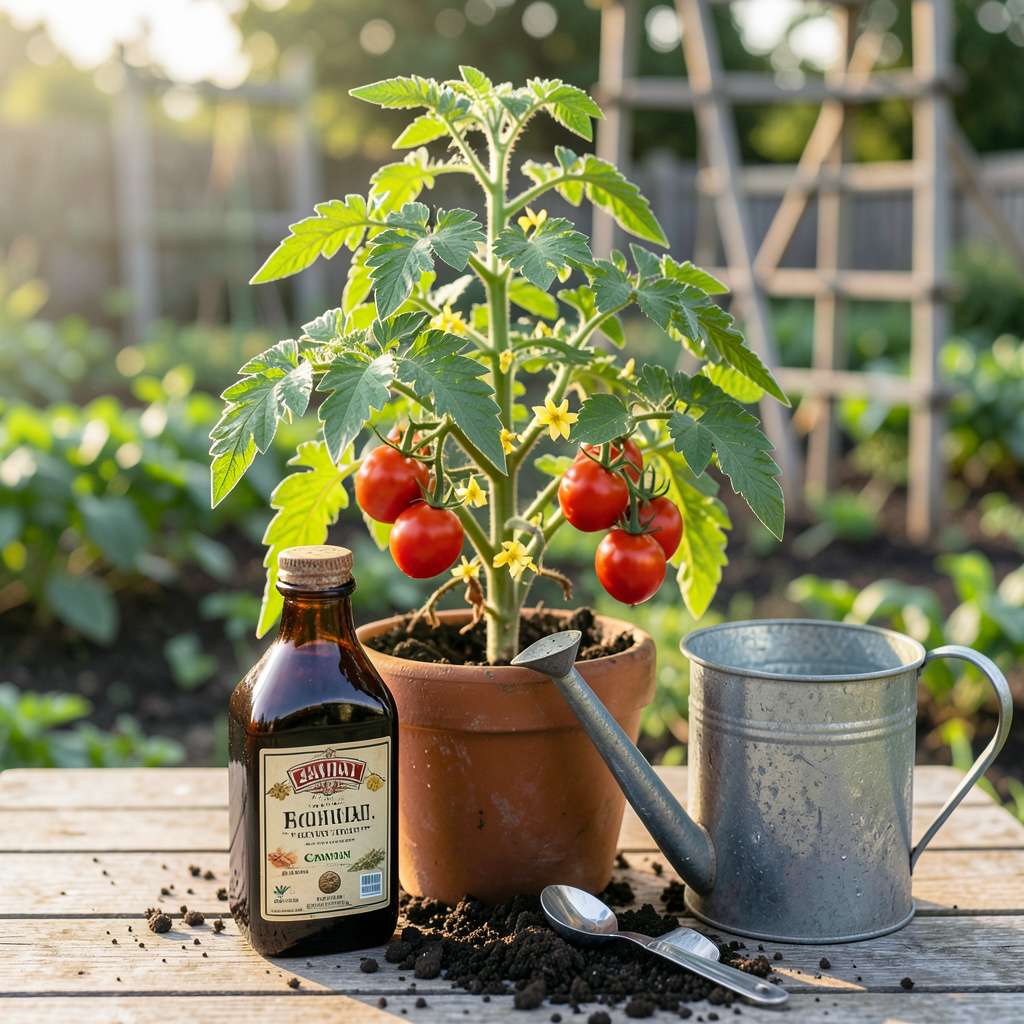
For most plants, apply molasses every 2-4 weeks during active growth. Use 1-2 tablespoons per gallon of water for foliar sprays or soil drenches. Reduce frequency in winter or for sensitive plants.
Molasses acts like a microbial energy drink for your garden soil. 🔥 When I first started using it, I noticed how it supercharges beneficial bacteria and fungi that break down nutrients into plant-available forms. The key is matching your application schedule to your plants’ growth cycles—leafy greens might thrive with weekly light doses, while fruit trees often do better with monthly deep feeds. Always monitor your plants’ response, as too much can create fungal imbalances or attract pests.
💡 In This Article
Molasses works like a power boost for your soil’s microscopic workforce. When you add it to your garden, you’re feeding the beneficial bacteria and fungi that live around plant roots. These microbes break down organic matter and convert nutrients into forms plants can absorb.
The simple sugars in molasses provide an immediate energy source, while the complex carbohydrates support long-term microbial growth. This microbial activity creates a living soil ecosystem that improves nutrient cycling and plant health. 🌱
The science behind this process is fascinating. Molasses contains about 50% sugar by weight, primarily sucrose, glucose, and fructose. When diluted in water (typically 1-2 tablespoons per gallon), these sugars become readily available to soil microorganisms. The microbes multiply rapidly, increasing their population by 20-30% within 24-48 hours of application.
This microbial bloom enhances nitrogen fixation, phosphorus solubilization, and potassium availability in the root zone.
What’s particularly exciting is how molasses affects plant metabolism. The increased microbial activity stimulates root exudation—the process where plants release sugars and other compounds through their roots. This creates a positive feedback loop: more root exudates attract more beneficial microbes, which in turn help plants absorb more nutrients.
Studies show that regular molasses applications can increase root mass by up to 40% in some vegetable crops, leading to stronger, more resilient plants. 💪
The concentration matters significantly. A 1 tablespoon per gallon solution provides a gentle boost suitable for most plants, while 2 tablespoons per gallon creates a stronger effect better suited for heavy feeders like tomatoes or squash.
Too much molasses (over 3 tablespoons per gallon) can create an imbalance, favoring fungal growth over bacterial activity and potentially leading to root issues. The ideal frequency of every 2-4 weeks allows time for the microbial population to stabilize between applications.
Seasonal timing plays a crucial role in maximizing benefits. During active growth periods (spring through early fall), plants and microbes are most responsive to molasses applications. The warmer soil temperatures (above 55°F) accelerate microbial activity, making the carbon source more effective.
In contrast, winter applications often provide minimal benefit since both plant metabolism and microbial activity slow down in colder conditions. This is why reducing frequency or stopping applications entirely during dormancy periods makes biological sense. ❄️
Different plants respond differently to molasses treatments. Leafy greens and fast-growing annuals typically show the most dramatic responses, often benefiting from more frequent applications (every 2 weeks). Woody perennials and established shrubs, on the other hand, usually need less frequent treatments (every 4-6 weeks) because their root systems and associated microbial communities are more stable.
Observing your plants’ response—looking for improved leaf color, faster growth, and overall vigor—will help you fine-tune your application schedule for optimal results. 🌿
Blackstrap molasses contains more minerals like iron, calcium, and magnesium, making it the superior choice for gardening. Regular molasses still works but lacks these beneficial trace elements. The darker color indicates higher mineral content from the final stage of sugar processing.
Yes, but with caution. Molasses pairs well with compost tea or fish emulsion, but avoid mixing with synthetic fertilizers. The microbes stimulated by molasses may react unpredictably with chemical fertilizers. Always test small amounts first and observe plant response.
Early morning is ideal for foliar applications when plant stomata are most receptive. For soil drenches, late afternoon works best as temperatures begin to cool. Avoid midday applications when evaporation is highest and could reduce effectiveness.
Watch for sticky residue on leaves, white fungal growth on soil, or increased pest activity. These signs indicate overapplication. If noticed, flush the soil with water and reduce your next application by half. The soil should smell earthy, not sweet.
Most plants benefit, but succulents and cacti typically don’t need it. Leafy vegetables and fruiting plants show the most dramatic responses. For sensitive plants like herbs, use half-strength solutions and monitor closely. Always research specific plant needs.
