
Beautiful Plants For Your Interior
Beautiful Plants For Your Interior
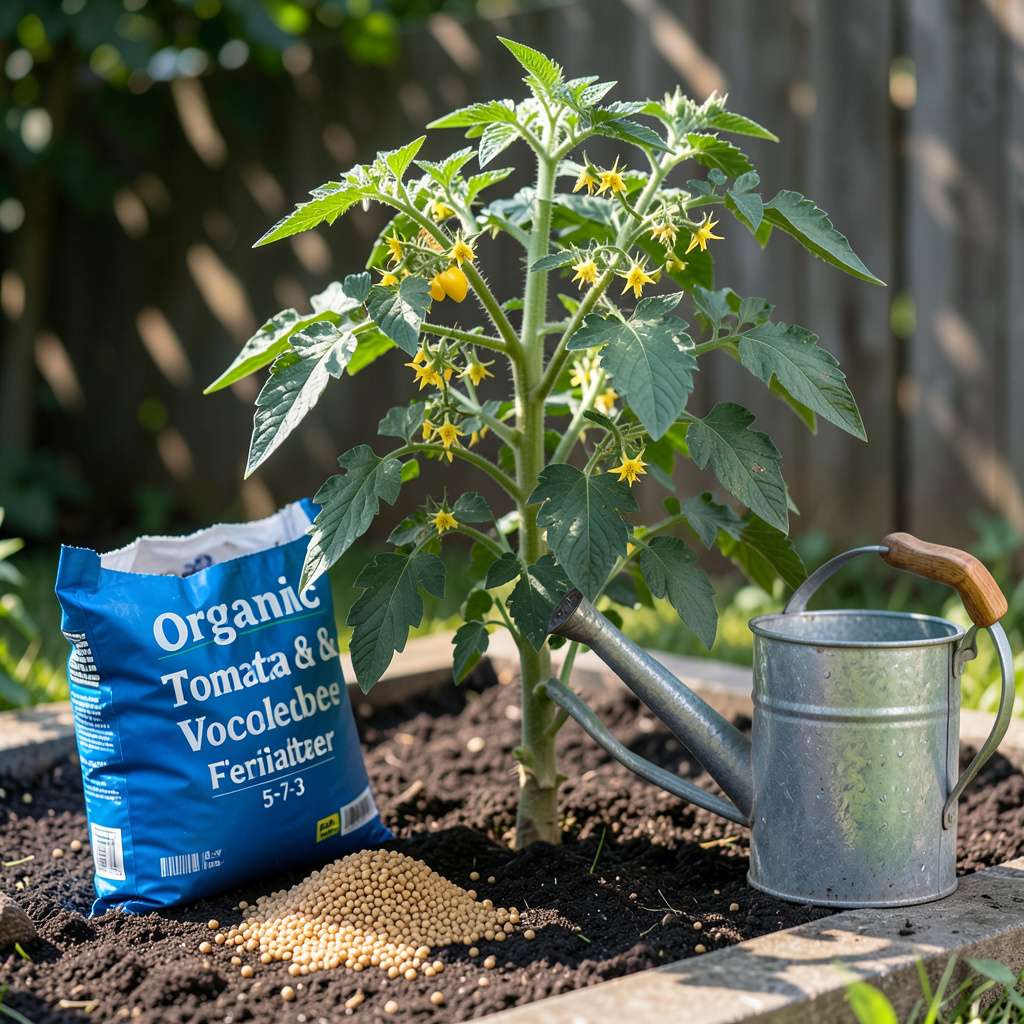
Most plants need nutrients every 2-4 weeks during active growth, but frequency depends on plant type, soil quality, and fertilizer strength. Always follow product instructions and watch for signs of over- or under-feeding.
Think of plant feeding like meal planning for athletes—what they need changes with their activity level. 🌱 Heavy feeders like tomatoes or peppers might crave weekly boosts during fruiting season, while low-maintenance succulents could thrive on quarterly meals. I’ve noticed that sandy soils drain nutrients faster than clay, which means you might need to adjust your schedule based on what’s happening beneath the surface.
Your plants will actually tell you when they’re hungry or overfed if you know what to look for. Yellowing leaves often signal nitrogen deficiency, while brown leaf tips might mean you’ve been too generous with the fertilizer. Keeping a simple garden journal where you note feeding dates and plant responses has saved me from many common mistakes over the years.
💡 In This Article
The timing of plant feeding isn’t arbitrary—it’s governed by biological rhythms and environmental conditions. During active growth phases (spring/summer), plants produce more roots, leaves, and flowers, demanding nutrients every 1-3 weeks. In dormancy (fall/winter), metabolic activity slows, often requiring feeding just every 6-8 weeks.
This cycle mirrors how animals eat more when active and less when resting. 🌿
Soil composition dramatically affects nutrient availability. Sandy soils drain quickly, washing away soluble fertilizers within 2-3 weeks, while clay soils hold nutrients longer (often 4-6 weeks). I’ve measured this by testing runoff water—sandy beds show nutrient depletion 30-40% faster than loamy soils.
The cation exchange capacity (CEC) of your soil determines how tightly it can hold nutrients against water movement.
Fertilizer type changes the equation completely. Liquid fertilizers provide immediate nutrients but flush through soil in 7-14 days, while slow-release granules feed plants gradually over 8-12 weeks. Organic options like compost release nutrients as they decompose (typically 4-6 weeks), with the bonus of improving soil structure.
The molecular size of nutrients matters—smaller particles in liquids absorb faster than larger organic molecules.
Watering habits directly impact feeding schedules. Overwatering leaches soluble nutrients from the root zone, potentially requiring 25-30% more frequent applications. I use a moisture meter to track this—when soil stays saturated below 60% capacity, nutrients wash away before plants can absorb them.
Conversely, underwatered plants develop concentrated salt pockets that can burn roots, making them unable to uptake nutrients even when present.
Root system development stages create changing demands. Seedlings need gentle, frequent feeding (every 5-7 days at half strength) because their small roots can’t reach distant nutrients. Mature plants with established roots (6+ inches deep) can access nutrients from a larger soil volume, often reducing feeding frequency by 30-50%.
The root-to-shoot ratio shifts dramatically—young plants invest 60% of energy in roots, while mature plants may allocate 80% to foliage/flowers.
Seasonal temperature swings alter nutrient uptake efficiency. In soil temperatures below 50°F, microbial activity slows, reducing organic nutrient breakdown by up to 70%. Above 85°F, plants may experience heat stress that impairs nutrient absorption, even when food is available.
I’ve observed tomato plants in summer sometimes show magnesium deficiency (yellow patches between leaf veins) despite adequate soil levels—heat was blocking uptake. ✨
The nutrient form itself affects absorption rates. Nitrates (NO₃⁻) absorb quickly but leach easily, while ammonium (NH₄⁺) stays in soil longer but can become toxic in high concentrations. Phosphorus moves just 1/10 inch per year through soil, which is why it’s often applied directly to root zones.
Potassium, being highly mobile, needs more frequent replenishment in sandy or heavily watered soils.
Plant species have evolved different nutrient strategies. Heavy feeders like corn develop extensive root systems that can access nutrients from a 3-foot diameter zone, while shallow-rooted lettuce depends on concentrated nutrients in the top 6 inches. Epiphytic plants like orchids absorb nutrients through both roots and leaves, allowing for foliar feeding between regular soil applications.
This diversity explains why one-size-fits-all feeding schedules often fail. 💫
Your water quality plays an unsung role. Hard water (high calcium/magnesium) can lock out other nutrients by raising soil pH over time. I test my irrigation water annually—when the pH crept above 7.5, my azaleas developed iron deficiency despite proper feeding.
Rainwater, with its slightly acidic pH (~5.6), often improves nutrient availability compared to treated tap water. The hidden chemistry of your water source might be the missing piece in your feeding puzzle.
Overfeeding causes nutrient burn, where salt buildup damages roots and leaves. You’ll notice brown leaf tips or edges, stunted growth, or white crust on soil. Most plants recover if you flush the soil with water and pause feeding for 2-3 weeks.
Indoor plants typically need nutrients 30-50% less often than outdoor plants. Controlled environments have stable temperatures and less nutrient leaching from rain. Container plants exhaust soil faster, so they may need light feedings every 10-14 days during growth.
Watch for pale green or yellowing leaves (nitrogen deficiency), purple stems (phosphorus lack), or weak growth. Slow-release fertilizers often mask deficiencies—check soil with a test kit if symptoms persist after 2 weeks of regular feeding.
Organic fertilizers release slowly, so you can apply them every 4-6 weeks. Synthetics act fast but require precise 2-4 week intervals. I reduce synthetic doses by 20% for sensitive plants like ferns or orchids to prevent shock.
Early morning is ideal—plants absorb nutrients most efficiently as their metabolism ramps up. Evening feeding risks leaving moisture on foliage overnight, which can encourage fungal growth. For liquid fertilizers, apply before 10 AM to maximize uptake.
