
Beautiful Plants For Your Interior
Beautiful Plants For Your Interior
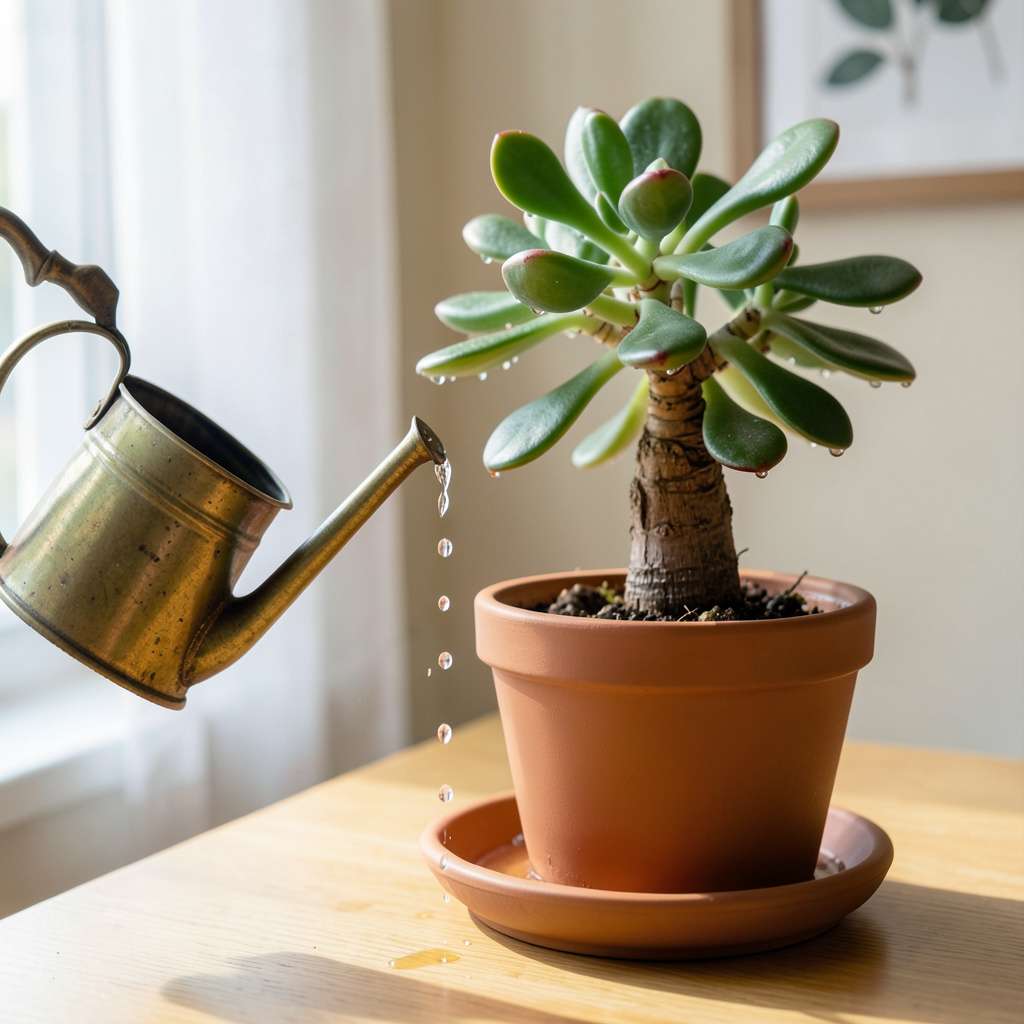
Water jade plants every 2-3 weeks in spring/summer and every 4-6 weeks in fall/winter. Always let the soil dry completely between waterings to prevent root rot and overwatering issues.
Jade plants thrive on neglect rather than constant attention, which is why I always recommend the “soak and forget” approach. 💫 Their thick, fleshy leaves act like natural water reservoirs, allowing them to survive extended dry periods that would wilt other houseplants. What many beginners miss is how dramatically seasonal changes affect their water needs—winter dormancy means they might not need water for over a month, while summer heat can double their usual frequency.
I’ve learned through experience that the finger test is more reliable than any schedule. Push your finger 1-2 inches into the soil—if it feels bone dry, it’s time to water. This simple habit has saved more jade plants in my care than any fancy moisture meter. The key is observing your specific plant’s behavior in your home’s unique environment, not just following generic guidelines.
💡 In This Article
Jade plants are masters of water conservation, storing moisture in their thick, succulent leaves like tiny biological reservoirs. This adaptation allows them to survive in arid conditions where rainfall is unpredictable. During active growth in spring and summer, they use this stored water more quickly to fuel new leaf production.
The metabolic processes speed up, requiring more frequent replenishment—typically every 2-3 weeks depending on your climate. 🌱
The real game-changer comes with temperature fluctuations. In summer, when temperatures climb above 75°F, soil dries out 30-50% faster due to increased evaporation. Conversely, winter brings dormancy where growth nearly stops. The plant’s water needs drop dramatically—often requiring water just once every 4-6 weeks.
Indoor heating systems can complicate this, creating microclimates where soil dries unevenly across different rooms.
Humidity plays a surprising role too. In naturally humid environments (above 50% humidity), jade plants can go longer between waterings because the air itself provides moisture. But in dry winter air from heating systems, you might notice leaf wrinkling—a clear sign the plant is pulling from its internal reserves.
This seasonal stress response is why experienced growers adjust their watering rhythm rather than sticking to a rigid calendar schedule. ✨
The soil composition dramatically affects drying rates. A fast-draining cactus mix (with 50-60% perlite/pumice) will dry out in 5-7 days during summer, while dense potting soil might stay moist for weeks, risking root rot. I’ve found that terracotta pots—being porous—help wick away excess moisture, creating a more forgiving environment for beginners.
The pot size matters too: a 6-inch pot dries out twice as fast as a 10-inch pot with the same plant.
Watch for these seasonal signals: plump, firm leaves indicate proper hydration, while soft or wrinkled leaves scream for water. Yellowing lower leaves often signal overwatering, especially in winter when the plant can’t use the excess moisture.
The most reliable test remains the finger method—when the top 1-2 inches of soil feel completely dry, it’s time to water deeply until it runs from the drainage holes. This mimics the natural desert rain patterns jade plants evolved to thrive under. 💧
What many don’t realize is that jade plants develop deeper root systems when allowed to dry between waterings. This makes them more drought-resistant over time. The stress of slight dehydration actually stimulates root growth, while constant moisture keeps roots shallow and vulnerable.
It’s this counterintuitive care approach—letting them get slightly thirsty—that transforms good jade plants into spectacular, decades-old specimens.
Overwatering is the #1 killer of jade plants. Constant moisture leads to root rot, where roots turn mushy and black instead of firm and white. You’ll notice yellowing leaves, soft stems, and eventually leaf drop. The plant essentially drowns because its roots can’t breathe in waterlogged soil.
Use the finger test: stick your finger 1-2 inches into the soil. If it feels completely dry, it’s time to water. Wrinkled leaves are another clear sign of thirst, while plump, firm leaves mean your plant is well-hydrated. Always check before watering rather than following a strict schedule.
Never mist jade plants! Their leaves store water, and excess moisture on foliage can cause rot or fungal issues. If your home is very dry, place a tray of water with pebbles near the plant (not touching the pot) to increase ambient humidity. These desert natives prefer dry air over damp conditions.
This method works for some plants but isn’t ideal for jade plants. The slow melt can keep soil too moist for too long, especially in cooler months. It’s better to water thoroughly until it runs from the drainage holes, then let the soil dry completely before repeating.
Sudden leaf drop usually indicates stress—either from overwatering or underwatering. Check the soil: if it’s bone dry, your plant is thirsty; if it’s damp, you’re watering too often. Other causes include temperature shocks or poor lighting. Healthy jade plants should only drop lower leaves occasionally as they grow.
