
Beautiful Plants For Your Interior
Beautiful Plants For Your Interior
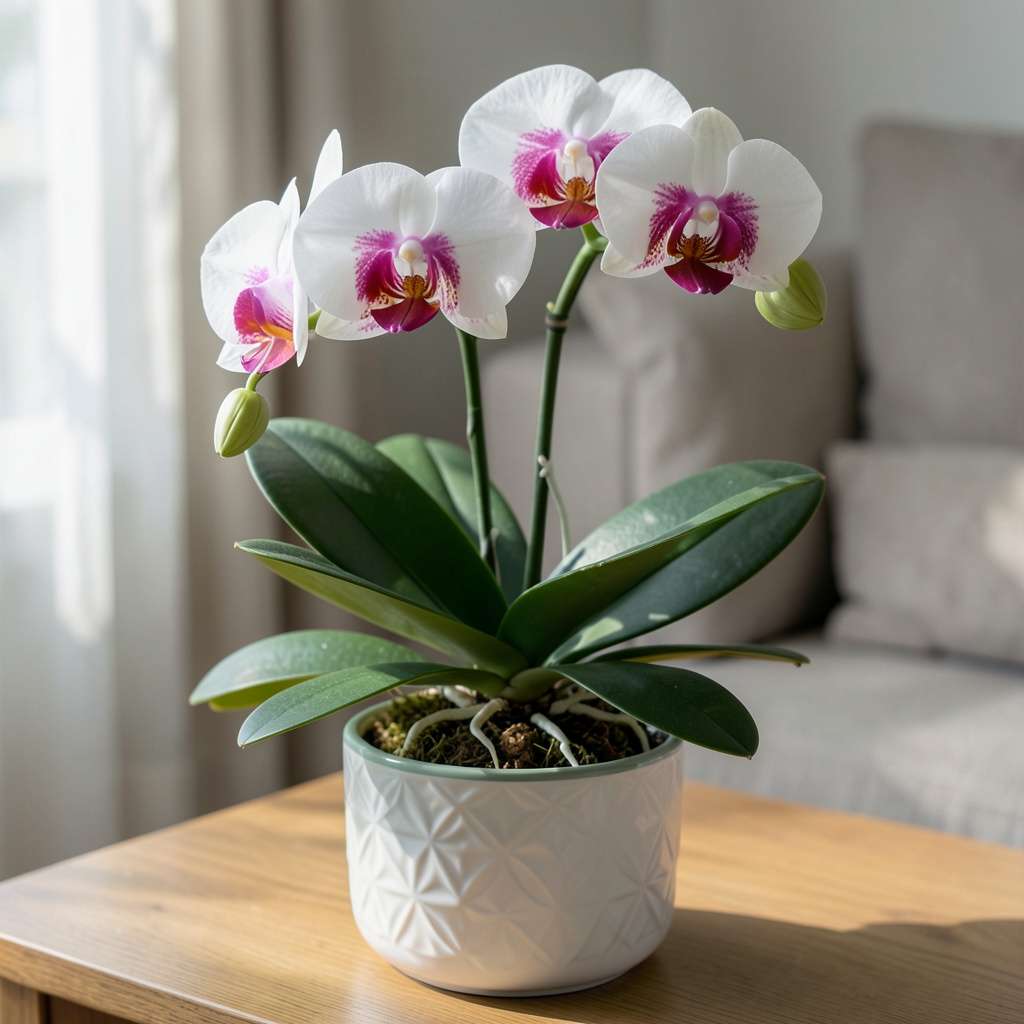
Orchids typically bloom every 6-12 months, depending on species, care, and environmental conditions like light, temperature, and humidity.
The frequency of blooming in orchids is fascinating and can vary widely. 🌺 For example, the Phalaenopsis type may flower more consistently under optimal care, while others like Dendrobium might have specific seasonal cycles. It’s crucial to provide the right balance of light and humidity, as these elements play a significant role in triggering blooms. Additionally, proper fertilization and timely repotting can enhance their blooming potential, making your efforts worthwhile.
Understanding these factors helps me better care for my plants and anticipate their blooming periods. 🌼 It’s always rewarding to see them flourish when given the right environment and attention!
💡 In This Article
Understanding the blooming cycles of orchids involves recognizing the interplay of several environmental factors. For instance, orchids like Phalaenopsis thrive with bright, indirect light, while Dendrobium prefers a more pronounced seasonal light shift. The right amount of light exposure can stimulate flower spikes, which typically develop after a period of proper care. 🌞
Watering practices significantly impact blooming as well. Overwatering can lead to root rot, while underwatering may stress the plant, delaying blooms. Aim for a watering schedule that allows the potting medium to dry slightly between waterings. Generally, watering every 7-10 days suffices, depending on humidity levels and pot size. 💧
Temperature is another critical element in the blooming process. Most orchids prefer daytime temperatures around 75-85°F and nighttime temperatures around 60-70°F. This temperature differential mimics their natural habitat and encourages the hormonal changes necessary for flowering. 🌡️
Fertilization plays a pivotal role in orchid health and bloom frequency. Using a balanced orchid fertilizer every two weeks during the growing season can provide essential nutrients. Post-bloom, consider reducing feeding to allow the plant to rest before the next blooming cycle. This rest is crucial for energy replenishment. 🌱
Lastly, species-specific biology cannot be overlooked. For example, some orchids naturally bloom annually, while others may have multiple blooming periods throughout the year. Understanding these nuances allows for tailored care strategies that align with each orchid’s unique lifecycle. 📅
In summary, creating an optimal environment by managing light, water, temperature, and nutrition can significantly enhance your orchids’ blooming potential. Observing these factors will lead to a more rewarding gardening experience and vibrant blooms throughout the year! 🌸
