
Beautiful Plants For Your Interior
Beautiful Plants For Your Interior
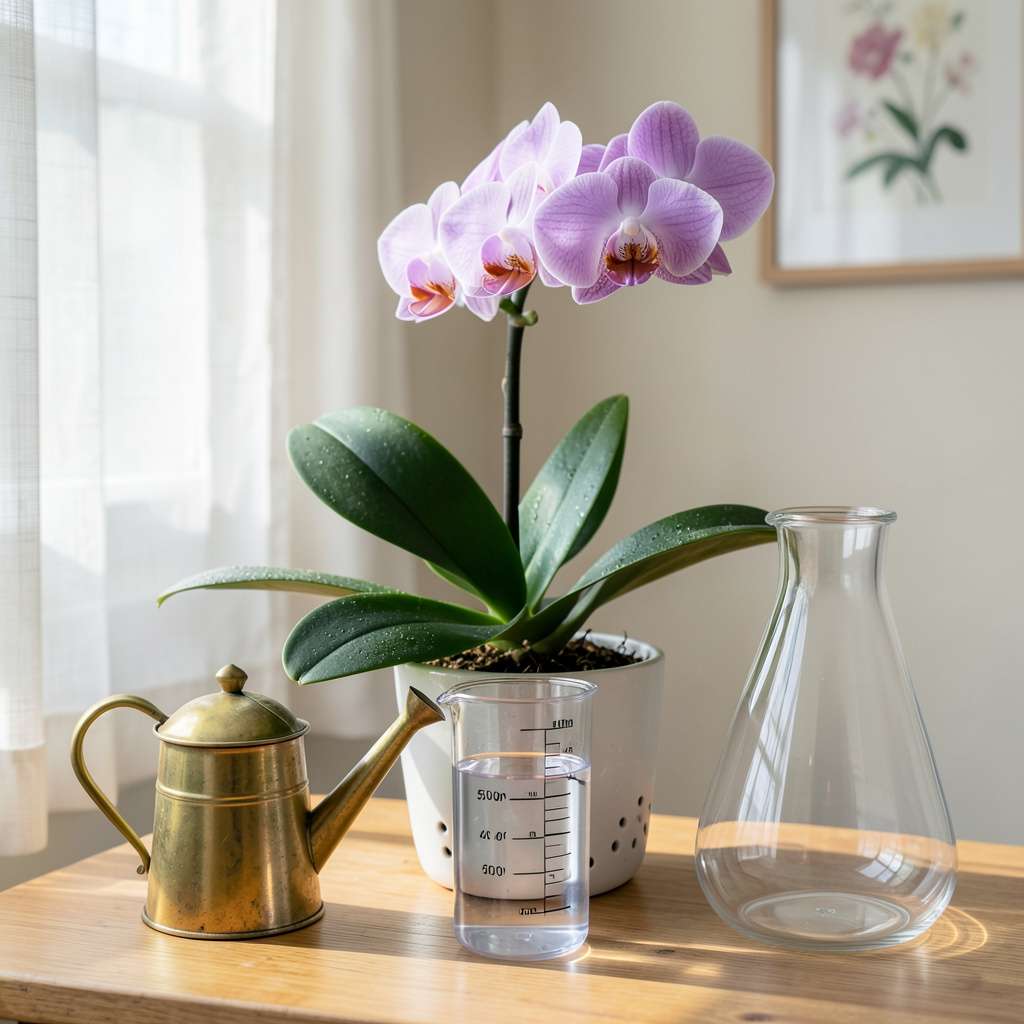
Fill the vase with 1-2 inches of water to keep orchid roots moist but avoid submerging them. Adjust based on orchid type and environment.
Maintaining the right water level is crucial for your orchids’ well-being. 🌱 Too much water can lead to root rot, while too little can prevent nutrient absorption. I often use clear vases to easily monitor the water level and adjust it as needed, especially during different seasons when humidity levels fluctuate.
Understanding the specific needs of various orchid types is key. For instance, some prefer a bit more moisture than others. By regularly checking the water and adapting to your environment, you can create a thriving habitat for your orchids. 🌼
💡 In This Article
The amount of water in a vase directly influences the health of orchids. Orchids absorb moisture through their roots, and keeping water levels between 1-2 inches ensures that the roots remain hydrated without being submerged. 🌱 This balance is vital because overly wet conditions can lead to root rot, a common issue for orchid enthusiasts.
When roots sit in water for too long, they become oxygen-starved, inhibiting nutrient uptake. Roots need both moisture and air to function optimally. For example, the Phalaenopsis orchid thrives in this moisture range, while other varieties like the Cattleya prefer slightly drier conditions. Understanding these preferences can help prevent issues related to overwatering. 💧
Orchid roots also have a unique structure that absorbs nutrients from the water. If the water level fluctuates significantly, it can lead to nutrient deficiency or toxicity. Regularly changing the water not only helps maintain clarity but also prevents any buildup of harmful substances that could arise from stagnant water. 🌼
It’s essential to note that environmental factors play a significant role in how much water your orchids require. Humidity levels, temperature, and airflow all affect how quickly water evaporates and how much moisture your orchids will need. For instance, during hotter months, you may need to refill your vase more frequently. 🌞
Additionally, using a clear vase can provide visual cues regarding water levels and root health. You can easily see if the roots appear healthy or if they are turning black and mushy—indicating that they’re sitting in too much water. A good rule of thumb is to inspect the roots every week and adjust accordingly. 🔍
