
Beautiful Plants For Your Interior
Beautiful Plants For Your Interior
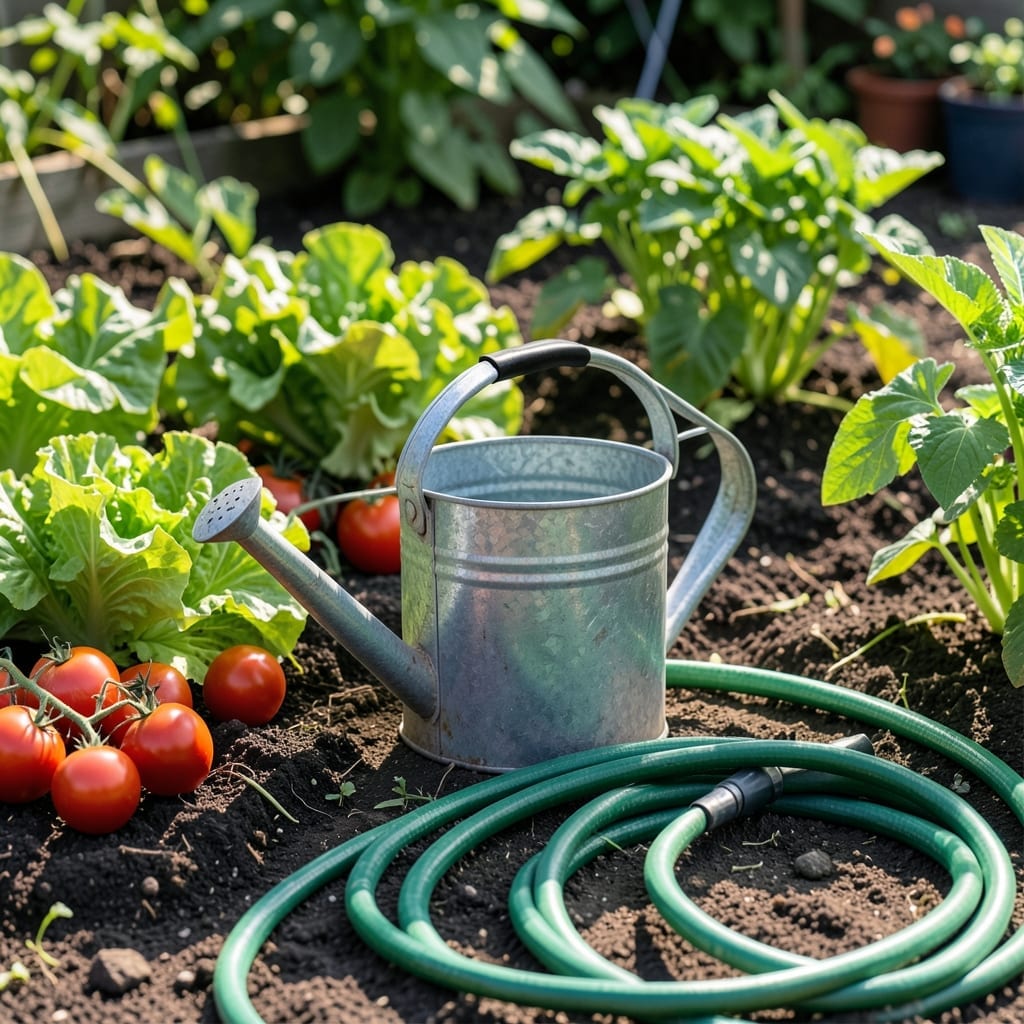
Overwatering or underwatering can make or break your 🌱 General Garden’s success. Getting the water balance right is the key to vibrant plants and bountiful harvests.
Whether you’re growing vegetables, flowers, or shrubs, each plant has unique needs. Factors like soil type, climate, and growth stage all play a role in determining your garden’s daily water requirements.
I’ve seen firsthand how proper watering transforms struggling plants into thriving ones. With the right approach, you’ll waste less water while achieving better results.
Let me walk you through the essentials of garden watering, so you can confidently nurture your plants through every season.
Getting the water amount right is the secret to thriving plants. Different garden types and growth stages demand unique approaches, from delicate seedlings to mature fruiting plants.
I’ve found that vegetable gardens often need 1-2 inches per week, while flower beds may require slightly less depending on species and soil conditions.
The soil type dramatically affects how much water your garden actually needs. Sandy soils drain quickly, often requiring more frequent watering, while clay soils hold moisture longer.
In my experience, loamy soil is ideal as it retains moisture well without becoming waterlogged. Adding organic matter can improve any soil’s water retention capabilities.
Climate plays a huge role too. In hot, dry regions, gardens may need daily watering, while in cooler, humid areas, 2-3 times weekly may suffice. Always check the top inch of soil before watering.
Newly planted gardens require more attention. I recommend daily watering for the first week, then gradually reducing frequency as roots establish. This helps prevent transplant shock.
For container gardens, water needs can be 20-30% higher than in-ground plants because pots dry out faster. Always ensure containers have drainage holes to prevent root rot.
Remember that morning watering is most effective. It allows foliage to dry during the day, reducing disease risk. I’ve seen evening watering lead to fungal issues in many gardens.
Finally, observe your plants. Drooping leaves in the morning often signal underwatering, while yellowing leaves might indicate overwatering. Your garden will tell you what it needs 🌱
I always adjust my watering schedule to match the seasonal changes. Spring showers often reduce my need to water, while summer heat demands more frequent soil moisture checks. It’s about working with nature, not against it.
In my experience, clay soil holds water longer than sandy soil, so I water less often but deeper. Temperature swings also matter—cool mornings mean less evaporation, while hot afternoons can dry out soil quickly.
I find that early morning watering works best in all seasons. It gives plants time to absorb moisture before the sun gets too strong. For potted plants, I check soil daily since they dry out faster.
During drought periods, I prioritize newly planted or thirsty plants like tomatoes and lettuce. Established plants can usually handle short dry spells better.
Mulching is my secret weapon for water conservation. A 2-3 inch layer of organic mulch keeps soil moist longer and reduces evaporation by up to 50%.
Remember, the finger test never fails—stick your finger 1-2 inches into the soil. If it feels dry, it’s time to water. This simple method has saved me from many overwatering mistakes. 🌿