
Beautiful Plants For Your Interior
Beautiful Plants For Your Interior
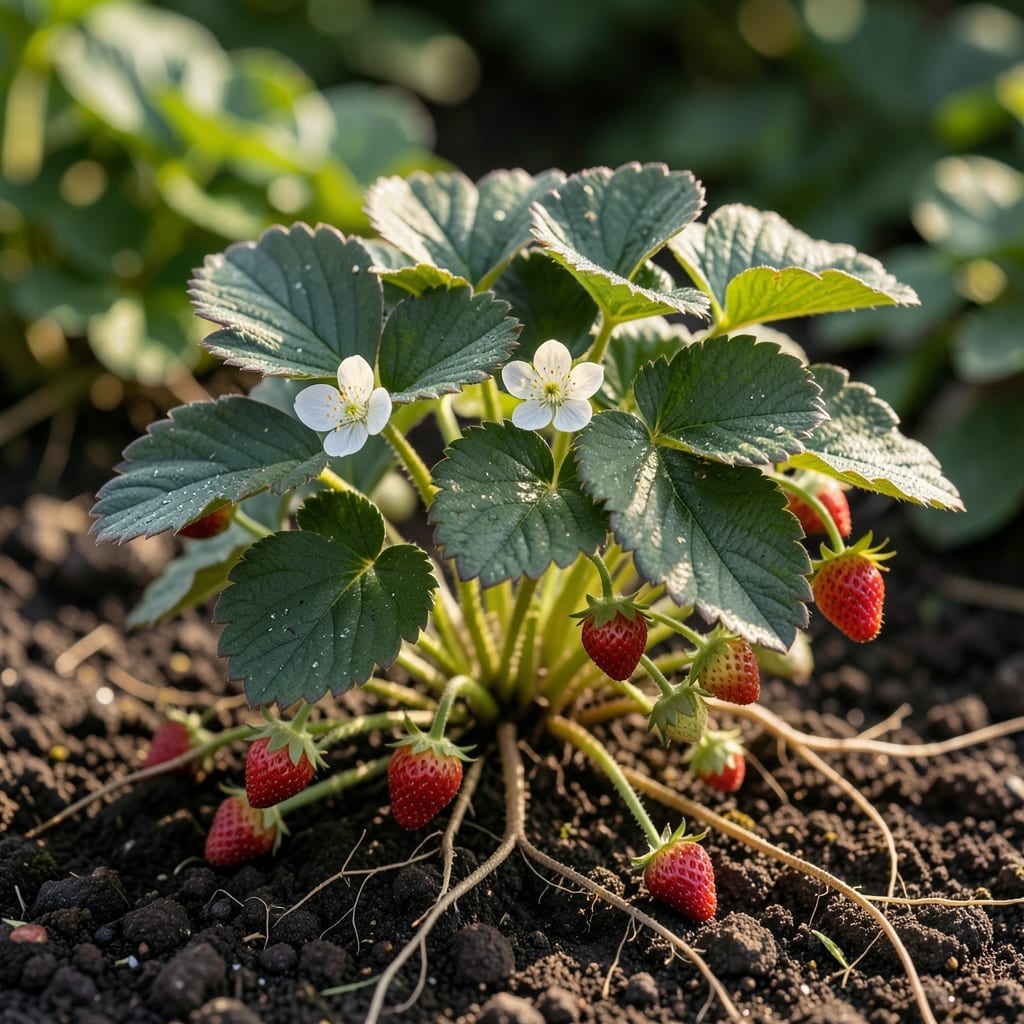
Sunlight is the key that turns lackluster strawberries into bursts of sweet, juicy perfection. But how much is just right for a bountiful 🍓 harvest?
I’ve learned that getting this balance wrong can mean the difference between puny, sour berries and plump, flavorful ones. It’s not just about quantity – timing and consistency matter just as much.
Discover the simple sunlight secrets that will transform your strawberry patch. Let me walk you through what works best for these delicious plants.

Strawberries are sun-worshippers that thrive with plenty of light. I’ve found that most varieties need 6-10 hours of direct sunlight daily to produce the sweetest, juiciest berries. This isn’t just a guideline—it’s the difference between a mediocre and a spectacular harvest.
Different strawberry types have slightly varying needs. June-bearing varieties often demand the most sun, while day-neutral types can tolerate a bit less. But in my experience, more sun almost always means better flavor and bigger yields.
| Variety | Daily Sun Requirement | Best For |
|---|---|---|
| June-bearing | 8-10 hours | Largest harvests |
| Everbearing | 6-8 hours | Multiple harvests |
| Day-neutral | 6-8 hours | Continuous fruiting |
The amount of sun also affects berry size and sweetness. In my garden, plants that get full sun produce berries that are noticeably larger and sweeter than those in partial shade. Sunlight helps the plant produce more sugars, which is what gives strawberries their delicious flavor.
If you’re growing in containers, aim for a sunny balcony or patio. I’ve had great success with south-facing windows for indoor strawberries, but they’ll still need supplemental light to truly thrive. Outdoors, a spot that gets morning sun is ideal, as it helps dry the leaves and prevents fungal diseases.
Remember that consistency matters. Strawberries prefer a steady amount of sunlight each day rather than fluctuating light conditions. If your garden has dappled shade, try to position your plants where they’ll get the most direct light possible.
In hotter climates, some afternoon shade can actually be beneficial. I’ve noticed that in my zone 7 garden, a little afternoon relief from the intense sun helps prevent scalding on the berries while still giving them enough light to ripen properly.
For the best results, I recommend testing different spots in your garden. Observe how the sun moves across your yard and choose a location that gets at least 6 hours of direct light. You’ll be rewarded with healthier plants and a more abundant harvest.
Don’t forget that young plants need sun too. When I first started growing strawberries, I made the mistake of keeping my seedlings in partial shade, which resulted in leggy, weak plants. Now I give them full sun from the start to establish strong growth.
☀️Finally, if you’re working with limited space, consider using reflective mulches or white containers to maximize the light your strawberries receive. These simple tricks can make a big difference in your harvest.
🌱Even with the best intentions, strawberries can struggle if they’re not getting enough light. In my experience, the first sign is often smaller berries that lack that deep, rich color we all love. These pale, undersized fruits are your plants’ way of saying they need more sunlight.
Another red flag I watch for is poor flowering. When strawberries don’t get enough sun, they’ll produce fewer blossoms, which directly translates to fewer berries. If your plants look healthy but aren’t setting much fruit, light deficiency might be the culprit.
Leggy plants stretching toward the light
Pale or yellowing leaves instead of vibrant green
Fewer runners and weak growth
Delayed ripening of berries
I’ve also noticed that leggy plants are a common symptom. When strawberries aren’t getting enough light, they’ll stretch upward, trying to reach for the sun. This results in weak, spindly growth that’s more susceptible to disease and poor fruit production.
If you see these signs, don’t panic. There are simple solutions. I’ve had great success moving container-grown strawberries to sunnier spots on my patio. Even a few extra hours of sunlight can make a noticeable difference in just a week or two.
For in-ground plants, consider thinning nearby foliage or using reflective mulches to bounce more light onto your strawberries. White plastic or aluminum foil can work in a pinch, but I prefer specialized horticultural films for a more natural look.
In my garden, I’ve found that morning sun is particularly beneficial. It helps dry the leaves quickly, reducing the risk of fungal diseases. If you can’t provide full sun all day, prioritize those morning hours for the best results.
☀️