
Beautiful Plants For Your Interior
Beautiful Plants For Your Interior
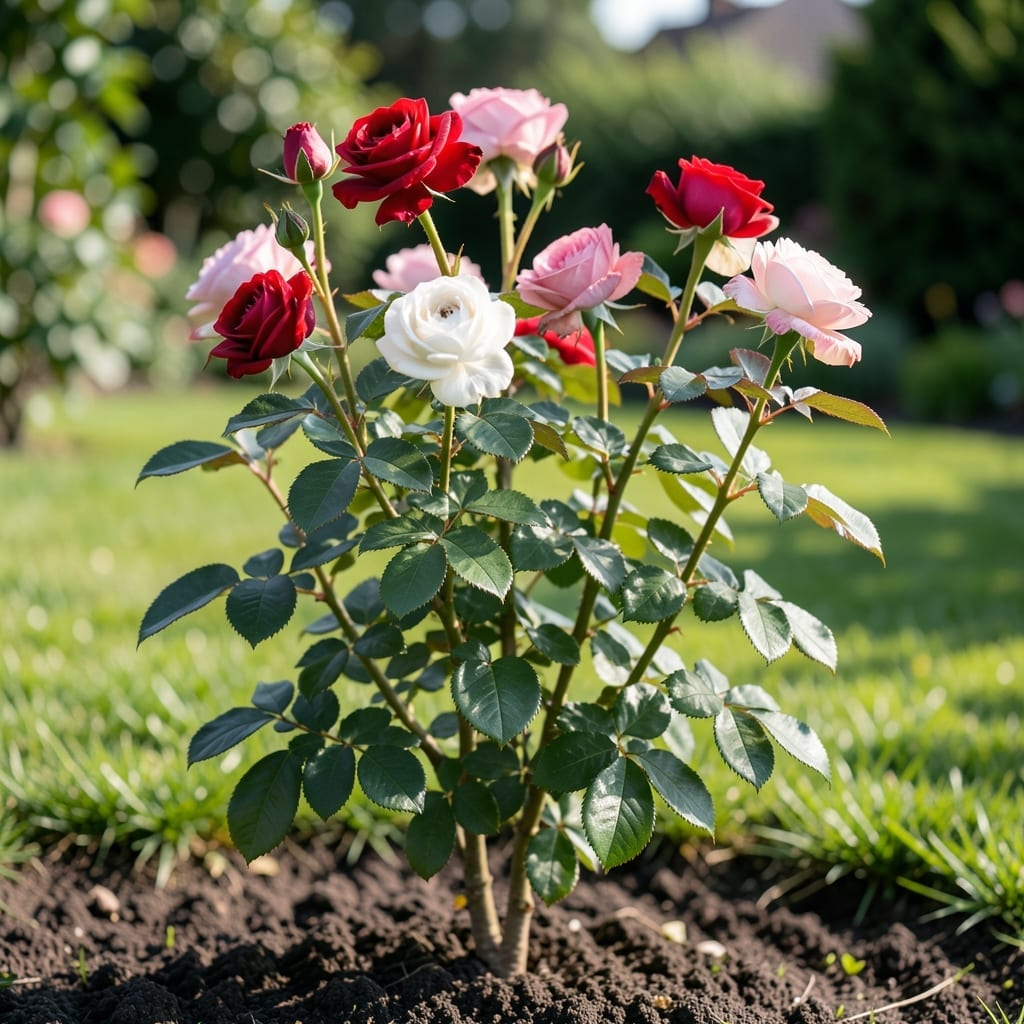
Roses are renowned for their beauty and fragrance, but their sun requirements often puzzle even seasoned gardeners. Getting the sunlight balance right is key to vibrant blooms and healthy plants.
The 🌹 Rose thrives with proper light exposure, yet too much or too little can stunt its growth. Whether you’re in zone 6 or elsewhere, understanding these needs makes all the difference.
I’ll break down exactly what your roses crave—from ideal daily sunlight to adjustments for less-than-perfect conditions. Let’s ensure your garden flourishes.

I’ve found that most roses thrive with 6-8 hours of direct sunlight daily, but the exact needs vary by type. Hybrid teas and grandifloras demand the most light for their large blooms.
Climbing roses also love full sun, though they can tolerate partial shade in hotter climates. I always check my garden’s sun patterns before planting.
| Rose Type | Sunlight Needs | Climate Adjustments |
| Hybrid Tea | 6-8 hours | Morning sun preferred |
| Climbing | 6-8 hours | Afternoon shade in desert |
| Shrub | 4-6 hours | Tolerates partial shade |
| Old Garden | 4-6 hours | Cooler climates OK |
| Miniature | 4-6 hours | Protect from harsh sun |
For shrub roses and old garden varieties, I’ve seen them flourish with just 4-6 hours of sun. These are more forgiving in shadier spots.
Miniature roses are another great option for partial shade, but I recommend protecting them from intense afternoon rays to prevent scorching.
In hotter zones, I adjust by planting roses where they get morning sun and afternoon shade. This prevents heat stress while still meeting their light needs.
For cooler climates, I maximize sun exposure by choosing south-facing spots. Even old garden roses benefit from extra warmth in these areas.
I’ve noticed that container roses need special attention. They often require more frequent watering and can be moved to follow the sun’s path.
Remember, sunlight quality matters as much as quantity. I always ensure my roses get bright, direct light rather than dappled shade.
If your garden has limited sun, consider disease-resistant varieties like Knock Out roses. They perform well with less light and still produce abundant blooms.
☀️I always watch my roses closely for sun stress signs. Leggy growth and fewer blooms often mean they’re not getting enough light. This is common in shady spots.
Yellowing leaves or pale flowers can also indicate insufficient sun. I’ve seen this happen when roses are planted under dense tree canopies.
Too much sun causes scorched leaves and wilting. Too little leads to weak stems and poor flowering. Adjust exposure immediately if you spot these signs.
On the other hand, leaf scorching with brown edges usually means too much direct sunlight, especially in hot climates. I’ve had to move potted roses to shadier spots during heatwaves.
Wilting in afternoon can signal heat stress. I check soil moisture and provide temporary shade if needed. Roses in containers are particularly vulnerable.
For color fading, I’ve noticed this happens when roses get intense afternoon sun. Morning sun is gentler and often better for vibrant blooms.
I also look for powdery mildew, which thrives in low-light, humid conditions. Improving air circulation and sunlight can prevent this common issue.
Remember, rose varieties respond differently. I monitor each plant individually and adjust care accordingly for the best results.
☀️