
Beautiful Plants For Your Interior
Beautiful Plants For Your Interior
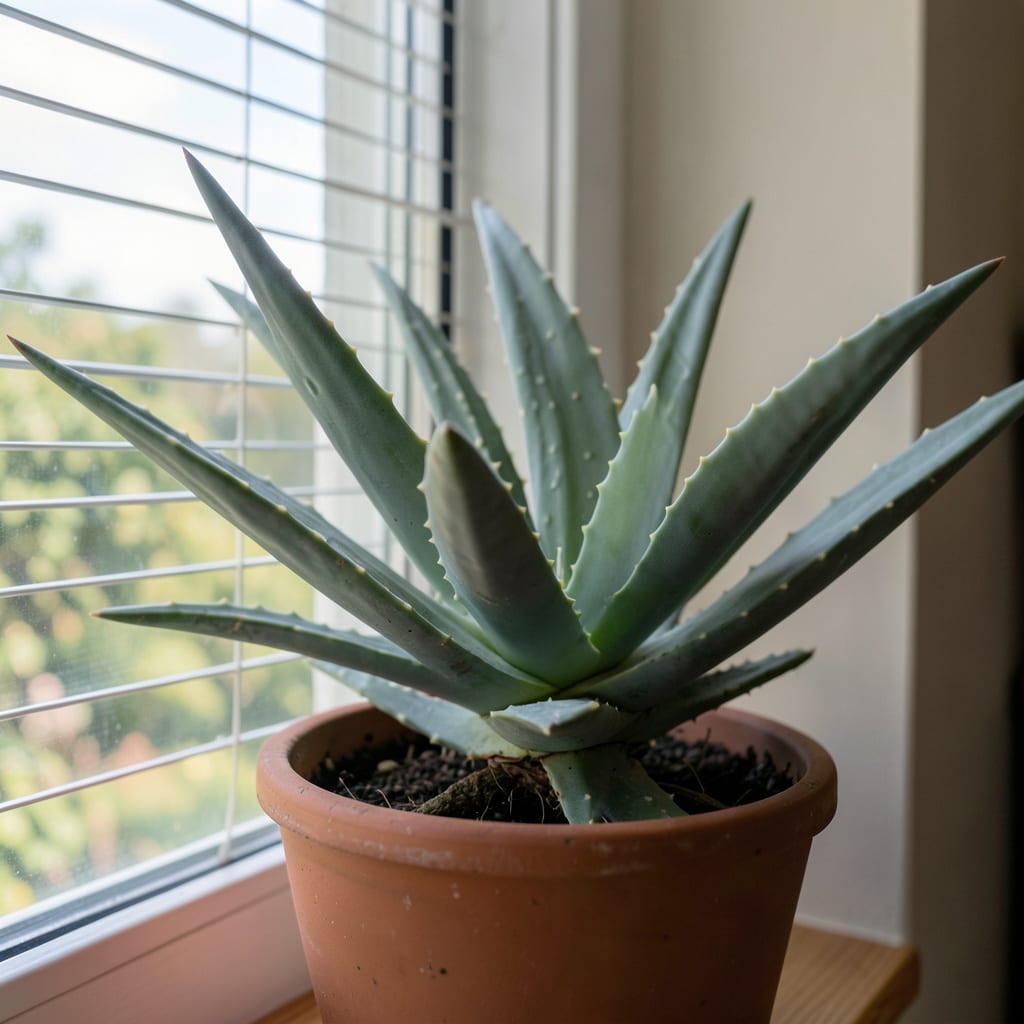
As I care for my Aloe 🌵 plant, I’ve learned that proper lighting is crucial for its health. Too little light, and it becomes weak; too much, and it gets scorched.
Finding the right balance is key – 4-6 hours of bright, indirect light is ideal. Let’s explore how to provide your Aloe with the perfect lighting conditions to thrive in your General location, particularly in USDA Zone 9b.


Aloe plants are succulents that thrive in bright, indirect light. Understanding their lighting needs is crucial for their health and growth. In their natural habitat, aloe plants are exposed to full sun, but they also receive shade, especially during the hottest part of the day 🌵.
The ideal lighting condition for aloe plants is bright indirect light for 4-6 hours a day. This can be achieved by placing them near a south-facing window with a sheer curtain to filter the direct sunlight. Direct sunlight can cause the leaves to become scorched, while too little light can lead to weak and stretched growth 🔥.
It’s essential to note that aloe plants can adapt to different lighting conditions, but optimal growth occurs within the recommended parameters. Too much direct sunlight can cause the leaves to become discolored or develop sunburn, while insufficient light can lead to etiolation, where the plant becomes leggy and weak 🔍.
Monitoring your aloe plant’s response to light is key. If the leaves are too crowded or the plant is stretching towards the light source, it may need more intense light or a different placement. Conversely, if the leaves show signs of sunburn, such as brown or yellow spots, the plant may be receiving too much direct sunlight 🌟.
Aloe plants can tolerate some variation in lighting, but consistency is beneficial. If you’re moving your aloe plant outdoors during warmer months, ensure it’s gradually acclimated to direct sunlight to prevent shock. Start with partial shade and gradually increase exposure over a week or two ☀️.
For indoor care, avoid placing aloe plants in low-light areas like basements or north-facing rooms without supplemental lighting. If you must place your aloe in a lower-light area, consider using grow lights to supplement the natural light. LED grow lights are a good option as they provide the necessary spectrum without generating excessive heat 💡.
Seasonal adjustments are also important. During winter months when days are shorter, your aloe plant may require less light. Conversely, during the growing season in spring and summer, ensure it receives the optimal amount of light to support its growth 🌿.
In summary, providing the right amount of light is crucial for the health and well-being of your aloe plant. By understanding and meeting its lighting requirements, you can enjoy a thriving and healthy plant for years to come 🌱.
To further optimize your aloe plant’s lighting, consider the specific conditions in your home or garden. Factors such as window orientation, time of year, and the presence of shading elements can all impact the amount of light your plant receives. By making informed decisions about your aloe plant’s placement, you can create an ideal environment for it to flourish 🌻.
To ensure your aloe plant thrives, it’s essential to provide the right amount of light. Aloe plants prefer bright indirect light for 4-6 hours a day. This can be achieved by placing them near a south-facing window with a sheer curtain to filter the direct sunlight 🌵.
When placing your aloe plant indoors, consider the window direction and time of day. A south-facing window is ideal, but be cautious of direct sunlight during peak hours. East- or west-facing windows are also suitable, providing gentle, indirect light 💡.
Rotate your aloe plant regularly to ensure even light distribution and prevent leaning.
If you plan to move your aloe plant outdoors, it’s crucial to acclimate it gradually to direct sunlight. Start with partial shade and gradually increase exposure over a week or two to prevent shock ☀️.
During the growing season in spring and summer, ensure your aloe plant receives the optimal amount of light. In contrast, during the winter months when days are shorter, your aloe plant may require less light 🌿.
Monitoring your aloe plant’s response to light is vital. If the leaves are too crowded or the plant is stretching towards the light source, it may need more intense light or a different placement. Conversely, if the leaves show signs of sunburn, such as brown or yellow spots, the plant may be receiving too much direct sunlight 🔍.
To further optimize your aloe plant’s lighting, consider using grow lights if you’re placing it in a lower-light area. LED grow lights are a good option as they provide the necessary spectrum without generating excessive heat 💡.
In summary, providing the right amount of light is crucial for the health and well-being of your aloe plant. By understanding and meeting its lighting requirements, you can enjoy a thriving and healthy plant for years to come 🌱.
By following these tips and being mindful of your aloe plant’s lighting needs, you can create an ideal environment for it to flourish 🌻.
Aloe plants are sensitive to lighting conditions, and improper light exposure can lead to various problems. Recognizing the signs of too much or too little light is crucial for maintaining a healthy plant 🌵.
One common mistake is exposing aloe plants to direct sunlight for extended periods. This can cause the leaves to become scorched, leading to brown or yellow spots. On the other hand, insufficient light can cause the plant to become leggy and weak, stretching towards the light source 🔍.
To fix common lighting mistakes, it’s essential to monitor your aloe plant’s response to light. Adjust the plant’s placement according to the season and its growth patterns. During the growing season in spring and summer, ensure it receives the optimal amount of light 🌿.
If you notice signs of too much or too little light, make adjustments accordingly. Consider using grow lights to supplement natural light, especially during the winter months when days are shorter 💡.
By being aware of the potential lighting mistakes and taking corrective actions, you can create an ideal environment for your aloe plant to thrive and enjoy its benefits for years to come 🌱.
Regularly inspecting your aloe plant and making necessary adjustments will help prevent common lighting issues and promote overall health 🌻.
Aloe plants prefer 4-6 hours of bright, indirect light daily. This duration supports healthy growth and prevents issues like leaf scorch or etiolation. Proper light exposure is crucial for maintaining the plant’s natural color and promoting robust root development.
While aloe plants can tolerate some direct sunlight, it’s best to provide bright indirect light. Direct sunlight can cause leaf scorch, especially during peak hours. Using a sheer curtain to filter the sunlight can help achieve the right balance.
Monitor your aloe plant’s response to light. If the leaves show brown or yellow spots, it may be receiving too much direct sunlight. Conversely, if the plant becomes leggy and weak, it may need more intense light or a different placement. Regular inspection helps prevent common lighting issues.
Yes, grow lights can supplement natural light during winter months when days are shorter. LED grow lights are a good option as they provide the necessary spectrum without generating excessive heat, helping maintain your aloe plant’s health during the dormant season.
