
Beautiful Plants For Your Interior
Beautiful Plants For Your Interior
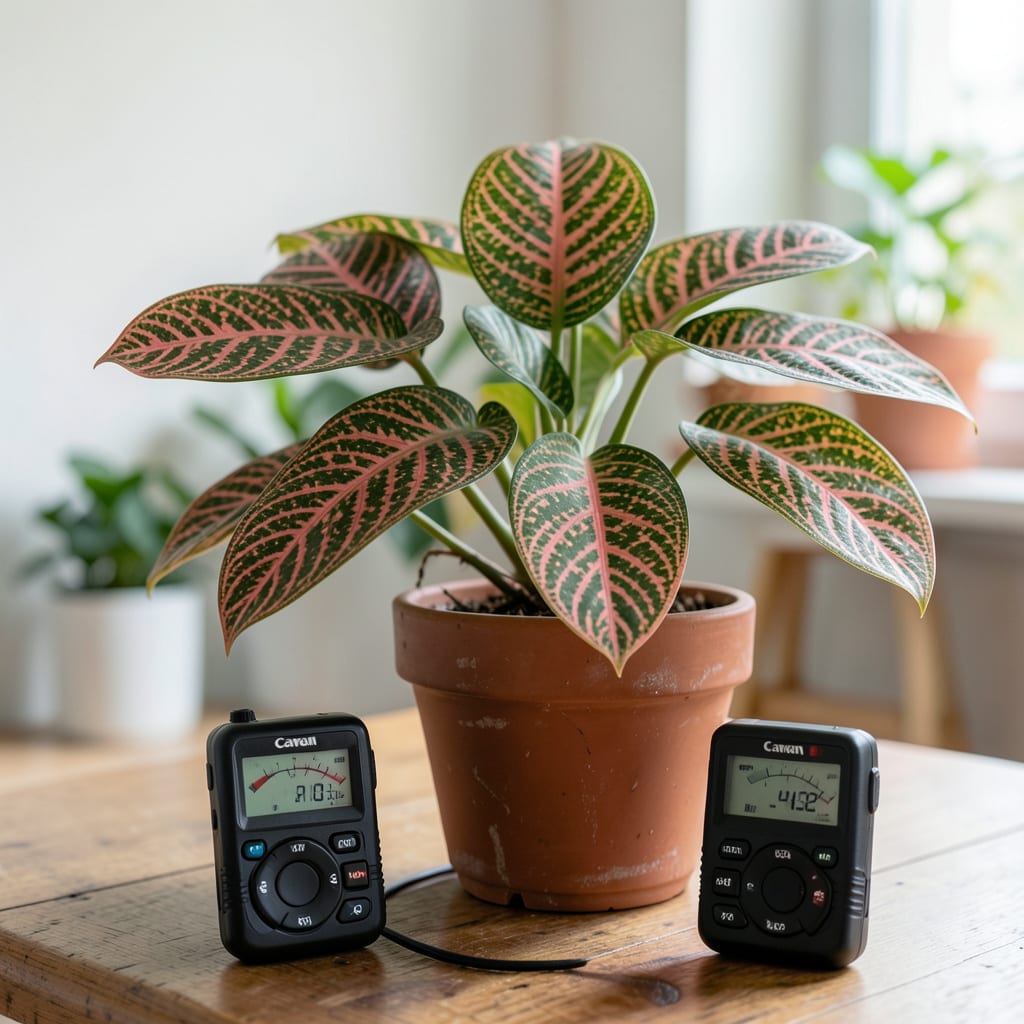
I’ve always been fascinated by the beautiful foliage of my Prayer Plant 🪴. To keep it thriving, understanding its lighting needs is crucial. Prayer Plants require bright indirect light to maintain their vibrant colors and unique leaf movements.
Let’s explore how to provide the right amount of light for your Prayer Plant, whether you’re placing it near an east or west-facing window or using artificial lighting. Proper lighting will help your plant flourish in any environment.

Prayer plants are known for their beautiful foliage and unique leaf movements, making them a popular choice for indoor gardening. To keep your Prayer Plant thriving, understanding its lighting needs is crucial. These plants require bright indirect light to maintain their vibrant colors and promote healthy growth 🌱.
The ideal lighting conditions for Prayer Plants involve 4-6 hours of bright, indirect light daily. This can be achieved by placing them near east or west-facing windows, where they receive gentle, filtered sunlight. Direct sunlight can cause leaf scorch, so it’s essential to avoid placing them in direct sunbeams.
Understanding the lighting needs of your Prayer Plant is the first step in providing the right conditions for it to thrive. By ensuring it receives the appropriate amount of bright, indirect light, you can enjoy its beautiful foliage and vibrant colors throughout the year.
Bright indirect light is essential for Prayer Plants as it promotes healthy growth and maintains their unique leaf movements. Without sufficient light, the plant may become leggy, and its colors may fade. On the other hand, too much direct sunlight can cause damage to the leaves, leading to scorched or discolored foliage.
To achieve the ideal lighting conditions, consider the natural light direction and intensity throughout the day. East and west-facing windows provide the best natural light for Prayer Plants, as they offer gentle, indirect sunlight for several hours. If you don’t have access to these windows, you can also use artificial lighting to supplement the natural light and ensure your plant receives the necessary illumination.
Prayer Plants are adaptable to various lighting conditions, but their growth and color intensity can vary based on the light they receive. In lower light conditions, the plant may still survive but might not display its full color potential or growth vigor. Conversely, in brighter conditions, the plant is likely to exhibit more vibrant colors and robust growth, making it a stunning addition to your indoor space 🌿.
It’s also worth noting that the lighting needs of Prayer Plants can change with the seasons. During the spring and summer months, when the plant is actively growing, it may benefit from slightly brighter light. In contrast, during the fall and winter months, when the plant’s growth slows down, it may tolerate lower light levels. Adjusting the lighting conditions according to the season can help ensure your Prayer Plant remains healthy and vibrant throughout the year.
By providing your Prayer Plant with the right amount of light, you’re not only enhancing its appearance but also supporting its overall health and well-being. Proper lighting, combined with other care practices like appropriate watering and fertilization, will help your Prayer Plant flourish and become a beautiful focal point in your home.
In summary, understanding and meeting the light requirements of your Prayer Plant is crucial for its health and vibrancy. By providing 4-6 hours of bright, indirect light daily and adjusting for seasonal changes, you can enjoy the beauty and unique characteristics of this remarkable plant. Whether you’re a seasoned plant enthusiast or a beginner, paying attention to your Prayer Plant’s lighting needs will reward you with a thriving and stunning indoor garden 🌸.
I’ve found that providing the right lighting for my Prayer Plant makes all the difference in its health and vibrancy. To give your plant the best chance to thrive, it’s essential to understand how to provide optimal lighting conditions. This involves more than just placing it near a window; it requires careful consideration of the light’s intensity and duration 🌞.
First, let’s talk about the importance of window orientation. East and west-facing windows are ideal for Prayer Plants because they provide gentle, indirect sunlight for several hours a day. This type of light is perfect for promoting healthy growth and maintaining the plant’s vibrant colors.
For optimal results, place your Prayer Plant near an east or west-facing window to provide it with the right amount of bright, indirect light. Avoid direct sunlight as it can cause leaf scorch 🔥.
If you don’t have access to an east or west-facing window, don’t worry! You can still provide your Prayer Plant with the light it needs using artificial lighting. LED grow lights are a great option as they provide the necessary spectrum and intensity for healthy plant growth.
When using artificial lighting,
In addition to the type and duration of light, it’s also important to consider the distance between the light source and your plant. Keep the light at a safe distance to avoid overheating or scorching the leaves. A general rule of thumb is to keep the light 6-12 inches away from the plant.
By providing your Prayer Plant with the right amount and type of light, you’ll be supporting its overall health and encouraging it to thrive. Remember, the key is to provide bright, indirect light for 4-6 hours daily, either naturally through window placement or artificially with grow lights 🌿.
In summary, providing optimal lighting for your Prayer Plant involves understanding its lighting needs, choosing the right window orientation, and using artificial lighting when necessary. By following these tips, you’ll be well on your way to creating a thriving and vibrant indoor garden that showcases the beauty of your Prayer Plant 🌸.
When caring for Prayer Plants, it’s essential to be aware of common lighting mistakes that can impact their health and vibrancy. One of the most significant errors is exposing them to direct sunlight, which can cause leaf scorch and damage 🌞.
Avoid placing your Prayer Plant in direct sunlight as it can cause leaf scorch and damage. Instead, opt for bright, indirect light for optimal health and growth 🔥.
Another mistake is not providing enough light, leading to leggy growth and faded colors. Prayer Plants need 4-6 hours of bright, indirect light daily to maintain their vibrant foliage and unique leaf movements.
To avoid these mistakes, it’s crucial to monitor your plant’s response to its lighting conditions. If you notice signs of overexposure, such as scorched or discolored leaves, adjust the plant’s position to receive more filtered light.
On the other hand, if your Prayer Plant is not receiving enough light, it may become leggy or exhibit slow growth. In such cases, consider supplementing with artificial lighting to provide the necessary illumination.
By being mindful of these common lighting mistakes and taking steps to avoid them, you can help your Prayer Plant thrive and enjoy its beautiful foliage and vibrant colors throughout the year 🌿.
In summary, avoiding common lighting mistakes is crucial for the health and vibrancy of your Prayer Plant. By providing the right amount and type of light, you can support its overall well-being and create a stunning indoor garden 🌸.
Prayer Plants require 4-6 hours of bright, indirect light daily for optimal growth and color retention. This can be achieved by placing them near east or west-facing windows. Proper lighting helps maintain their vibrant foliage and unique leaf movements .
Yes, you can use artificial lighting for your Prayer Plant if natural light is insufficient. LED grow lights are a great option as they provide the necessary spectrum and intensity for healthy plant growth. Keep the light 6-12 inches away from the plant to avoid overheating .
If your Prayer Plant is getting too much light, you may notice scorched or discolored leaves. On the other hand, if it’s not getting enough light, it may become leggy or exhibit slow growth. Adjust the plant’s position or supplement with artificial lighting as needed to achieve optimal lighting conditions .
Yes, the lighting needs of Prayer Plants can vary with the seasons. During spring and summer, they may benefit from slightly brighter light, while during fall and winter, they can tolerate lower light levels. Adjusting the lighting conditions according to the season can help keep your Prayer Plant healthy and vibrant throughout the year .
