
Beautiful Plants For Your Interior
Beautiful Plants For Your Interior
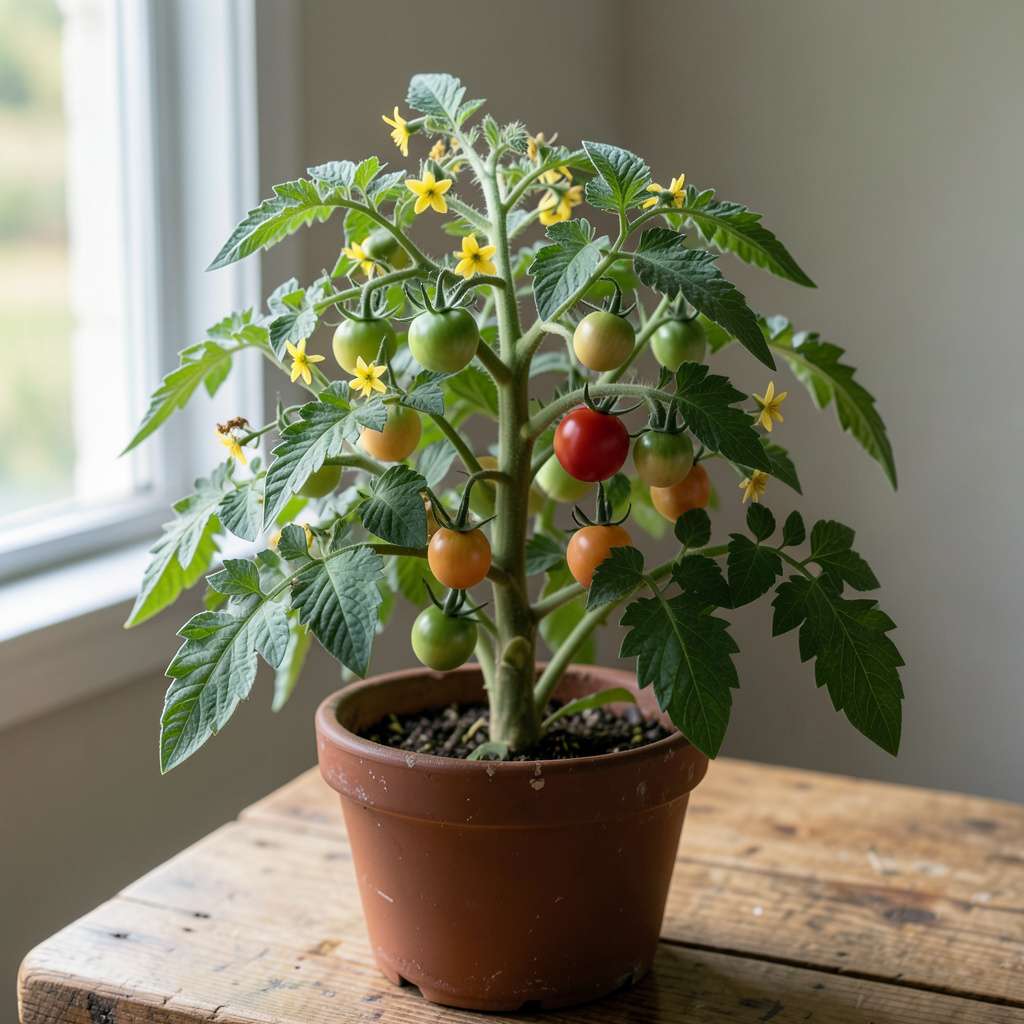
In a 10×10 room (100 sq ft), you can grow 16-25 medium plants (3-5 sq ft each) or up to 100 small plants (1 sq ft each). Yield depends on lighting, plant type, and spacing for airflow and maintenance.
This isn’t just about cramming in as many plants as possible—it’s about creating an environment where each one thrives. 🌱 I’ve seen growers make the mistake of overcrowding, only to struggle with mold, poor airflow, and stunted growth. The key is balancing your plant selection with your lighting system’s coverage area. For example, LED grow lights with full-spectrum capabilities can support denser arrangements than traditional HPS bulbs, while training techniques like low-stress training (LST) help maximize vertical space.
Remember that maintenance access matters too. Leaving at least 18-24 inches between rows ensures you can comfortably prune, inspect, and harvest without damaging plants. This becomes especially critical with larger varieties that may need trellising or support structures as they mature. ✨
💡 In This Article
The magic number of plants you can fit isn’t just about floor space—it’s about how you harness every cubic foot of your grow room. Light penetration is the game-changer here. A 1000W LED might effectively cover 6×6 feet for flowering, while a 600W HPS would need 5×5 feet to avoid edge burn.
The light’s footprint dictates your plant arrangement more than the room’s dimensions do. 💡
Plant physiology plays a huge role too. Bushy indicas might only need 2-3 sq ft each, while stretching sativas can demand 5-7 sq ft when untrained. I’ve seen growers pack 64 small autoflowering plants in the same space where others struggle with 9 monster-cropped photoperiods.
Training techniques like topping or LST (Low-Stress Training) can reduce that footprint by 30-40% by creating horizontal canopies instead of vertical spikes.
Environmental controls create invisible boundaries. Without proper CO2 enrichment (1200-1500 ppm) and humidity control (40-70% RH), you’ll need wider spacing for airflow. I learned this the hard way when my first SOG attempt with 49 plants developed powdery mildew because the center plants had no air circulation.
Now I always leave 12-18 inches between plant edges and walls for fans to work their magic. 🌬️
The often-overlooked factor is your own workflow. A 10×10 room with 25 plants might sound manageable until you’re trying to defoliate week 3 of flower. I recommend the “arm’s length rule“—never place plants where you can’t comfortably reach the center from all sides.
This might mean sacrificing 4-6 plants for two 18-inch aisles, but you’ll save hours in maintenance and prevent accidental damage.
Your growing medium changes the equation too. Hydroponic systems like DWC (Deep Water Culture) allow tighter spacing since roots grow downward in buckets rather than outward in soil. I’ve fit 36 plants in hydro where I’d only manage 20 in soil beds. The tradeoff?
Hydro requires daily monitoring of pH and EC levels, while soil gives you more forgiveness between waterings. ⚖️
Here’s what most beginners miss: the 1:1 light-to-plant ratio myth. You don’t need one light per plant—you need sufficient PPFD (Photosynthetic Photon Flux Density) across your entire canopy.
A well-placed 800W LED can flower 16 medium plants beautifully if positioned 18-24 inches above the canopy, while the same light over 32 small plants would leave them stretching for more intensity.
The final wildcard is your strain selection. Some modern hybrids like Gorilla Glue #4 or Girl Scout Cookies naturally grow bushier and need more space than older landrace sativas.
I keep a journal tracking each strain’s node spacing and internodal length—this data lets me predict exactly how much vertical and horizontal space they’ll occupy at maturity. 📔
Pro tip: Use reflective Mylar on walls to increase light efficiency by 10-15%, effectively giving you more “usable” light per watt. This can be the difference between fitting 20 plants versus 24 in the same space without upgrading your lighting system.
The reflection also helps maintain even temperatures by distributing heat more uniformly throughout the room.
For small plants like autoflowers, maintain 12-inch spacing between each. Medium plants thrive with 3×3 foot spacing, while large bushy varieties need 4×4 feet apart. This ensures proper airflow and light penetration.
Yes, but strategically place taller plants toward the back and shorter ones near the door. Use training techniques like LST to maintain an even canopy. This prevents shading and maximizes light distribution.
A 1000W LED covers about 6×6 feet effectively, while a 600W HPS needs 5×5 feet. The light’s footprint determines your plant arrangement more than room size alone.
Overcrowding is the most common error. Always leave 18-24 inches between rows for maintenance access. Sacrificing a few plants for walkways prevents damage and improves airflow.
Hydro systems like DWC let you fit 36 plants where soil might only handle 20. Roots grow downward in buckets, saving horizontal space.
