
Beautiful Plants For Your Interior
Beautiful Plants For Your Interior
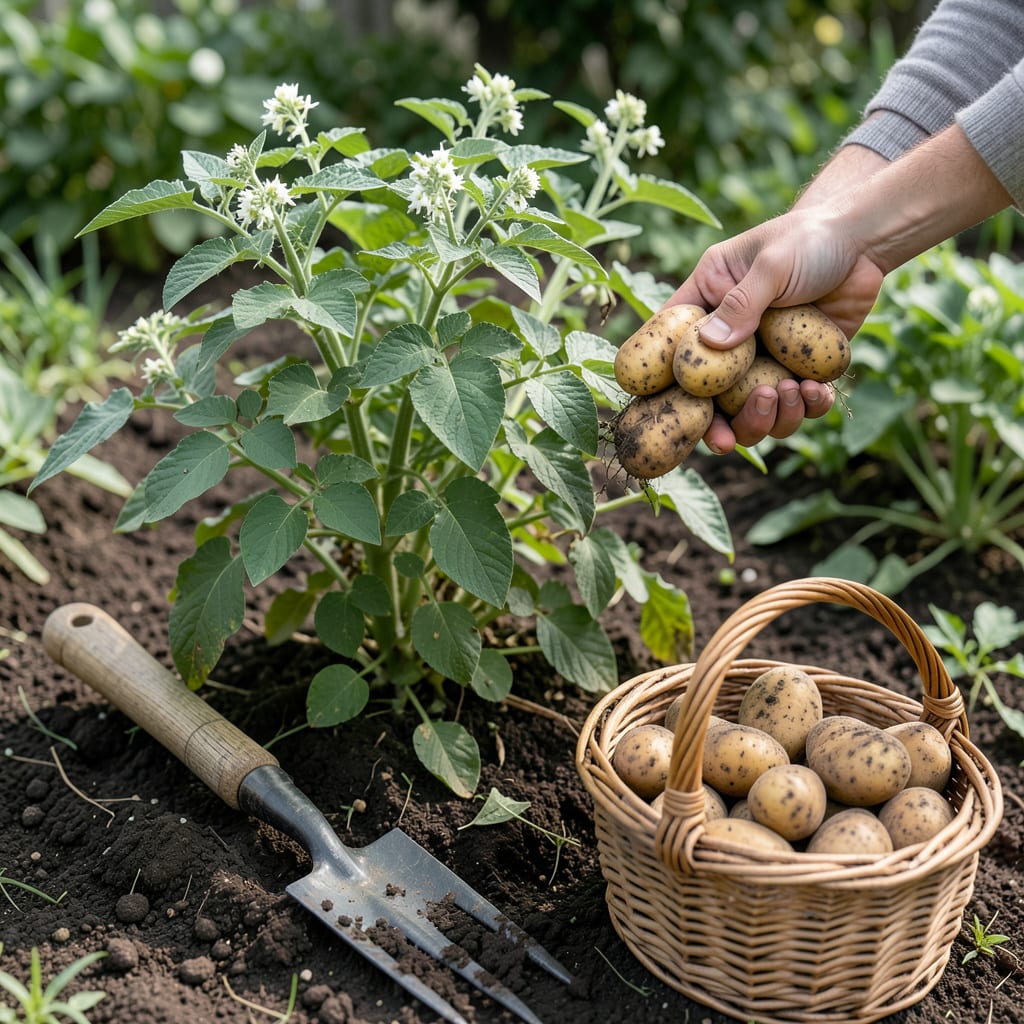
Waiting for your 🥔 Potato crop to mature can feel like forever when you’re eager to enjoy the fruits of your labor. The timing isn’t one-size-fits-all—it depends on what you planted and how you’ve cared for it.
From early varieties ready in 60 days to late types that need 120 days, I’ll help you spot the sure signs your spuds are ready to come out of the ground. Let’s dig into what to watch for.


If you’re wondering how long until potatoes are ready, the answer varies by type. Early varieties like Yukon Gold or Red Norland can be harvested in as few as 60-70 days. These are perfect for new potatoes.
Mid-season potatoes, such as Kennebec or Purple Viking, typically need 80-100 days to reach maturity. They offer a balance between early and late harvests.
| Variety Type | Days to Maturity | Best For |
|---|---|---|
| Early | 60-70 days | New potatoes, quick harvest |
| Mid-season | 80-100 days | Storage, versatile use |
| Late | 110-120 days | Long storage, baking |
Late varieties, including Russet or Sweet Potatoes, take the longest, often 110-120 days. These are ideal if you want potatoes that store well through winter.
For new potatoes, you can gently dig around the plant after 2-3 weeks of flowering. These tender, small spuds are a delight straight from the garden.
Mature potatoes are ready when the foliage turns yellow and starts to die back. This signals that the plant has finished growing and is redirecting energy to the tubers.
Another sign is the skin set. When the skin doesn’t scratch off easily with your fingernail, it’s a good indicator that the potatoes are mature and ready for harvest.
I always check the size of the tubers too. 2-5 inches in diameter is typical for mature potatoes, depending on the variety. Smaller than this, they might need more time.
Don’t forget that growing conditions play a role. Cool temperatures and consistent moisture can speed up growth, while drought or heat may delay it.
If you planted in early spring, you can expect to harvest early varieties by late June. Mid-season types will be ready by July or August, and late varieties by September or October.
Remember, the best way to confirm is to dig a test hill. Gently brush away soil near the base of a plant to check the size and skin condition of a few tubers. If they look ready, it’s time to harvest the rest! 🌱
Timing your potato harvest perfectly ensures the best flavor and storage life. While the days to maturity give a general guide, I rely on these visual cues to know my spuds are ready.
First, watch for yellowing foliage. When the leaves turn yellow and begin to wilt or die back, it’s a clear signal the plant is done growing and the tubers are maturing.
🌱 5 Visual Signs Your Potatoes Are Ready
The appearance of flowers is another key indicator. Most potato varieties flower about 2-3 weeks before the tubers are ready. Once the flowers fade, check for other signs of maturity.
Next, test the skin set. Gently rub a tuber with your thumb. If the skin stays intact, it’s ready. If it scratches off easily, the potatoes need more time in the soil.
Size matters too. Mature potatoes are typically 2-5 inches in diameter. If you’re harvesting new potatoes, they’ll be smaller, but still firm when gently squeezed.
Finally, the plant’s top growth will collapse completely when potatoes are fully mature. This is nature’s way of telling you it’s time to dig. I always do a test dig on one plant to confirm before harvesting the whole crop.
Remember, early varieties may show these signs 60-70 days after planting, while late varieties can take up to 120 days. Keep an eye on your plants and they’ll tell you when it’s time! 🌿
Harvesting potatoes at the wrong time can ruin your hard-earned crop. One of the biggest mistakes is digging too early. If the foliage is still green, the tubers are still growing.
Another common error is waiting too long. If you leave mature potatoes in the ground after the foliage dies back, they can rot or become vulnerable to pests.
⚠️ Avoid These Potato Harvest Mistakes
Harvesting before skin sets can lead to bruising and poor storage.
Using a shovel instead of a fork may slice through tubers.
Harvesting wet soil makes potatoes prone to rot.
I always use a garden fork to gently lift the potatoes from the soil. This reduces the risk of piercing or cutting the tubers, which can lead to spoilage.
Timing matters too. Harvest on a dry day when the soil is not waterlogged. Wet conditions make digging difficult and increase the risk of disease or rot during storage.
Finally, avoid exposing potatoes to sunlight for too long after digging. Green skin indicates the presence of solanine, a toxin that can make potatoes bitter and unsafe to eat. I cure my potatoes in a dark, well-ventilated area for 1-2 weeks before storing them. ☀️
Early varieties like Yukon Gold can be ready in as little as 60-70 days. For baby new potatoes, you can gently harvest some after 2-3 weeks of flowering.
Watch for yellowing foliage and dying back of the plant. When the tops collapse and the skin resists scratching, they’re likely ready. A test dig on one plant confirms it.
Yes, leaving mature potatoes in wet soil can cause rotting. Once the foliage dies back, harvest within 1-2 weeks for best storage. Avoid exposing tubers to sunlight to prevent greening.
Cool temperatures and consistent moisture speed up growth, while drought or heat may delay it. Ideal conditions can shave 5-10 days off the typical maturity time.
