
Beautiful Plants For Your Interior
Beautiful Plants For Your Interior
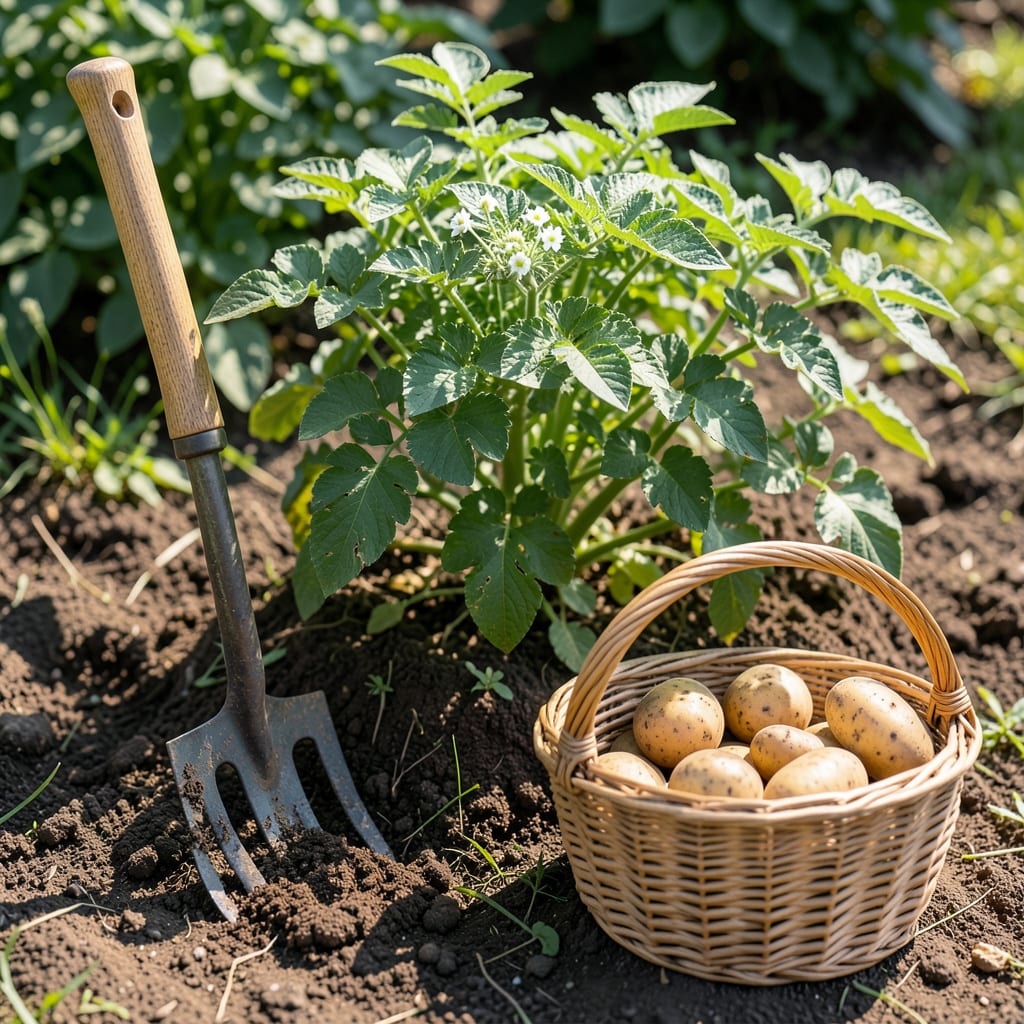
Growing your own 🥔 Potato crop is exciting, but timing can make or break your harvest. Get it right, and you’ll enjoy fresh spuds straight from your garden.
From planting in spring to digging up mature tubers, I’ll walk you through the entire journey. Let’s explore what to expect and how to time it perfectly for the best results.

If you’re new to growing potatoes, understanding the full growth cycle is key. From the moment you plant seed potatoes to harvest day, each stage plays a crucial role in tuber development and yield.
I’ve broken down the entire potato growth timeline so you know exactly what to expect. This way, you can plan, monitor, and adjust care for the best possible harvest from your garden beds or containers.
| Stage | Duration | Key Events |
|---|---|---|
| Sprouting | 7-14 days | Seed potatoes develop shoots above soil |
| Vegetative Growth | 3-4 weeks | Plants grow leaves and stems rapidly |
| Flowering | 2-3 weeks | Buds appear, signaling tuber formation below |
| Tuber Bulking | 4-6 weeks | Potatoes enlarge as plants focus energy underground |
| Maturity | 2-3 weeks | Tops yellow and die back, skin thickens |
The sprouting stage begins as soon as your seed potatoes are planted in well-draining soil. Keep the soil moist but not soggy to encourage strong shoot development above the surface.
During vegetative growth, your potato plants will grow quickly, producing lush green foliage. This is when they need full sun and consistent watering to build a strong framework for tuber production.
When you see flowers appear, it’s a sign that tubers are forming underground. This is a critical phase—make sure your plants have enough phosphorus-rich fertilizer to support tuber development.
The tuber bulking stage is when your potatoes grow in size. At this point, I recommend hilling soil around the stems to protect tubers from sunlight and prevent greening.
Finally, as the plants reach maturity, the tops will begin to yellow and die back. This is your signal that harvest time is near. The skin of the potatoes will also thicken, making them ready for storage.
From start to finish, most potato varieties take about 90-120 days to mature, though early varieties can be ready in as little as 60 days. Always check your specific variety for the best harvest window.
Not all potato varieties follow the same timeline. The type you choose directly impacts how long you’ll wait from planting to harvest. Early varieties are perfect for quick harvests, while late types store well for winter use.
I’ve found that matching the variety to your growing season and needs makes a huge difference. Whether you want new potatoes in 60 days or storage spuds in 120 days, there’s a perfect fit for every gardener.
| Variety | Days to Maturity | Best Use |
|---|---|---|
| Early | 60-80 days | New potatoes, quick harvest |
| Mid-Season | 80-100 days | Boiling, all-purpose |
| Late | 100-120 days | Baking, storage |
Early varieties like Yukon Gold or Red Norland are ready in about 60-80 days. These are ideal for gardeners who want a fast turnaround or live in areas with short growing seasons. 🌱
Mid-season potatoes, such as Kennebec, typically need 80-100 days. They’re versatile and great for boiling, mashing, or roasting straight from your garden.
Late varieties like Russet or Fingerling take the longest, often 100-120 days. These are your best bet for long-term storage and hearty baking potatoes. ✂️
For the best results, always check the seed packet for the exact days to maturity. And remember, cool soil and consistent moisture help all varieties reach their full potential. 🌿
Not all potato varieties follow the same schedule. The time from planting to harvest depends on whether you’ve chosen early, mid-season, or late varieties. Each type has its own ideal window for digging up those tasty tubers.
I’ve found that matching the variety to your growing season ensures the best results. Early potatoes are perfect for quick harvests, while late varieties reward your patience with larger yields and better storage potential.
| Variety | Days to Maturity | Harvest Signs |
|---|---|---|
| Early | 60-80 days | Flowers appear, small tubers |
| Mid-Season | 80-100 days | Tops yellow, medium-sized spuds |
| Late | 100-120 days | Tops die back, large tubers |
Early varieties like Yukon Gold or Red Norland are ready in about 60-80 days. These are great for gardeners eager to enjoy their first harvest of the season or for areas with shorter growing windows.
Mid-season potatoes, such as Kennebec, typically take 80-100 days to mature. They strike a balance between quick harvests and larger yields, making them a popular choice for many home gardeners.
Late varieties, including Russets, can take up to 120 days but produce the largest tubers. These are ideal for storage and for gardeners who don’t mind waiting a bit longer for a more bountiful harvest. 🌱
Yes, you can dig up “new potatoes” 2-3 weeks after plants flower. These will be small with thin skins but incredibly tender and flavorful. Just be gentle to avoid damaging the plant for continued growth.
Cool weather (60-70°F) speeds up tuber formation, while heat (85°F+) can slow growth. Consistent moisture is key—drought stress may cause knobby or cracked potatoes.
Overmature potatoes may crack, rot, or sprout new shoots. In warm climates, they can also become tough or develop diseases. Harvest within 2 weeks of tops dying back for best quality.
Container-grown potatoes mature slightly faster due to warmer soil. Use a 5-gallon pot per plant and check for readiness at 60-70 days.
