
Beautiful Plants For Your Interior
Beautiful Plants For Your Interior
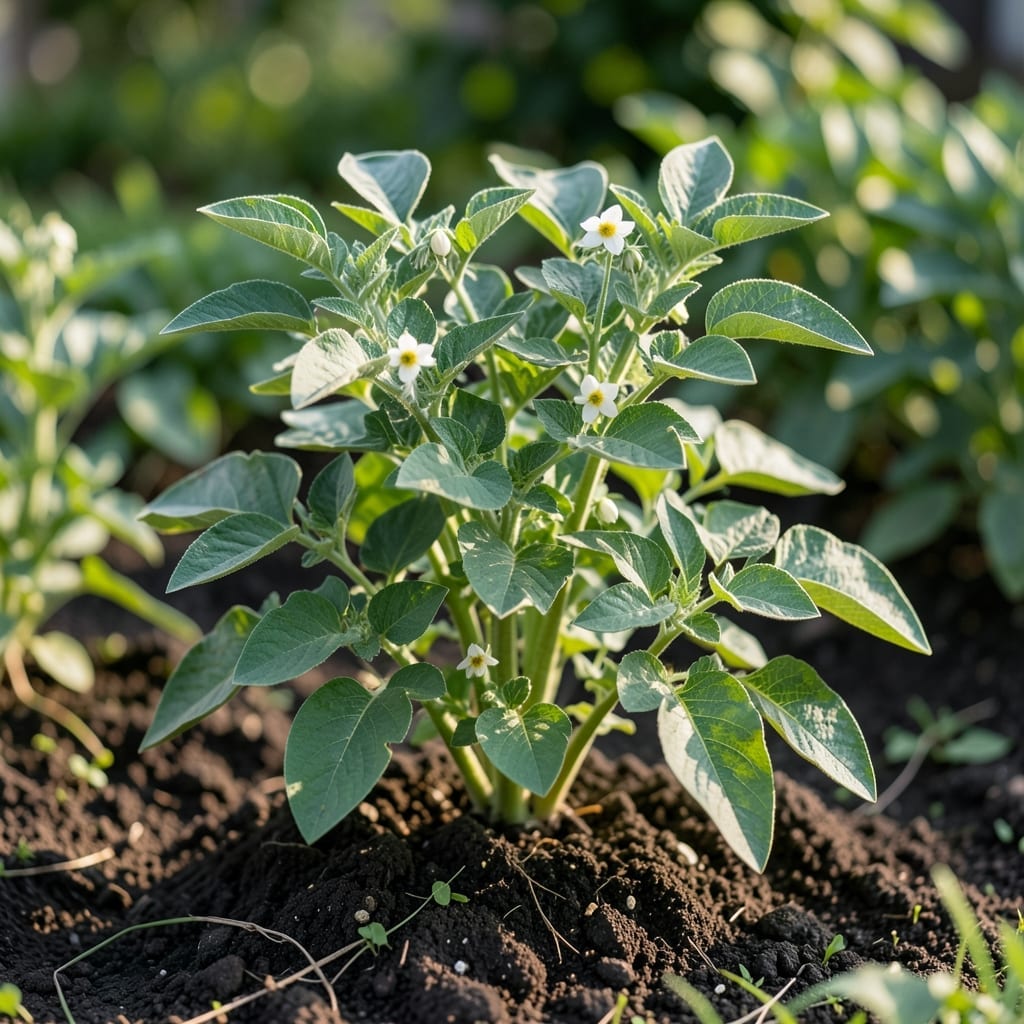
Knowing exactly how long 🥔 Potatoes take to mature can make or break your harvest. Plant too early or late, and you might end up with small, underdeveloped spuds.
Different varieties have unique timelines, and understanding these is the key to a successful crop. Whether you’re growing early, mid, or late-season Potatoes, timing is everything.
I’ll walk you through the typical maturation periods and the factors that influence them. Let’s discover how to get your harvest timing just right.


When I first started growing potatoes, I quickly learned that not all varieties mature at the same rate. Early-season types can be ready in as little as 60 days, while late-season varieties may take up to 150 days. This variation is crucial for planning your planting schedule.
Understanding these timelines helps me maximize my garden’s productivity. Early varieties are perfect for quick harvests, while late-season potatoes often yield larger tubers. Climate and soil conditions also play significant roles in determining the exact maturation period.
| Variety Type | Days to Maturity | Example Varieties | Key Traits |
|---|---|---|---|
| Early Season | 60-90 days | Yukon Gold, Red Norland | Quick harvest, smaller tubers |
| Mid Season | 90-120 days | Kennebec, Purple Majesty | Balanced yield, versatile use |
| Late Season | 120-150 days | Russet Burbank, Fingerling | Largest tubers, storage types |
In my experience, early-season potatoes like Yukon Gold are ideal for gardeners eager to taste their harvest. These varieties typically produce smaller tubers but make up for it with their quick turnaround. I often plant these in early spring for a summer harvest.
Mid-season potatoes such as Kennebec strike a great balance. They take a bit longer but offer larger yields and better storage potential. I find these perfect for a main crop that can be stored for winter use.
For those with patience, late-season varieties like Russet Burbank reward with the largest tubers. These need a longer growing season but are worth the wait for their excellent storage qualities and baking potential.
I’ve noticed that soil temperature greatly affects maturation. Potatoes prefer cool soil (around 60°F) for optimal growth. Planting in soil that’s too cold can delay sprouting, while overly warm soil may cause stress.
Watering consistently is another key factor. I
Lastly, I always consider my local frost dates. In my zone 6a garden, I plant early varieties in March and late varieties in April. This staggering ensures I have potatoes maturing throughout the growing season.
By matching varieties to my climate and carefully timing my plantings, I’ve been able to enjoy a steady supply of homegrown potatoes from early summer through fall.
Remember that these are general guidelines. Your specific maturation times may vary based on local conditions, so keep an eye on your plants’ progress.
Timing your potato harvest perfectly ensures the best flavor and storage potential. I’ve found that watching for specific visual cues is far more reliable than just counting days on a calendar.
In my garden, the first sign I look for is flowering. Most potato varieties will bloom about 2-3 weeks before their tubers are ready. This is nature’s way of signaling that the plants are shifting energy from foliage to tuber development.
The skin test is my go-to method for confirmation. When I gently rub a tuber with my thumb, a mature potato’s skin won’t scrape off easily. This skin toughening happens as the plant nears the end of its life cycle.
I always check the foliage condition too. When the tops begin to yellow and die back, it’s a clear indication that the tubers have reached their full size. For late varieties, I wait until the foliage has completely died before harvesting.
Weather conditions play a crucial role in my harvest timing. I make it a point to dig up my potatoes before the first frost in fall. Frost can damage the tubers, especially if they’re near the surface.
For new potatoes, I’ll gently dig around the plants about 2-3 weeks after flowering begins. These young tubers are tender and perfect for immediate use, though their skins haven’t set yet for storage.
Remember that early varieties may show these signs sooner than late ones. I keep notes each year to track how different varieties perform in my specific garden conditions.