
Beautiful Plants For Your Interior
Beautiful Plants For Your Interior
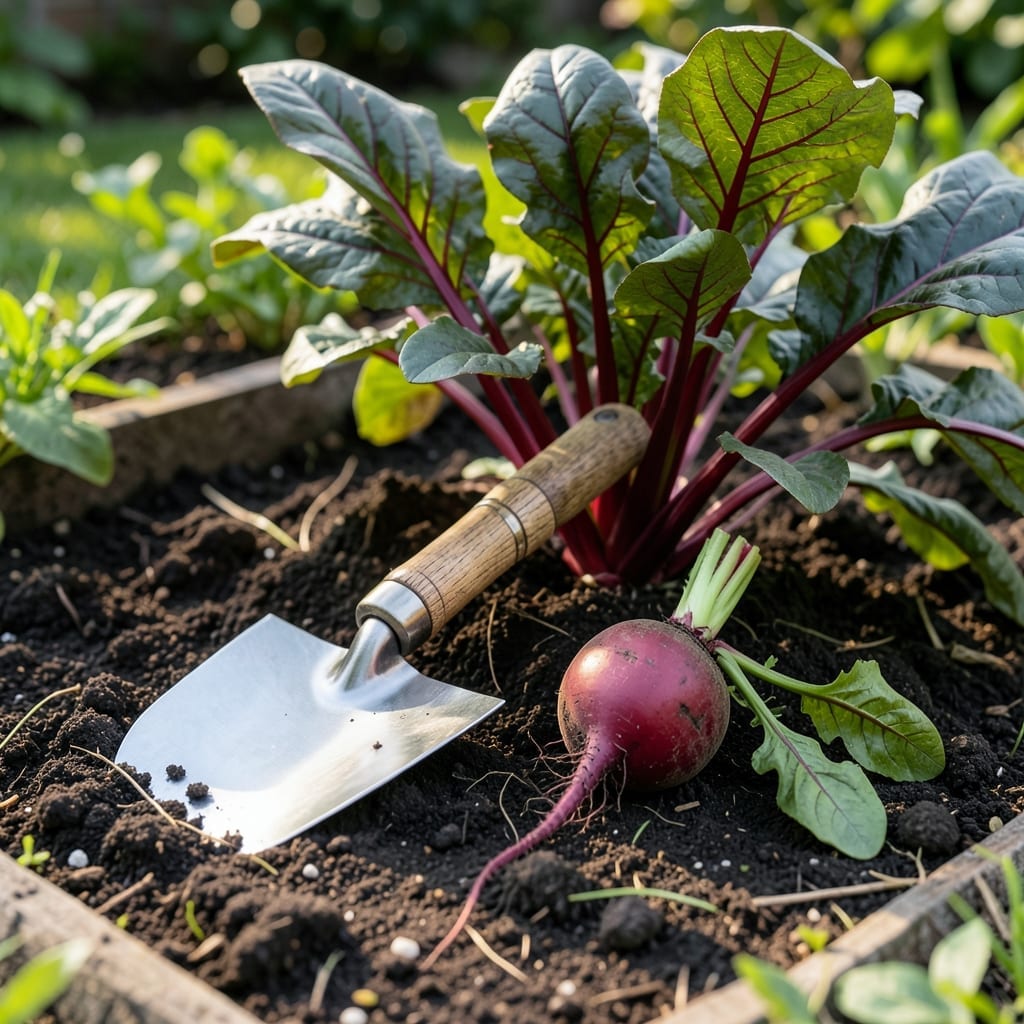
Beets are one of the most rewarding vegetables to grow in your garden, offering both sweet roots and nutritious greens in a relatively short time. 🥬
Whether you’re a beginner or seasoned gardener, knowing the exact timeline from seed to harvest helps you plan and maximize your crop.
I’ll walk you through the typical growth duration, including key factors that can speed up or slow down your Beets’ progress. Let’s get started.


Growing beets is a satisfying experience for any gardener, as these vibrant root vegetables progress quickly from seed to harvest. The typical timeline varies, but most varieties reach maturity in 50 to 70 days under ideal conditions.
Understanding each growth stage helps you provide the best care. From germination to root formation, beets develop rapidly with consistent moisture and sunlight. Let’s break it down step by step. 🌱
| Growth Stage | Duration | Key Details |
|---|---|---|
| Germination | 5-10 days | Seeds sprout with moist soil and 60-70°F temps |
| Seedling | 2-3 weeks | First true leaves appear; thin to 3-4 inches apart |
| Leaf Growth | 3-4 weeks | Greens expand as roots begin forming underground |
| Root Development | 4-6 weeks | Beets grow to 1-3 inches in diameter |
| Maturity | 8-10 weeks | Ready for harvest; sweet flavor peaks at this stage |
Beets thrive in loose, well-draining soil with a pH between 6.0 and 7.0. If your soil is heavy or clay-like, amending it with compost will improve root development and speed up growth.
Temperature plays a huge role in growth speed. Cool weather (60-65°F) is ideal for beets, but they can tolerate light frosts. If temperatures rise above 75°F, growth may slow, and roots can become tough or woody.
Consistent watering is critical, especially during dry spells. Aim for 1 inch of water per week, keeping the soil evenly moist but not soggy. Overwatering can lead to rot or cracked roots. 🌿
For the fastest growth, choose early varieties like ‘Early Wonder’ or ‘Detroit Dark Red,’ which mature in as little as 50 days. These are perfect for gardeners eager to see quick results.
If you’re growing beets for their greens as well as roots, you can start harvesting the leaves when they’re 4-6 inches tall. Just be sure to leave a few leaves on each plant to support root growth.
To check if your beets are ready, gently brush away the soil around the shoulders of the roots. If they’re 1-3 inches in diameter, they’re likely ready to harvest. Smaller beets tend to be more tender and sweet.
Harvesting in the morning when the soil is cool can help preserve the beets’ sweetness and crisp texture. Use a garden fork to loosen the soil around the roots before pulling them up to avoid damage. ✂️
The growth speed of beets isn’t set in stone—it depends on several key factors. I’ve found that variety selection makes a huge difference, as some types mature in 50 days while others take up to 70 days. 🌱
Soil quality also plays a major role. Beets grow fastest in loose, well-draining soil with a pH between 6.0 and 7.0. Heavy or compacted soil can stunt root development and slow growth significantly.
Sunlight exposure is another critical factor. Beets need at least 6 hours of direct sun daily, but they’ll grow even faster with 8+ hours. In shadier spots, expect slower growth and smaller roots.
Watering practices can accelerate or hinder growth. I recommend 1 inch of water per week, applied consistently. Drought stress causes woody, bitter roots, while overwatering leads to rot or cracking. ☀️
For the quickest harvest, I always plant early varieties like ‘Early Wonder’ or ‘Detroit Dark Red.’ These mature in about 50-55 days and are perfect for gardeners eager for fast results.
Finally, climate conditions impact growth speed. In cooler climates, beets grow steadily, while in hotter areas, they may bolt or develop tough roots. Planting in early spring or late summer often yields the best results.
By controlling these factors, I’ve consistently harvested sweet, tender beets in as little as 7 weeks. Try experimenting with different varieties and conditions to see what works best in your garden! 🌿