
Beautiful Plants For Your Interior
Beautiful Plants For Your Interior
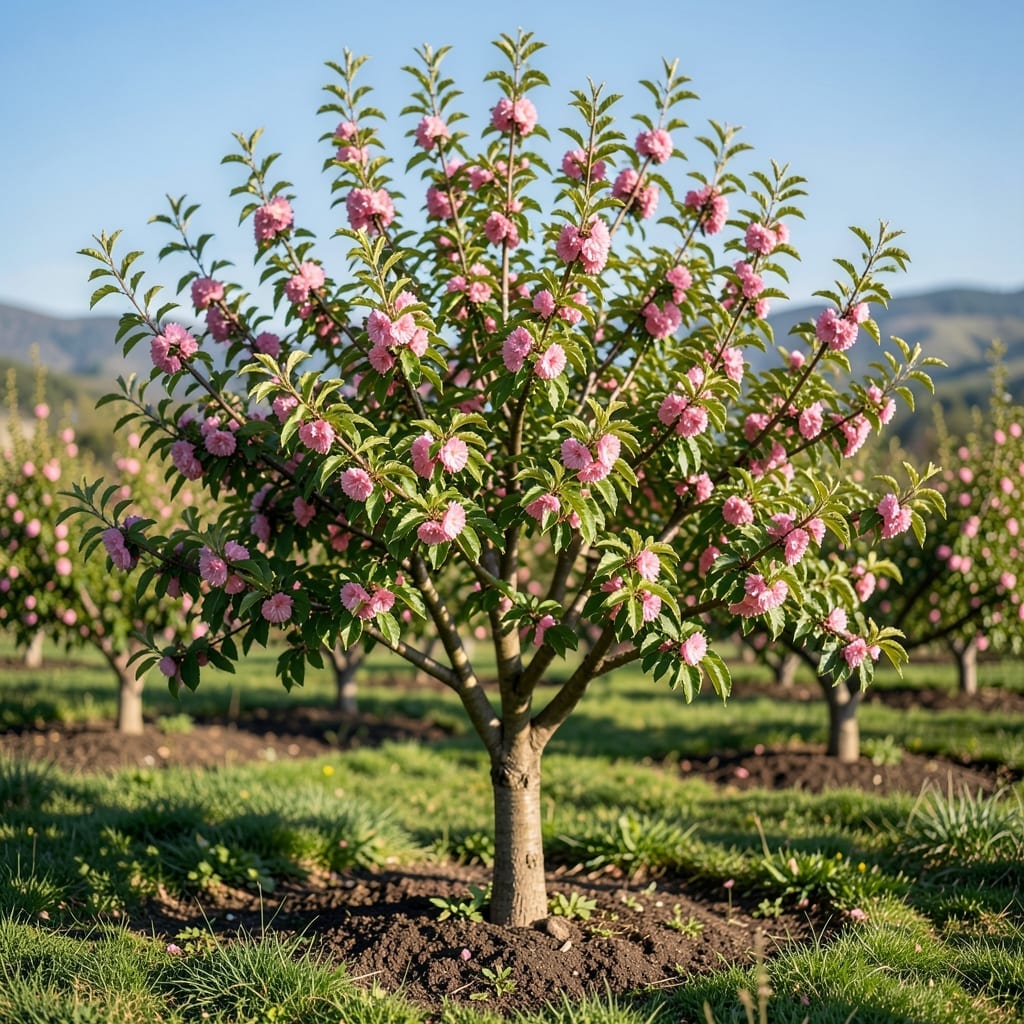
Patience is key when growing a 🍑 Peach Tree, as the wait for that first juicy harvest can feel endless. Many gardeners plant with high hopes, only to wonder why their tree isn’t producing fruit yet.
Understanding the realistic timeline helps set proper expectations. While some trees bear fruit in 2-4 years, others may take longer depending on variety and care.
I’ll walk you through what to expect and how to encourage healthier, earlier fruiting. Let’s make that first peach harvest worth the wait.
When I first planted my peach trees, I was surprised to learn that fruit production doesn’t happen overnight. Most gardeners don’t realize the timeline varies significantly by tree type and growing conditions.
The wait is part of the process, but knowing what to expect makes it easier. Dwarf varieties often bear fruit sooner than standard trees, and even then, factors like rootstock and climate play a role. 🌱
| Tree Type | Fruit Production Timeline | Key Factors |
|---|---|---|
| Dwarf | 2-4 years | Faster maturity, ideal for small spaces |
| Semi-Dwarf | 3-5 years | Balanced size, moderate growth rate |
| Standard | 4-6 years | Full-size tree, needs more space |
I’ve found that dwarf peach trees are the quickest to bear fruit, often producing in as little as 2 years under ideal conditions. Their compact size means they focus energy on fruit development sooner rather than height.
For semi-dwarf varieties, expect to wait a bit longer—typically 3 to 5 years. These trees strike a balance between manageable size and fruit yield, making them popular among home gardeners.
Standard peach trees take the longest, often 4 to 6 years before bearing fruit. They grow taller and require more space, but the payoff is a larger harvest once they mature. ✂️
Another key factor is whether your tree is grafted or seed-grown. Grafted trees, which combine a rootstock with a fruiting variety, often bear fruit sooner—sometimes in as little as 2 years.
Seed-grown trees, on the other hand, can take 5 to 7 years or more to produce fruit. This is because they grow from scratch, without the head start that grafting provides.
Climate also plays a major role. In warmer zones like USDA 7-9, peach trees may mature faster due to a longer growing season. Cooler climates can delay fruiting, as the tree focuses on survival rather than fruit production.
I always recommend checking your local frost dates and ensuring your tree gets full sun—at least 6 hours daily—to encourage timely fruiting. Proper pruning and fertilizing can also help your tree reach maturity faster. 🌿
From my experience, the timeline for your peach tree to bear fruit isn’t set in stone. Several key factors can either accelerate or delay that first harvest, and understanding them helps you take control. 🌱
I’ve seen gardeners unknowingly extend their wait by overlooking simple care adjustments. The good news is, with the right approach, you can often encourage earlier fruiting and healthier yields.
Starting with soil quality, I always recommend testing your soil before planting. Peach trees thrive in slightly acidic to neutral soil with a pH between 6.0 and 7.0. Amending with compost improves fertility.
Sunlight exposure is non-negotiable. Without full sun, your tree will struggle to produce fruit. If your yard has shaded areas, consider planting in containers that can be moved to sunnier spots.
When it comes to watering, consistency is key. Deep watering once or twice a week is better than frequent shallow watering. This encourages strong root development, which supports fruiting.
Don’t underestimate the power of proper pruning. I prune my peach trees in late winter to remove dead or crowded branches. This improves airflow and directs energy toward fruit production rather than unnecessary growth. ✂️