
Beautiful Plants For Your Interior
Beautiful Plants For Your Interior
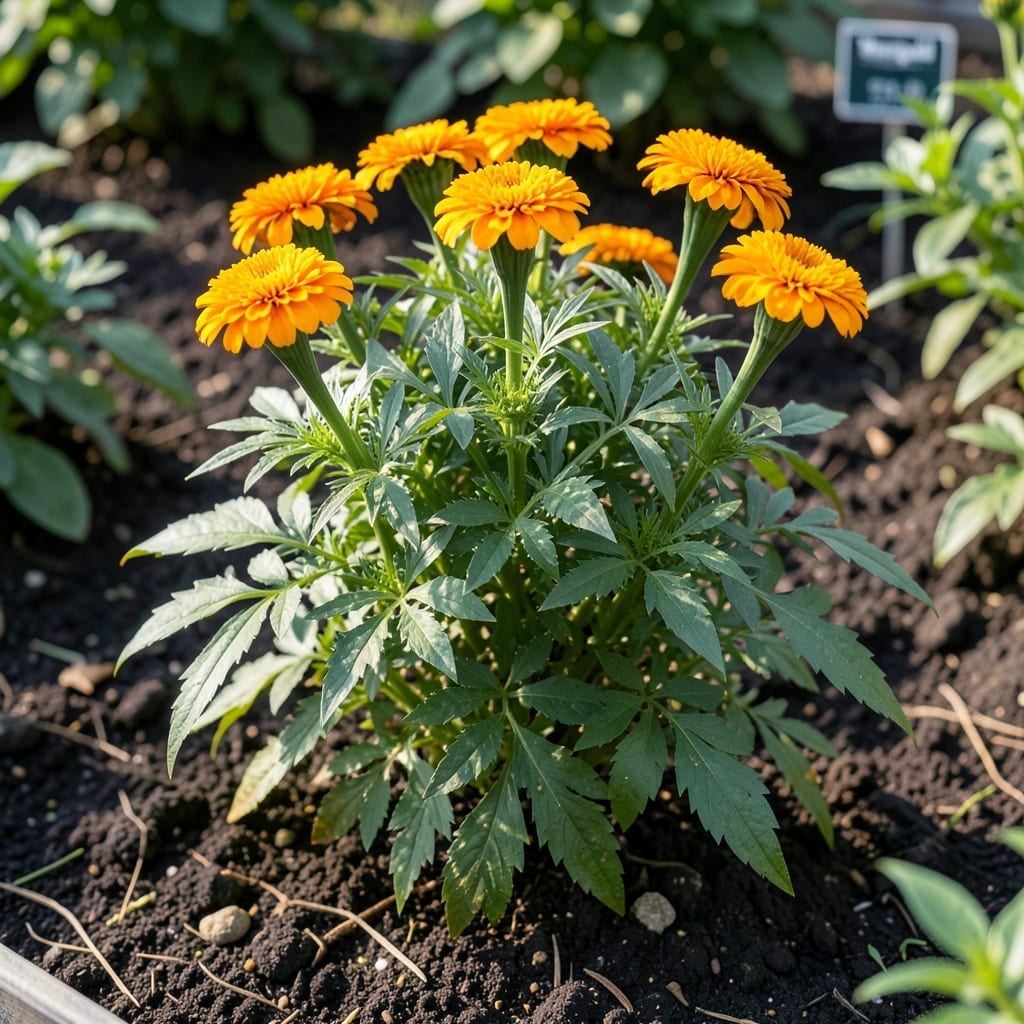
Watching 🌼 Marigold burst into vibrant orange and yellow blooms is one of gardening’s simplest joys. But knowing when to expect those first flowers can help you plan perfectly.
Whether you’re starting from seeds indoors or sowing directly in the garden, the timeline varies by method and variety. I’ll break down what affects your Marigold blooming schedule.
Discover how to time your planting for those cheerful flowers and what factors might speed up or delay the process. Let’s get started.
If you’re wondering how long it takes for marigolds to bloom, the answer depends on your starting point. From seed, most varieties take 45 to 90 days to produce their first vibrant flowers.
French marigolds, the most common type, typically bloom in about 50-60 days under ideal conditions. African marigolds may take slightly longer, often 70-90 days from seed to flower.
| Marigold Type | Days to Bloom | Key Notes |
|---|---|---|
| French Marigold | 50-60 days | Quickest to flower |
| African Marigold | 70-90 days | Larger blooms, longer wait |
| Signet Marigold | 45-60 days | Edible, fine foliage |
Starting seeds indoors can give you a head start. I recommend sowing 6-8 weeks before the last frost to enjoy earlier blooms. Transplanting outdoors after frost danger passes helps marigolds establish quickly.
Direct-sown marigolds in warm soil may take 70-80 days to bloom, as they need time to germinate and grow. Keep the soil consistently moist but not soggy during this period.
Temperature matters—marigolds thrive in warm soil (70-75°F). Cooler conditions slow germination and growth, potentially adding 2-3 weeks to your timeline.
Light exposure is another key factor. Marigolds need full sun (6+ hours daily) for optimal blooming. Shady spots can delay flowering and reduce the number of blooms.
If you want continuous color, consider succession planting. Sow new seeds every 2-3 weeks for a steady supply of fresh marigold blooms throughout the growing season.
Remember that container-grown marigolds might bloom slightly faster than those in the ground, as pots warm up quicker in spring. Just ensure your containers have good drainage to prevent waterlogging.
By understanding these growth factors, you can better predict when your marigolds will burst into color. With proper care, you’ll be rewarded with cheerful blooms from early summer until frost 🌼
If you’re eager to see marigold blooms sooner, I’ve got some proven tricks to accelerate the process. With the right care, you can shave 1-2 weeks off the typical timeline.
Start with quality seeds from a reputable supplier, as older seeds may germinate slower. Soaking seeds in lukewarm water for 12-24 hours before planting can speed up germination.
For outdoor planting, choose a sunny location with at least 6-8 hours of direct light. Marigolds in shady spots grow leggy and bloom later, if at all.
Improve your soil by mixing in compost or aged manure before planting. Rich, well-draining soil helps marigolds establish strong root systems quickly, leading to faster blooms.
I also recommend deadheading spent flowers regularly. This encourages the plant to produce more blooms rather than focusing on seed production, extending your flowering season 🌼
Lastly, avoid over-fertilizing with nitrogen, which promotes leafy growth at the expense of flowers. A balanced fertilizer applied every 4-6 weeks is all your marigolds need to thrive and bloom abundantly.