
Beautiful Plants For Your Interior
Beautiful Plants For Your Interior
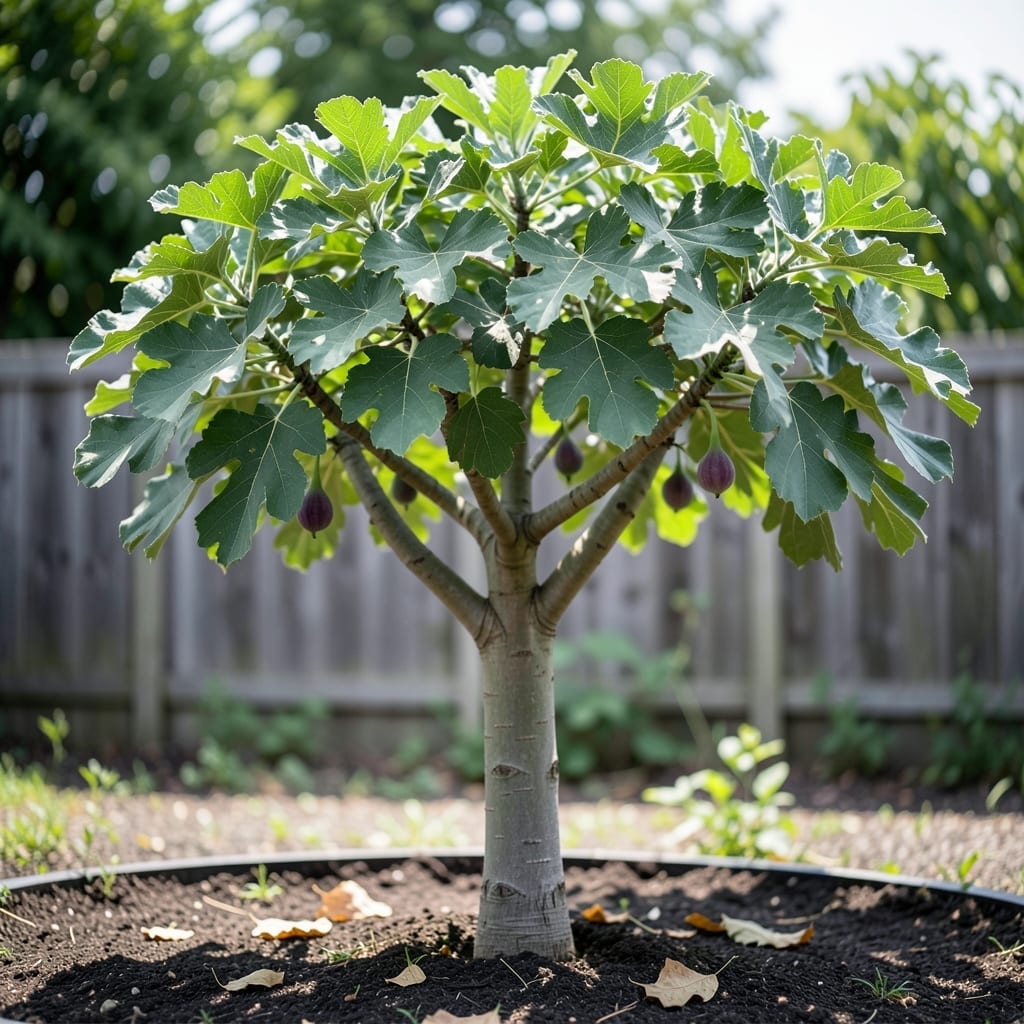
Patience is key when growing Fig Trees 🌳, but knowing the timeline from planting to first harvest helps you plan effectively.
Whether you start from a cutting, seed, or young sapling, each growth stage varies significantly. Understanding these phases lets you provide the best care.
Discover the exact timeframes and factors that influence your tree’s development. I’ll guide you through what to expect and how to nurture your Fig Tree for success.


Growing a fig tree from seed or cutting is a rewarding journey, but it requires understanding each growth stage. The timeline can span from 1 to 5 years to bear fruit, depending on your starting point and conditions.
From germination to maturity, every phase demands specific care. I’ll break down the typical fig tree growth stages so you know exactly what to expect and how to nurture your tree along the way.
| Stage | Duration | Key Development |
|---|---|---|
| Germination (Seed) | 2-4 weeks | Sprouting from seed |
| Seedling | 1 year | Grows 2-3 ft tall |
| Young Tree | 2-3 years | Reaches 5-15 ft |
| Mature Tree | 4-5 years | First fruit harvest |
| Cutting Start | 1-2 years | Faster to fruit production |
Starting from a fig seed is the slowest method, often taking 4-5 years to produce fruit. The seedling stage alone can take a full year just to establish roots and early foliage.
A fig cutting skips the germination phase, typically bearing fruit in 2-3 years. This method is faster because it begins with a genetically identical clone of the parent tree.
Young fig trees from nurseries may fruit in as little as 1-2 years if they’re already 2-3 feet tall. This is the quickest way to enjoy homegrown figs.
Climate plays a huge role in growth speed. In warm climates like USDA zones 7-10, fig trees grow faster due to longer growing seasons. Cooler zones may delay fruiting by a year or more.
Soil quality and watering practices also impact development. Well-draining soil with consistent moisture helps roots establish quickly, while poor drainage can stunt growth.
I’ve found that full sun exposure for at least 6-8 hours daily accelerates growth significantly. Trees in partial shade often take longer to mature and produce fewer fruits.
Regular fertilizing with a balanced 10-10-10 formula supports healthy growth. Apply every 4-6 weeks during the growing season for best results.
Remember, even with ideal conditions, some fig varieties naturally take longer to fruit. Patience and consistent care are your best tools for success 🌳
If you want to enjoy figs sooner, there are proven ways to accelerate growth and encourage earlier fruiting. I’ve tested several methods with great success in my own garden.
Starting with a nursery-grown sapling instead of seeds can shave 2-3 years off your wait time. These young trees already have established root systems ready to grow.
Proper pruning is essential for directing energy toward fruit production. I always prune my fig trees in late winter before new growth starts, removing any dead or crossing branches.
Mulching with organic material helps retain moisture and regulate soil temperature. A 2-3 inch layer of wood chips or compost around the base works wonders.
For container-grown figs, ensure your pot is at least 15-20 gallons to give roots room to spread. Repot every 2-3 years as the tree grows to maintain vigor.
I’ve noticed that consistent watering is more effective than frequent light watering. Deep soaks encourage strong root development, which leads to faster overall growth.
With these techniques, I’ve had fig trees produce fruit in as little as 2 years from planting. The key is providing optimal conditions and consistent care 🌳