
Beautiful Plants For Your Interior
Beautiful Plants For Your Interior
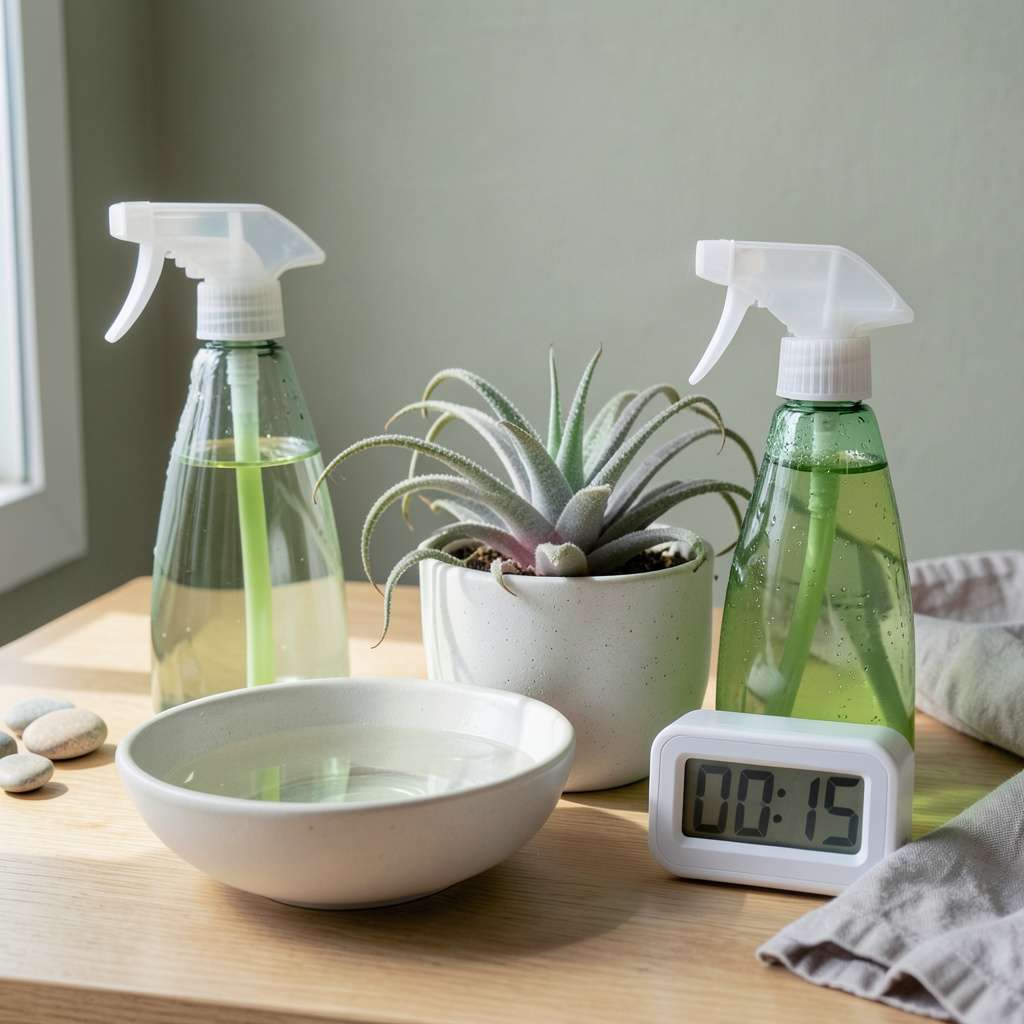
Air plants typically need soaking for 20-30 minutes every 1-2 weeks. Use room-temperature water and ensure they dry completely upside down to prevent rot. Frequency depends on climate and humidity levels.
I’ve learned through years of growing these fascinating plants that their unique hydration needs come from their epiphytic nature—they absorb moisture through specialized leaf structures called trichomes. 🌿 This soaking method mimics their natural rainforest environment where they receive periodic heavy rains followed by drying breezes. What many beginners overlook is how dramatically indoor conditions differ from tropical climates, which is why adjusting your soaking schedule based on your home’s humidity levels makes all the difference in keeping them thriving.
💡 In This Article
Air plants have evolved a remarkable hydration system through their trichomes—microscopic, scale-like structures covering their leaves. These specialized cells act like tiny sponges, absorbing water and nutrients directly from the air. When you soak them, these trichomes expand to take in moisture, then contract as they dry.
The ideal 20-30 minute soaking window allows maximum absorption without oversaturating the plant’s core, which can lead to deadly rot. 💧
The science gets fascinating when you consider osmosis rates. In the first 10 minutes, trichomes absorb about 60% of their capacity. The remaining time lets water penetrate deeper into the leaf tissue where it’s stored for drought periods. This mimics their natural rainforest cycle of heavy dew followed by drying winds.
What surprises most growers is that over-soaking beyond 40 minutes doesn’t increase hydration—it just creates stagnant water in the leaf bases where bacteria thrive.
Environmental factors dramatically alter this process. In arid climates (below 40% humidity), plants may need weekly soaks, while tropical homes (above 60% humidity) might stretch to 3 weeks between sessions. Temperature plays a role too—cooler air slows evaporation, so plants in 60°F rooms retain moisture longer than those in 80°F environments.
This is why rigid schedules often fail, and observing your plant’s leaf curvature (which flattens when hydrated) becomes crucial. 🌡️
The risks of improper soaking become visible quickly. Underwatered plants develop exaggerated leaf curls and brown tips, while overwatered specimens show soft, discolored bases and leaves that fall off with gentle pressure. The trichomes themselves provide visual clues—healthy ones appear silvery when dry and translucent when properly hydrated.
What many miss is that these structures can only absorb effectively when clean, which is why dust removal before soaking boosts hydration efficiency by up to 30%. ✨
Seasonal changes demand schedule adjustments. Winter’s low light and dry air often require 15-20% longer soaks, while summer’s intensity may call for more frequent but shorter sessions. The plant’s life stage matters too—pups (baby offsets) need half the soaking time of mature plants, as their developing trichomes can’t handle full saturation.
This adaptive approach explains why experienced growers often vary their routines monthly rather than sticking to fixed intervals. 🌱
Here’s what most guides don’t mention: water quality dramatically impacts absorption. Tap water with over 200 ppm of minerals leaves deposits that clog trichomes over time. Rainwater or filtered water with a pH between 5.5-6.5 mimics their natural conditions perfectly.
The temperature matters too—water above 75°F can shock the plant, while chilled water below 50°F causes cellular damage that appears as black spots within 48 hours. ⚗️
Water collects in the leaf bases when dried right-side up, creating a perfect breeding ground for rot. Always shake off excess water first, then place upside down for 4-6 hours in good airflow. This simple step prevents most air plant deaths from overwatering.
Tap water works if left out for 24 hours first to let chlorine evaporate. However, high mineral content (over 200 ppm) can clog their trichomes over time. For best results, use rainwater or filtered water with a pH between 5.5-6.5 to mimic their natural habitat.
Watch for excessive leaf curling or brown tips—these are classic underwatering signs. In dry climates (below 40% humidity), increase to weekly soaks. The leaves should feel slightly firm but not squishy 24 hours after soaking. When in doubt, mist between soaks rather than increasing duration.
Miniature varieties only need 10-15 minutes, while large xeric types can handle up to 45 minutes. Pups (baby plants) require half the soaking time of mature plants. Always adjust based on size—oversoaking small plants is the #1 beginner mistake.
Place upside down on a towel in bright, indirect light with good airflow. Use a fan on low setting 3 feet away for faster drying, but never in direct sunlight. The plants should be completely dry within 4-6 hours—any longer suggests too much humidity in your drying area.
