
Beautiful Plants For Your Interior
Beautiful Plants For Your Interior
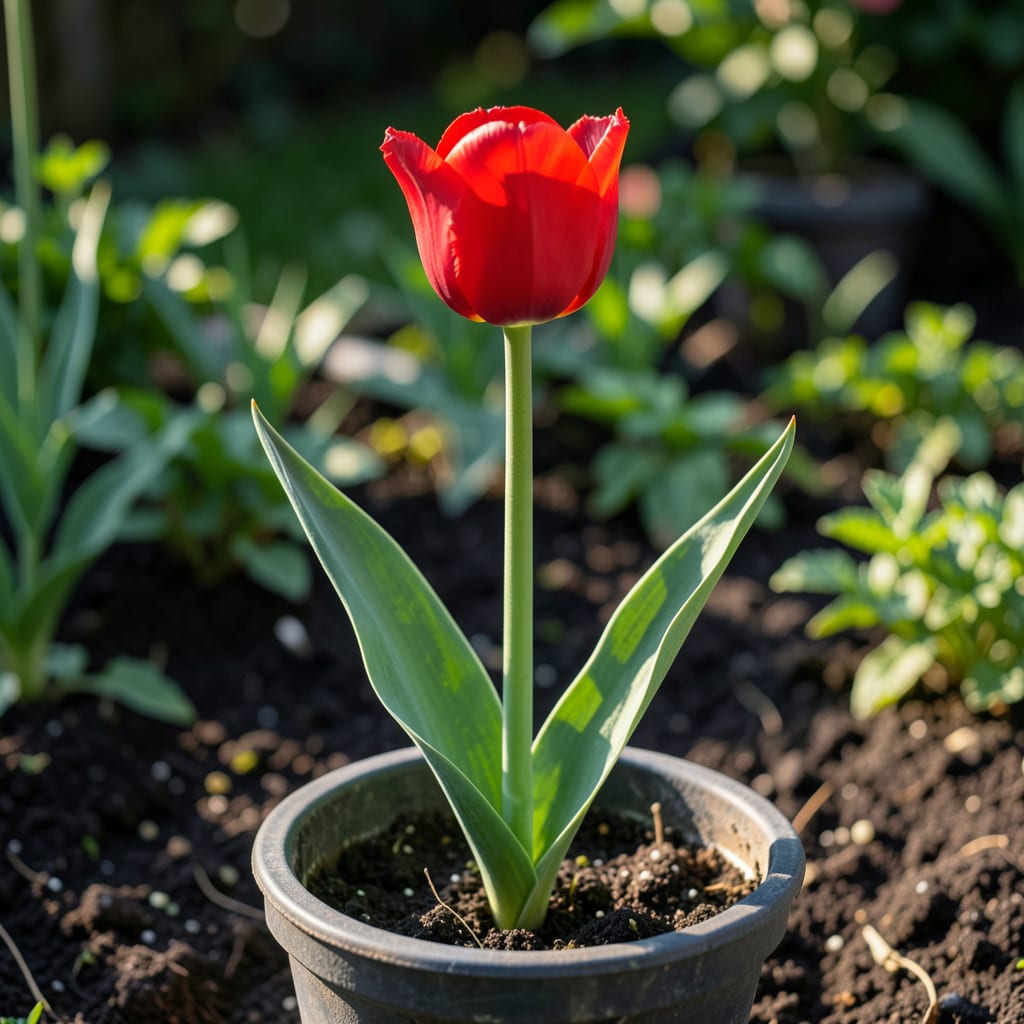
As spring arrives, Tulips 💐 burst into vibrant colors, but their fleeting beauty can leave gardeners wondering how to make the most of their flowering period. In USDA Zone 6, tulips typically bloom from March to May.
Understanding the factors that affect tulip bloom duration can help you enjoy these gorgeous flowers for longer. Let’s explore the secrets to making your tulips bloom last.
Tulips are one of spring’s most vibrant flowers, but their blooming period can be relatively short. The duration of tulip blooms depends on several factors, including weather conditions, soil quality, and variety-specific characteristics. On average, tulips bloom for 1-3 weeks, but this can vary significantly depending on the specific conditions in your garden 🌼.
To better understand the factors that affect tulip bloom duration, let’s examine the key elements that influence how long tulips bloom last. Weather plays a crucial role, with temperature, sunlight, and rainfall all impacting bloom length. Soil conditions, such as drainage and nutrient availability, also play a significant role in determining bloom duration.
The average bloom duration for tulips is typically between 1-3 weeks, with some varieties blooming for shorter or longer periods. Weather conditions, particularly temperature fluctuations, can significantly impact bloom length. Cooler temperatures during the blooming period can help extend the flowering time, while warmer temperatures can cause tulips to bloom more quickly 🌺.
Soil quality is another critical factor in determining tulip bloom duration. Tulips prefer well-draining soil that is rich in organic matter and essential nutrients. Soil that is too wet or dry can negatively impact bloom duration, as can soil lacking in necessary nutrients.
In addition to weather and soil conditions, the specific tulip variety also plays a significant role in determining bloom duration. Some tulip varieties, such as Darwin Hybrids and Fosteriana tulips, are known for their longer bloom periods, while others may bloom for only a short time.
Understanding these factors can help you make informed decisions about tulip care and maintenance, allowing you to enjoy your tulips for longer. By selecting the right varieties, providing optimal growing conditions, and following proper care techniques, you can maximize the blooming period of your tulips 💐.
Tulip bloom duration can be influenced by various factors, including weather patterns, soil conditions, and cultivar characteristics. By understanding these factors, gardeners can take steps to optimize growing conditions and extend the blooming period.
To maximize tulip bloom duration, it’s essential to provide optimal growing conditions. This includes planting tulips in well-draining soil with a suitable pH, providing adequate sunlight and water, and maintaining a consistent temperature during the blooming period.
By combining the right tulip varieties with optimal growing conditions and proper care, you can enjoy a longer and more vibrant blooming period. This includes selecting varieties known for their long-lasting blooms and following best practices for tulip care and maintenance.
Proper tulip care involves more than just planting the bulbs. It requires attention to soil quality, watering, and post-bloom care. By following these guidelines, you can help ensure that your tulips bloom for as long as possible and remain healthy throughout the growing season.
In conclusion, understanding the factors that affect tulip bloom duration can help you make the most of your tulip display. By selecting the right varieties, providing optimal growing conditions, and following proper care techniques, you can enjoy your tulips for a longer period and create a stunning spring display 🌼.
To maximize the blooming period of your tulips, it’s essential to implement effective strategies that promote healthy growth and flowering. One key approach is to plant multiple tulip varieties with different bloom times, creating a staggered flowering effect that extends the overall blooming season 🌼.
Another crucial factor is proper planting techniques. Planting tulip bulbs at the right depth and spacing can significantly impact their growth and flowering. By following best practices for tulip planting, you can help ensure that your bulbs receive the necessary nutrients and water to thrive.
Select tulip varieties with different bloom times to create a staggered flowering effect.
Plant tulip bulbs 3 times deeper than the height of the bulb to protect from temperature fluctuations.
Ensure tulips receive adequate sunlight and water, and maintain well-draining soil.
In addition to these strategies, post-bloom care is critical for maintaining healthy tulip plants and promoting future blooms. By removing spent flowers and allowing the foliage to die back naturally, you can help redirect the bulb’s energy towards re-growing and storing energy for next year’s bloom 🌺.
To further extend the blooming period, consider planting tulips in a location that provides some protection from extreme weather conditions, such as intense sunlight or strong winds. This can help reduce stress on the plants and promote healthier growth.
By implementing these tips and techniques, you can enjoy a longer and more vibrant tulip blooming period in your garden. With proper care and attention, your tulips will continue to thrive and provide beautiful flowers for years to come 💐.
Extending the tulip bloom period requires a combination of good planning, proper care, and attention to detail. By following these guidelines and tips, you can create a stunning spring display that showcases the beauty of your tulips 🌼.
One of the most effective ways to extend the blooming period is to deadhead your tulips as soon as they finish flowering. This involves removing the spent flowers to prevent the bulb from putting energy into seed production, allowing it to focus on re-growing and storing energy for next year’s bloom.
By following these tips and techniques, you can enjoy a longer and more vibrant tulip blooming period in your garden, creating a beautiful and dynamic spring display 🌺.
After your tulips finish blooming, it’s essential to provide proper post-bloom care to maintain healthy plants and promote future flowering. One of the most critical steps is deadheading, which involves removing the spent flowers to prevent the bulb from putting energy into seed production 🌼.
Allow foliage to die back naturally after blooming to help the bulb store energy for next year’s bloom.
It’s also crucial to allow the foliage to die back naturally, as this process helps the bulb store energy for next year’s bloom. Avoid cutting or removing the foliage until it has turned yellow and wilted, as this can weaken the bulb 🌺.
Post-bloom fertilization is another important step in maintaining healthy tulip plants. Applying a low-nitrogen, high-potassium fertilizer after blooming can help promote bulb health and encourage future flowering 💐.
By following these post-bloom care tips, you can help ensure that your tulips continue to thrive and provide beautiful flowers for years to come. Proper care after blooming is essential for maintaining healthy bulbs and promoting future growth.
In addition to deadheading and fertilization, it’s essential to monitor your tulips for signs of disease or pests. Regularly inspecting your plants can help you identify any potential issues early on, allowing you to take action to prevent damage.
By combining proper post-bloom care with good gardening practices, you can enjoy a vibrant and healthy tulip display for years to come. With the right care and attention, your tulips will continue to bloom beautifully, providing a stunning spring display 🌼.
Tulips usually bloom for 1-3 weeks, depending on factors like weather, soil quality, and variety. Cooler temperatures can help extend the blooming period .
Yes, you can extend the blooming period by planting multiple tulip varieties with different bloom times. This creates a staggered flowering effect that can last longer .
After blooming, remove spent flowers (deadhead) to prevent seed production. Allow the foliage to die back naturally, and consider applying a low-nitrogen, high-potassium fertilizer to promote bulb health .
Water tulips regularly during their growth phase, typically 1-2 inches per month. Ensure the soil drains well to prevent waterlogged conditions .
