
Beautiful Plants For Your Interior
Beautiful Plants For Your Interior
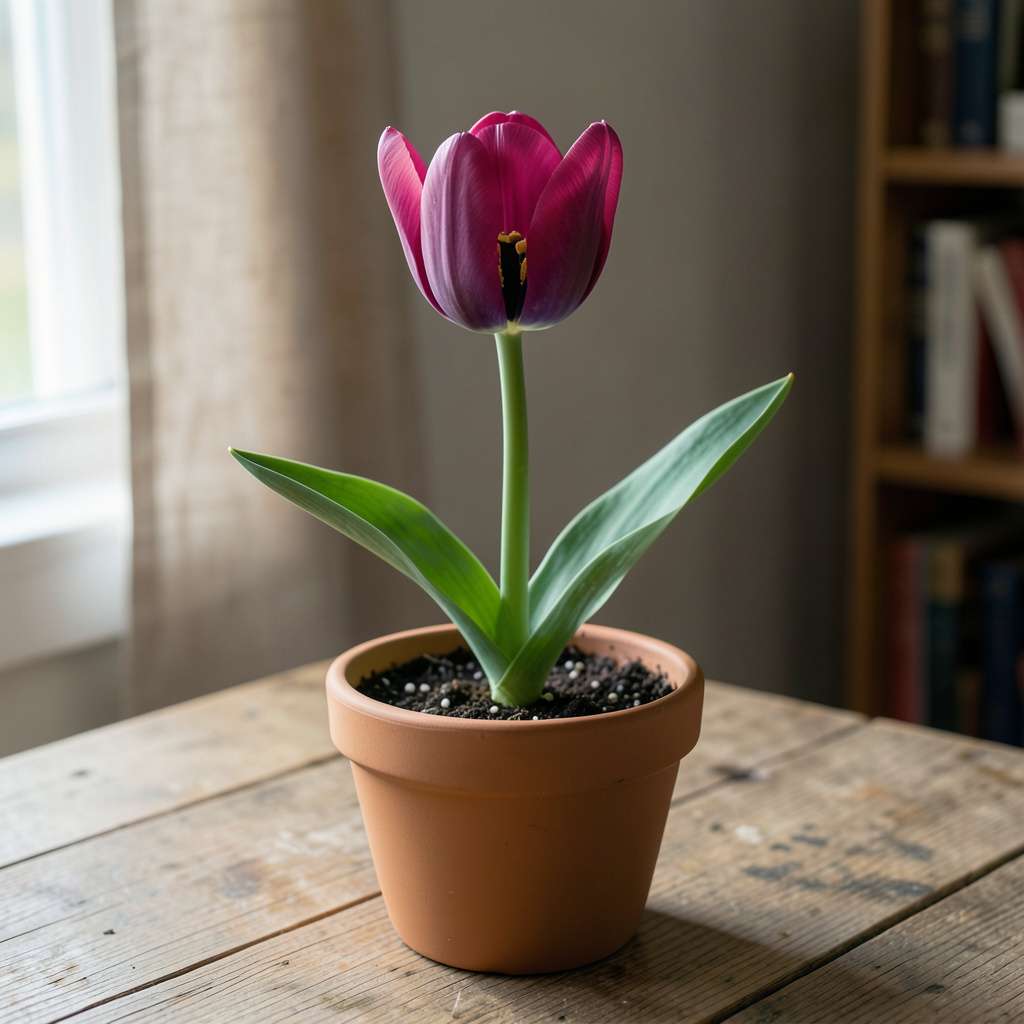
Potted tulips typically bloom for 1-2 weeks indoors, with foliage lasting another 4-6 weeks. Proper care can extend their lifespan, but they’re usually treated as seasonal plants rather than long-term perennials.
I’ve found that their lifespan indoors depends heavily on how well you mimic their natural growing conditions. 🌱 The secret lies in managing light exposure—6-8 hours of bright, indirect sunlight daily keeps blooms vibrant longer. What many don’t realize is that tulips are geophytes, meaning their bulbs store energy for future growth. This is why post-bloom care matters: letting foliage die back naturally allows the bulb to recharge for potential reblooming next season.
From my experience, temperature plays a bigger role than most expect. Keeping them in 60-65°F environments prevents premature wilting, while avoiding drafts or heat sources extends their display. 💫 The trade-off? Indoor potted tulips rarely rebloom as reliably as garden-planted ones, but with the right care, you can coax a second (though smaller) bloom cycle from some varieties.
💡 In This Article
The lifespan of potted tulips hinges on how well you replicate their natural growth cycle. In their native habitats, tulips experience cool spring temperatures (50-60°F) and consistent moisture—conditions that are challenging to maintain indoors.
The bulbs are essentially energy storage units, and when forced to bloom early (as with potted varieties), they deplete these reserves faster. This is why commercial growers chill bulbs at 35-45°F for 12-16 weeks before sale to trick them into thinking winter has passed.
Light exposure dramatically impacts bloom duration. Tulips require 6-8 hours of bright, indirect light daily to maintain their vibrant colors and upright posture. Without adequate light, stems elongate weakly (a condition called etiolation) and petals may drop prematurely. I’ve noticed that south-facing windowsills provide ideal conditions, while north-facing locations often reduce bloom time by 30-40%.
The intensity matters too—direct afternoon sun can scorch petals, creating brown edges within 24-48 hours.
Temperature fluctuations create invisible stress. Most homes maintain 68-72°F, which is actually 10-15°F warmer than tulips prefer. This heat accelerates their metabolism, causing blooms to open and fade faster. 🌡️ What’s fascinating is that tulips continue growing after cutting—stems can elongate 1-2 inches in just 24 hours at room temperature.
This is why florists store them in coolers at 33-35°F to slow this process.
Water management presents a delicate balance. The bulbs rot easily in soggy soil, yet dry conditions prevent proper nutrient uptake. I use the “finger test”—watering only when the top 1-2 inches of soil feel dry. Overwatering is the #1 killer of potted tulips, with roots suffocating within 3-5 days in waterlogged conditions.
The container size matters too: bulbs in 4-6 inch pots dry out faster than those in 8-inch containers, requiring more frequent but smaller waterings.
Bulb quality at purchase determines potential longevity. Look for firm bulbs with no soft spots—these indicate internal rot. The larger the bulb (ideally 12+ cm in circumference), the more energy reserves it contains.
What most don’t realize is that commercial growers often treat bulbs with gibberellic acid to force uniform blooming, which can reduce their natural lifespan by 25-30%. Organic, untreated bulbs may bloom less uniformly but often last longer overall.
The post-bloom phase is critical for energy recovery. When petals fade, the plant shifts energy back to the bulb through photosynthesis in the leaves. Cutting foliage too soon (before it yellows completely) prevents this recharge.
💛 I’ve successfully rebloomed potted tulips by moving them outdoors after flowering, where natural temperature cycles better mimic their native conditions. Darwin Hybrid tulips show the highest rebloom rates at 60-70% when given this post-bloom care.
Indoor versus outdoor conditions create stark differences. Outdoor-planted tulips benefit from natural temperature fluctuations that signal proper dormancy. Potted tulips miss these cues, which is why they often behave as annuals rather than perennials. The exception?
When you transition potted tulips to garden beds after blooming—some varieties like ‘Apeldoorn’ can establish and rebloom for 3-5 years with proper care. This transition works best when done before soil temperatures exceed 60°F.
Genetics play an underappreciated role. Early-blooming varieties like ‘Fosteriana’ types typically last 7-10 days, while late-season Darwin Hybrids can maintain blooms for 14-18 days under identical conditions. The difference lies in their natural bloom times—early varieties evolved to open quickly during brief spring windows, while later varieties developed more staying power.
This genetic programming continues even in potted conditions, which is why variety selection matters as much as care techniques.
Air quality affects tulips more than most realize. Ethylene gas (produced by ripening fruits) accelerates petal drop—keeping tulips near a fruit bowl can reduce bloom time by 40%. 🍎 Humidity levels below 40% cause petals to become brittle, while levels above 60% encourage fungal growth.
The ideal range of 45-55% humidity maintains petal turgor without promoting disease. This is why bathroom locations (with their humidity fluctuations) often shorten tulip displays despite the light from windows.
With proper care, some varieties can rebloom, but it’s challenging indoors. Move them outdoors after flowering, let foliage die back naturally, then store bulbs in a cool, dark place. Darwin Hybrid tulips have the highest success rate at 60-70% for reblooming.
Heat and ethylene gas are the top culprits. Most homes are 10-15°F too warm for tulips, accelerating their metabolism. Keep them away from ripening fruit (which releases ethylene) and heat sources. Cool temperatures (60-65°F) extend bloom life significantly.
Check soil daily—water only when the top 1-2 inches feel dry. Overwatering kills more tulips than underwatering! Use room-temperature water and ensure pots have drainage holes. A pebble tray adds humidity without soggy soil, which causes bulb rot in 3-5 days.
East-facing windowsills are ideal, providing 4-6 hours of gentle morning sun. Avoid south-facing windows (too harsh) or north-facing (too dim). Rotate pots daily for even growth. If natural light is limited, supplement with cool-white LED grow lights for 12-14 hours.
Transition them to a shady outdoor spot and keep watering for 6-8 weeks until foliage yellows. Then dig up bulbs, dry them, and store in a paper bag in your fridge’s crisper. Replant in fall for possible blooms next spring—varieties like ‘Apeldoorn’ may rebloom for 3-5 years.
