
Beautiful Plants For Your Interior
Beautiful Plants For Your Interior
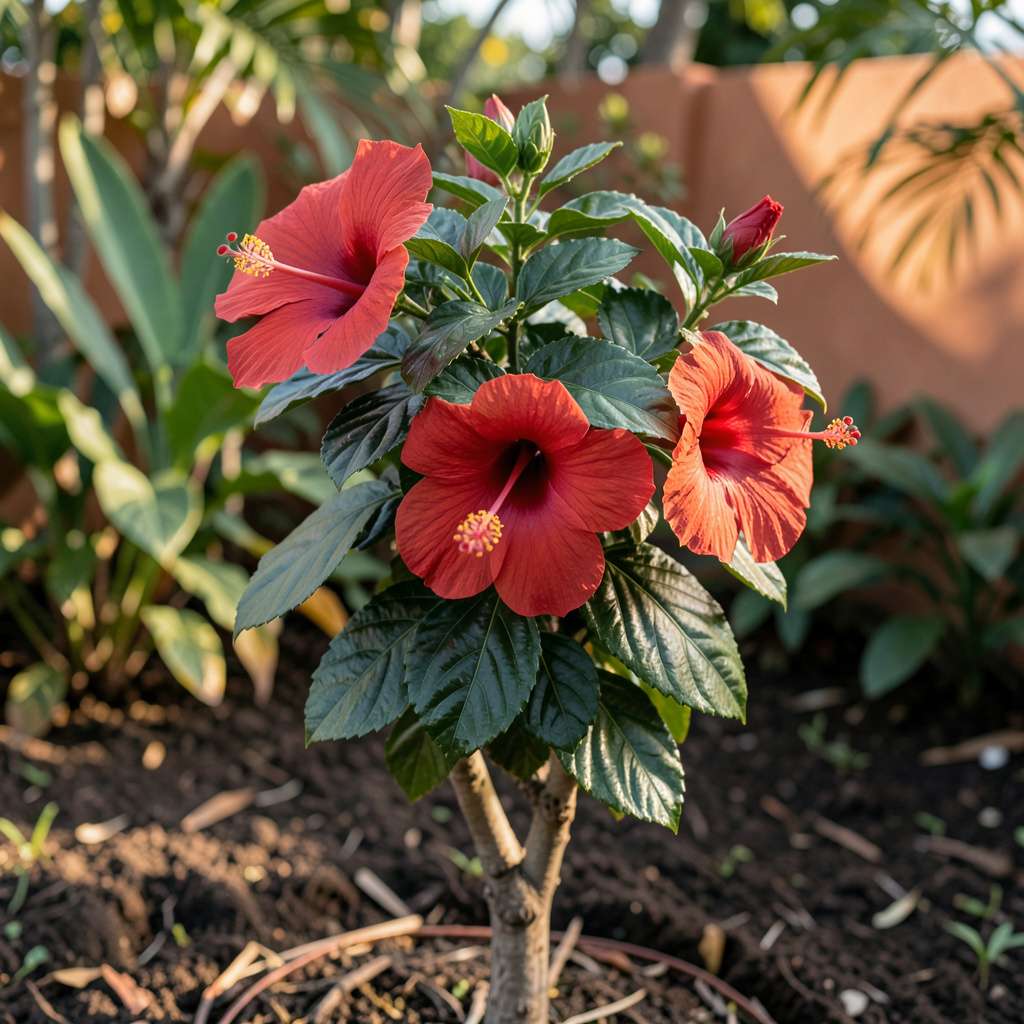
Hibiscus flowers typically last just one day, blooming in the morning and wilting by evening. However, well-cared-for plants produce new flowers daily throughout their growing season, often from late spring until fall.
This fleeting beauty is actually part of hibiscus’s clever survival strategy. 🌺 The plant conserves energy by focusing on producing fresh blooms rather than maintaining old ones, which is why you’ll often see new buds forming as spent flowers drop. I’ve noticed that tropical varieties tend to have slightly longer-lasting individual blooms than hardy types, though both follow this daily renewal cycle when conditions are right.
What makes hibiscus so rewarding for gardeners is this continuous display. With proper care—consistent watering, full sun exposure, and regular feeding—you can enjoy a steady parade of vibrant flowers for months. The secret lies in understanding that while each bloom is temporary, the plant’s overall flowering season can stretch from your first spring warmth through late autumn’s cooler days.
💡 In This Article
Hibiscus flowers follow a deliberate one-day lifecycle that’s actually an evolutionary advantage. The plant prioritizes pollination efficiency by producing fresh, vibrant blooms each morning that attract pollinators with their bright colors and nectar.
This strategy works because the flowers open fully at dawn when pollinators are most active, then begin closing by late afternoon as their nectar supply depletes. 🌞 The energy saved from not maintaining old blooms gets redirected into producing new buds.
The wilting process accelerates dramatically with environmental factors. In temperatures above 85°F, flowers may only last 6-8 hours before wilting, while cooler 65-75°F conditions can extend their display to nearly 12 hours. Humidity plays a role too—high moisture levels (above 70%) cause petals to become waterlogged and heavy, speeding up their decline.
Tropical varieties like Hibiscus rosa-sinensis often handle heat better than hardy types, with blooms lasting 2-3 hours longer in identical conditions.
What’s happening biologically is fascinating. As soon as pollination occurs (or the flower ages past its prime), the plant triggers ethylene production—a natural plant hormone that signals cellular breakdown. The petals lose turgor pressure as water moves out of the cells, causing that characteristic wilting appearance.
This process is so efficient that you can actually watch the transformation happen over just a few hours in time-lapse photography.
The trade-off for this short bloom life is remarkable productivity. A healthy hibiscus plant can produce dozens of new buds simultaneously at different development stages. I’ve counted up to 15-20 buds on a single tropical hibiscus plant in peak season, ensuring continuous blooms even as individual flowers come and go.
The plant’s vascular system prioritizes nutrient delivery to developing buds over maintaining open flowers, which explains why you’ll often see fresh blooms opening as yesterday’s flowers drop. ✨
There’s also a survival advantage to this rapid turnover. By shedding flowers quickly, the plant reduces opportunities for pests and diseases to establish themselves on aging blooms. The fallen petals create a natural mulch that helps retain soil moisture and suppress weeds—though you’ll want to remove them if they show signs of mold.
This cycle explains why hibiscus plants in their native tropical environments can bloom nearly year-round, while temperate climate varieties follow the seasonal daylight patterns more strictly.
For gardeners, this means your hibiscus will reward you with a dynamic display rather than static blooms. The key to maximizing enjoyment lies in selecting varieties with staggered bloom times.
Some cultivars like ‘Brilliant’ or ‘Fiji’ may open slightly later in the morning (around 9-10 AM), while others like ‘Pink Versicolor’ begin unfurling at first light. 💫 By planting several types together, you can create a cascading bloom effect that keeps your garden vibrant from dawn until dusk.
No, tropical hibiscus (Hibiscus rosa-sinensis) blooms often last 1-2 hours longer than hardy varieties. The tropical types handle heat better, while hardy hibiscus may wilt faster in extreme temperatures but tolerate cooler climates.
High temperatures (above 85°F) and direct afternoon sun accelerate wilting. Try providing light shade during peak heat hours. Also check soil moisture—dry roots stress the plant, causing flowers to close prematurely.
Cut stems early morning when buds are just opening. Use room-temperature water with 1 tsp sugar and 1 drop bleach per quart. Change water daily and recut stems—this may extend vase life to 2-3 days.
A well-cared-for plant produces 3-5 new blooms daily during peak season. If you’re seeing fewer, check for pests, insufficient sunlight (6+ hours needed), or nutrient deficiencies—especially phosphorus.
Yes! In mild coastal areas with 65-75°F temperatures and 50-60% humidity, blooms may last 12+ hours. Desert heat or high humidity both shorten flower lifespan significantly.
