
Beautiful Plants For Your Interior
Beautiful Plants For Your Interior
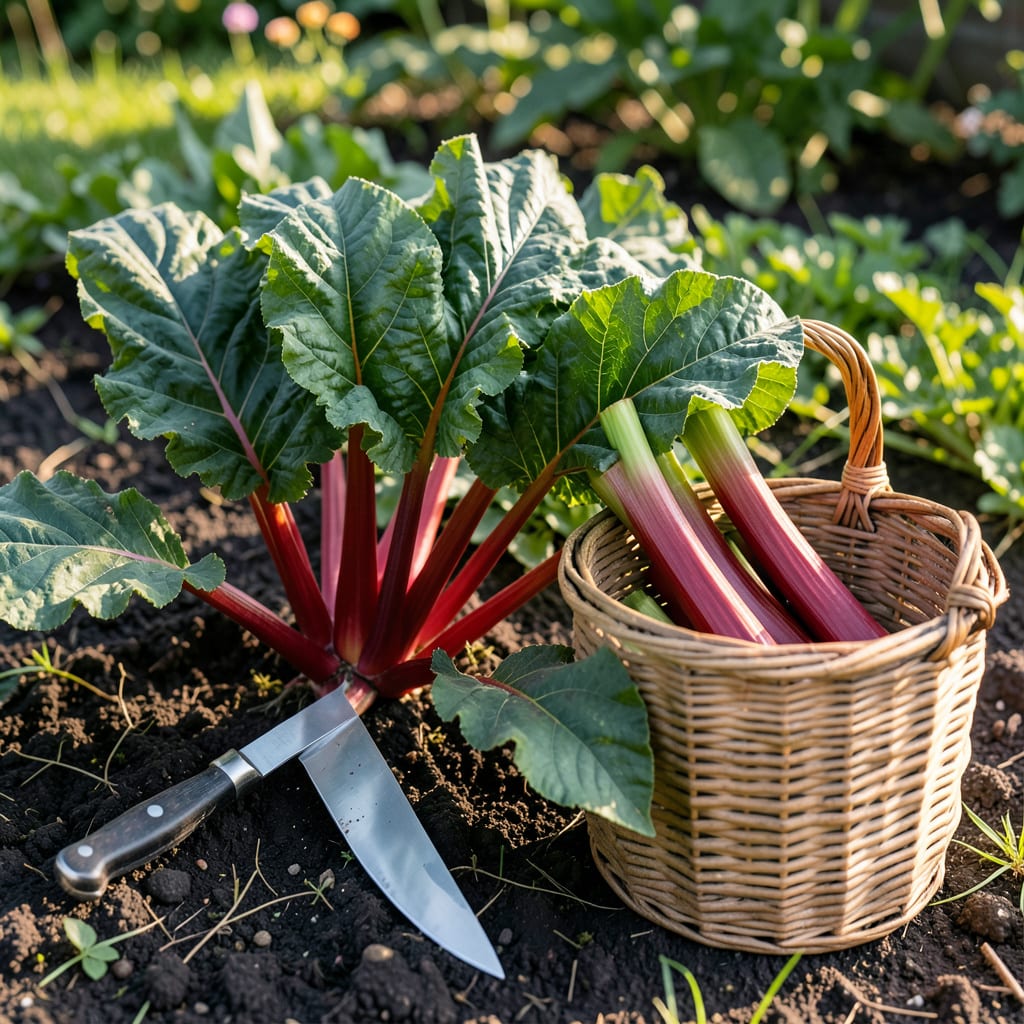
I love how 🌱 Rhubarb keeps giving year after year, but timing your harvest correctly is crucial. Picking too early or too late can stress the plant and reduce future yields.
Let me share the secrets to maximizing your harvest window while keeping your Rhubarb healthy and productive for seasons to come. You’ll be surprised how much longer you can enjoy those tart stalks.


I’ve found that Rhubarb typically produces harvestable stalks from early spring through early summer, giving you a solid 8-10 week window of picking. This period varies slightly based on your climate zone and the plant’s maturity.
The key is to stop harvesting by mid-summer or when the stalks become thin and spindly. This gives the plant time to rebuild its energy reserves for next year’s growth.
| header” style=”color:#6fd544;border-color:#6fd544;”>Action | cell”>April-May | row”> | cell”>May-June | row”> | cell”>June-July | row”> | cell”>July-August |
Another clear signal is when the stalks become woody or the leaves turn yellow. At this point, the plant is telling you it needs a break. I mark this moment in my garden journal each year to track my plant’s patterns. Remember that consistent watering and balanced fertility can extend your harvest window. I’ve noticed my plants produce 2-3 extra weeks of good stalks when I keep the soil moist but not soggy. ☀️ Finally, always use the “twist and pull” method rather than cutting stalks. This prevents disease entry through the cut stem and encourages healthier regrowth. ✂️ Proven Techniques for Extending Your Rhubarb HarvestI’ve discovered several proven methods to stretch your rhubarb harvest well beyond the typical window. With the right care, you can enjoy fresh stalks for an extra 2-3 weeks each season. One of my favorite tricks is staggered planting. By setting out new crowns every 2-3 years, you create a rotation where younger and older plants mature at different times. list” style=”list-style-type: decimal; padding-left: 20px;”>
I always mulch heavily around my rhubarb with organic compost. This keeps the soil temperature stable and retains essential moisture during hot spells. Another game-changer is proper stalk removal. Instead of cutting, I use the twist-and-pull method which prevents disease entry and stimulates new growth from the base. For plants showing mid-season fatigue, I give them a light feeding of compost tea. This quick nutrient boost often revives them for another flush of stalks. Don’t forget that consistent watering is key. I water my rhubarb deeply once weekly, more during dry spells. This encourages strong root development and sustained production. 🌿 Common Mistakes That Shorten Your Rhubarb Picking WindowI see many gardeners unknowingly shorten their rhubarb season by making a few common errors. The biggest mistake is over-harvesting early in the season when the plant is still building strength. Another frequent issue is ignoring seed stalks. When you let these grow, the plant diverts energy from leaf production to flower formation, cutting your harvest short by weeks. content”>
Removing more than 1/3 of stalks at once starves the plant and reduces future yields by up to 50%.
I’ve also learned that poor post-harvest care can shorten next year’s season. Failing to water deeply after picking leaves the plant stressed and less productive later. Many gardeners don’t realize that cutting stalks instead of twisting and pulling invites disease. This simple mistake can weaken your plant and reduce its harvest window significantly. Finally, neglecting soil health between seasons leads to weaker plants. I always add compost in fall to ensure my rhubarb has the nutrients it needs for a long, productive season next year. 🌱 Frequently Asked Questions
1
Can I harvest rhubarb in its first year?No, resist the temptation! First-year plants need to establish strong roots. Picking too soon weakens the plant and reduces future yields by up to 50%.
2
What happens if I pick too many stalks at once?Removing more than 1/3 of stalks starves the plant. This can shorten your harvest window and weaken next year’s production significantly.
3
How do I know when to stop harvesting for the season?Stop when stalks become thin and spindly or when you see seed stalks forming. This usually happens by mid-summer.
4
Does cutting stalks differently affect regrowth?Always use the twist-and-pull method. Cutting leaves the stem open to disease and can reduce your plant’s productivity by 20-30%. |
|---|
