
Beautiful Plants For Your Interior
Beautiful Plants For Your Interior
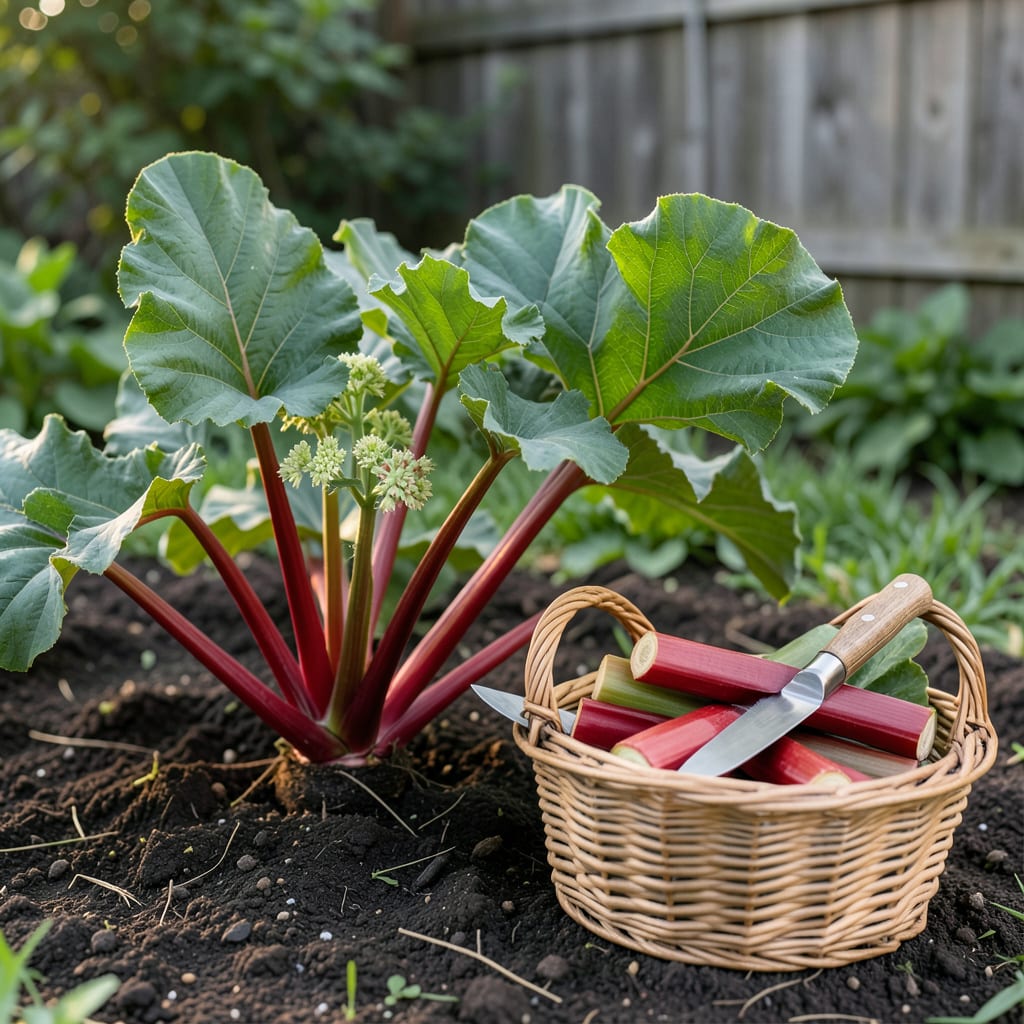
I love how Rhubarb 🥬 keeps giving year after year, but timing your harvest right makes all the difference. Picking too early or too late can stress the plant and reduce future yields.
Discover the most efficient window to gather those tart stalks while keeping your patch thriving for seasons to come. It’s simpler than you think.


I’ve found that rhubarb plants thrive when you respect their natural harvest window. For established plants, the optimal picking season typically runs from early spring to early summer. This is when stalks are at their peak. ✂️
In most regions, that means April through June. However, cooler climates may shift this window slightly later. The key is to start harvesting only when stalks reach 10–15 inches in length and feel firm. 🌱
| Stage | Action |
|---|---|
| First Year | Avoid harvesting to let roots establish |
| Second Year | Light harvest: pick 1-2 stalks per plant |
| Year 3+ | Full harvest: 8-10 stalks per plant |
| Peak Season | April–June: Harvest every 1-2 weeks |
| Stop Signal | Thin stalks or seed stalks forming |
For first-year plants, resist the urge to harvest at all. This rest period allows the root system to strengthen, ensuring bigger yields in future years. I learned this the hard way after over-picking my first patch. 🌿
By the second year, you can take a light harvest of 1–2 stalks per plant. This small yield won’t stress the plant but gives you a taste of what’s to come. Just be sure to leave most stalks to fuel growth.
Once your rhubarb is mature (year 3 and beyond), you can harvest up to 10 stalks per plant during the season. I aim for every 1–2 weeks at peak production, always pulling stalks from the outside first. ☀️
Watch for seed stalks—these appear in late spring and signal it’s time to stop harvesting. Removing them promptly extends the harvest and keeps the plant focused on edible stalk production.
In hotter climates, rhubarb may bolt early. If temperatures consistently exceed 75°F, the plant may shut down production. I’ve seen this happen by early May in warmer zones.
For a longer harvest, try staggered planting. Set out new crowns every 2–3 years to maintain a mix of young and mature plants. This way, you’ll always have fresh stalks ready to pick. 🪴
Finally, always stop harvesting by early summer. The plant needs time to recover and store energy for next year. I mark July 1 as my cutoff date to ensure my plants stay healthy and productive. 💧
I’ve learned that rhubarb harvesting doesn’t have to end in early summer. With a few smart strategies, you can stretch your harvest while keeping plants healthy and productive. ✂️
One of my favorite tricks is staggered planting—add new crowns every 2–3 years. This ensures a mix of young and mature plants, so you always have fresh stalks ready to pick. 🌱
Proper stalk removal is key—always pull stalks from the base with a gentle twist. This prevents damage to the crown and reduces disease risk. I use clean hands or gloves for each harvest. 🌿
Another way to extend the season is by mulching heavily around plants. A 2–3 inch layer of straw or compost keeps soil cool and moist, delaying the onset of summer stress that shortens harvests.
I also feed my rhubarb with a balanced fertilizer after the first harvest. This boosts regrowth for a second flush of stalks. Just avoid late-season feeding, which can produce tender growth vulnerable to frost. ☀️
Stop harvesting if stalks become thin or weak. This is the plant’s way of saying it needs a rest period. I’ve found that pausing for 2–3 weeks mid-season can actually increase overall yield.
I always watch my rhubarb plants closely for signs they’re tired of producing. When stalks start looking thin or spindly, it’s nature’s way of saying time to pause. ✂️
Another red flag is reduced regrowth between harvests. If new stalks are slow to appear or remain small, the plant needs energy recovery time. I stop picking immediately when I notice this. 🌱
⚠️ Plant Stress Alert
Wilting leaves, thin stalks, or slow regrowth mean stop harvesting to prevent long-term damage to your rhubarb.
I’ve learned that seed stalk formation is the most obvious signal. When you see flower buds developing, remove them right away and cease all harvesting for the season. This lets the plant rebuild its reserves. 🌿
Also check for yellowing leaves or drooping foliage. These indicate nutrient depletion from over-harvesting. I give my plants a 2–3 week rest with extra compost to help them bounce back.
Remember, rhubarb is a perennial investment. Pushing it too hard one year can reduce yields for seasons to come. I mark my calendar to stop by July regardless of appearance. ☀️
Stop harvesting by early summer or when stalks become thin. This gives the plant time to recover and store energy for next year.
Avoid harvesting in the first year. Let the root system establish for bigger yields in future seasons. Patience pays off!
Harvest mature plants every 1–2 weeks during peak season. Always pull outer stalks first to allow inner growth to mature.
Over-picking can weaken the plant, leading to thin stalks and reduced future yields. Stop if you notice slow regrowth or wilting leaves.
