
Beautiful Plants For Your Interior
Beautiful Plants For Your Interior
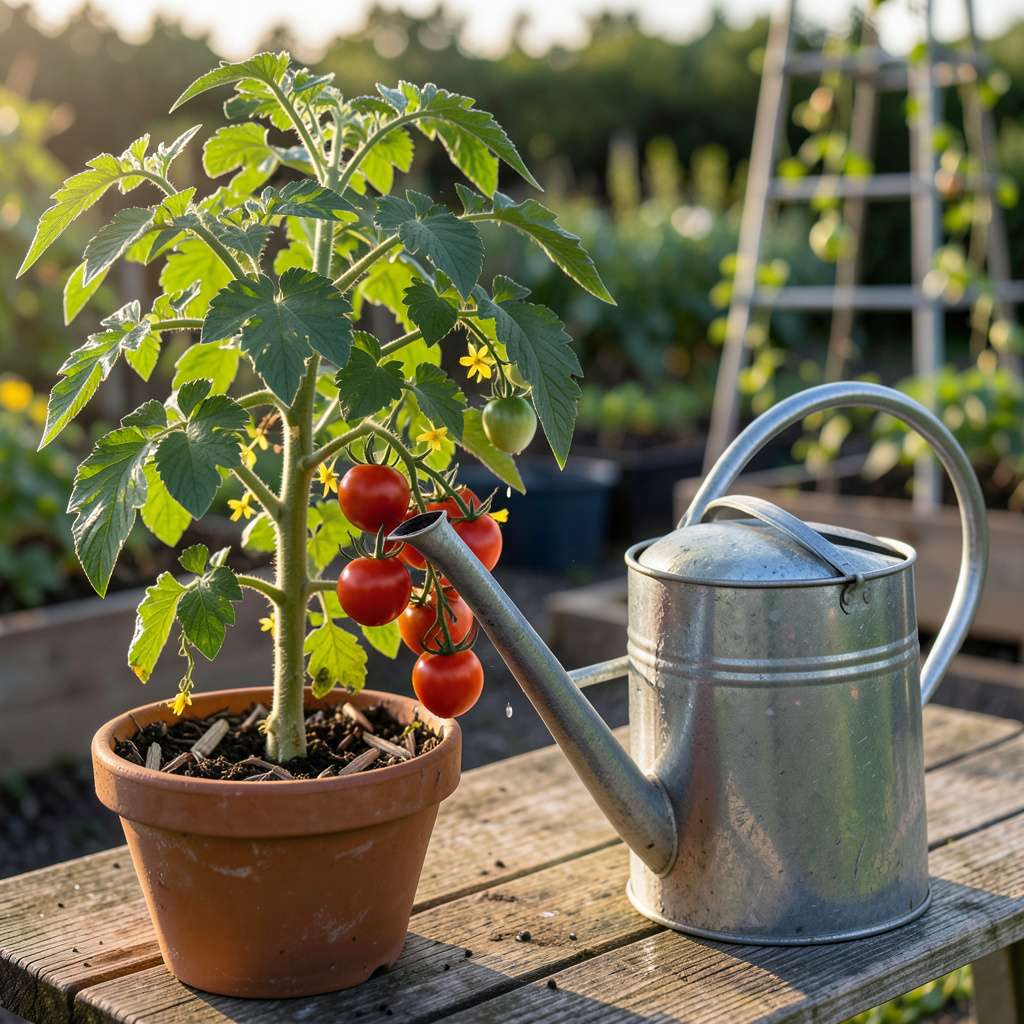
Most houseplants survive 7–14 days without water, while succulents can last weeks or months. Outdoor plants vary—vegetables wilt in 2–3 days, drought-tolerant shrubs endure weeks. Survival depends on species, climate, and soil moisture retention.
I’ve learned through years of gardening that a plant’s water needs are as unique as its leaves. 🌱 Succulents like jade plants or aloe vera store moisture in their thick leaves, while ferns with delicate fronds dry out almost overnight. What surprises most beginners is how dramatically humidity affects survival—tropical plants in dry climates may need water every 3-4 days, while the same species in humid environments can stretch to 10 days or more.
The real game-changer is understanding your plant’s natural habitat. Desert natives like cacti can go months without rain, while vegetable gardens need consistent moisture to prevent bitterness in leaves or cracking in fruits. I always check soil 2 inches deep—if it’s dry there, it’s time to water, regardless of surface appearance. ✨
💡 In This Article
What makes some plants survive weeks without water while others wilt in days? The secret lies in their evolutionary adaptations. Succulents like aloe vera and jade plants store water in their thick, fleshy leaves—some can hold 90-95% water by weight.
Compare that to thin-leaved plants like basil, where leaves may contain only 70-80% water and lose moisture rapidly through transpiration. The thicker the leaf cuticle (waxy outer layer), the slower the water loss.
Root systems tell another survival story. Deep-rooted plants like oak trees (roots extending 10-20 feet down) access groundwater during droughts, while shallow-rooted annuals like lettuce rely on surface moisture that evaporates quickly. Some desert plants grow horizontal roots 50+ feet wide to capture rare rainfall.
Soil composition matters too—clay retains moisture longer than sandy soil, which drains within 1-2 hours of watering.
Leaf structure creates dramatic differences in water retention. Plants with small, waxy, or hairy leaves (like rosemary or lavender) lose 30-50% less water than broad-leaved plants. The stomata (pores) on leaf undersides also play a role—some plants close theirs during daytime heat, while others keep them open, accelerating moisture loss.
This is why hostas wilt faster than yucca plants in the same conditions.
Humidity levels can double or halve survival times. In 80% humidity, tropical plants like peace lilies may last 14+ days without water, while the same plant in 30% humidity shows stress after 5-7 days. Temperature compounds this—each 10°F increase above 70°F can reduce survival time by 20-30% due to increased evaporation.
That’s why winter houseplants often need less frequent watering than summer plants.
Some plants have hidden water conservation tricks. Cacti use CAM photosynthesis, opening stomata only at night to reduce water loss. Ephemeral plants (like desert wildflowers) complete their entire life cycle in 2-3 weeks during rare rains.
Even common houseplants like snake plants can survive 4-6 weeks without water by entering a dormant state—their metabolism slows dramatically when soil moisture drops below 20%.
Container plants face unique challenges. Potted plants dry out 2-3 times faster than in-ground plants because their limited soil volume holds less moisture. Terracotta pots (porous) lose water 50% faster than plastic pots.
I’ve seen spider plants in small terracotta pots wilt in 3 days without water, while the same plant in a glaze-coated ceramic pot lasts 10+ days. The pot size-to-plant ratio makes a surprising difference too—overpotted plants stay moist longer but risk root rot.
Seasonal changes dramatically alter water needs. Deciduous trees in winter (when dormant) may need no supplemental water for months, while the same tree in summer could require weekly deep watering. Flowering and fruiting plants demand 2-3 times more water during their productive phases.
I once saved a wilting tomato plant by watering it twice daily during fruit set—its water needs had tripled overnight as the fruits developed.
Here’s what most gardeners miss: plant age affects drought tolerance. Seedlings with underdeveloped roots may die within 24 hours of drying out, while mature plants of the same species survive 2-3 weeks. A 1-year-old oak sapling needs weekly watering, but a 10-year-old oak can handle month-long droughts.
This is why newly transplanted plants (even drought-tolerant species) need consistent moisture for the first 4-6 weeks while establishing their root systems.
The soil’s organic matter content creates a moisture buffer. Soil with 5% organic matter holds about 1 inch of water per foot, while soil with 1% organic matter holds only 0.5 inches. This explains why amending garden beds with compost can extend the time between waterings by 30-50%.
Mulching adds another layer of protection—2-3 inches of organic mulch can reduce surface evaporation by 70%, effectively doubling how long your plants can go between waterings.
Check for crispy brown leaf edges, soil pulling away from the pot, or stems that feel soft when gently squeezed. These are red flags that your plant needs immediate attention. Severely dehydrated plants may drop leaves entirely or develop permanent damage.
Use the bottom-watering method for houseplants: place the pot in 2-3 inches of room-temperature water for 30-45 minutes. For outdoor plants, try the drench-and-drain technique—water slowly until runoff appears, then repeat after 10 minutes.
High-risk plants include calatheas, maidenhair ferns, and gardenias. These often drop leaves permanently after severe wilting. They require consistent moisture and recover slowly even with proper care.
Never use ice cubes for watering dehydrated plants. They create uneven moisture distribution and can shock sensitive roots. Always use room-temperature water for stressed plants to avoid temperature shock.
Set up a DIY drip system using a 5-gallon bucket with small holes, elevated above plants with cotton wicks. This can keep plants hydrated for 2-3 weeks. Self-watering spikes also work well for shorter absences.
