
Beautiful Plants For Your Interior
Beautiful Plants For Your Interior
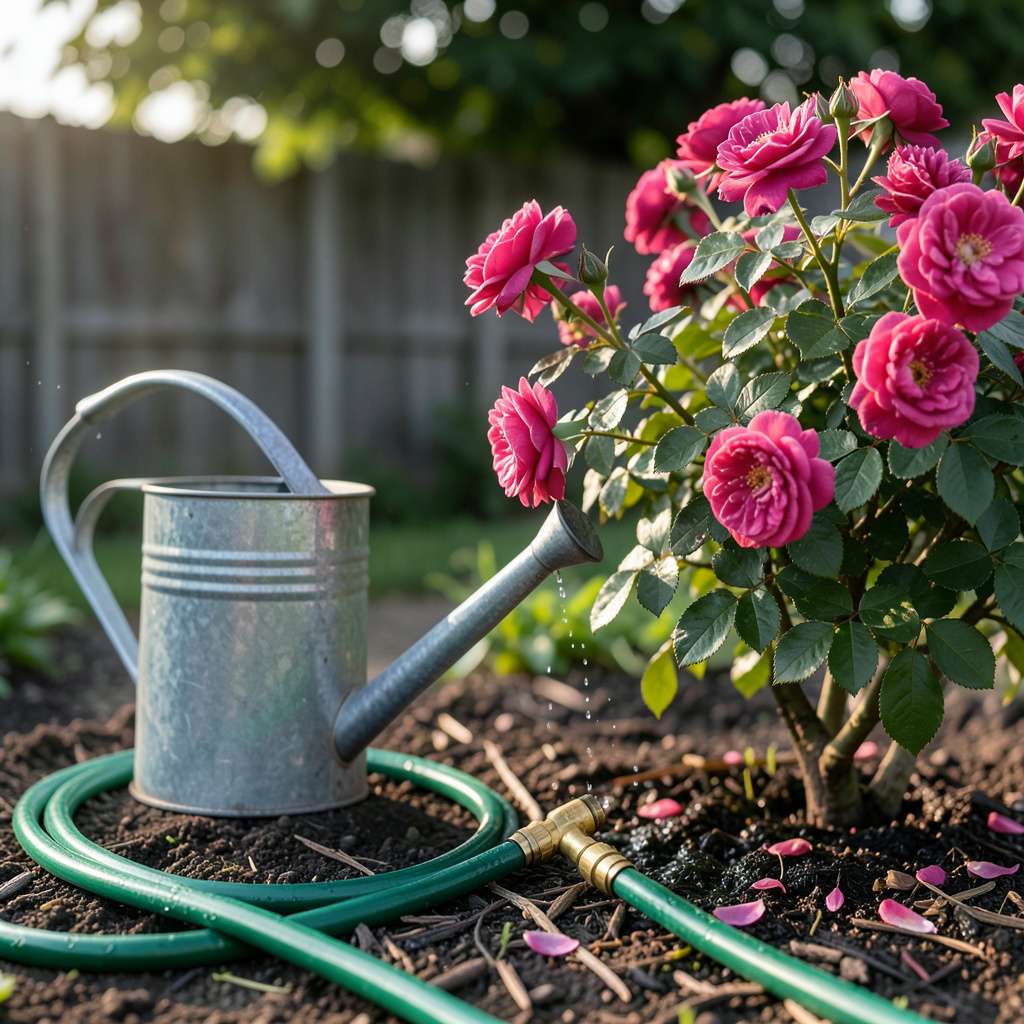
Most cut flowers last 2-5 days without water, while potted plants survive 3-7 days depending on species and conditions. Succulents and drought-tolerant varieties can endure weeks without moisture.
I’ve learned through years of gardening that a flower’s resilience comes down to its biology and environment. 🌱 Cut stems lose moisture rapidly without a water source, while potted plants with intact roots can tap into soil reserves. What surprises many is how dramatically humidity levels affect survival—roses might wilt in hours in dry air, yet last days in a humid bathroom. The real game-changers are species like jade plants or snake plants that store water in their leaves, making them nearly indestructible during short dry spells.
💡 In This Article
The difference between a flower lasting hours versus days without water often comes down to its vascular system. Cut flowers rely on capillary action through their stems—once air enters these vessels (a process called embolism), water transport stops completely.
🌿 Potted plants have roots that continue absorbing moisture from soil particles even after surface water evaporates, giving them a significant advantage. I’ve seen roses in arrangements collapse within 12 hours of being out of water, while the same variety in pots might survive 5-7 days thanks to their root reserves.
Environmental conditions dramatically accelerate dehydration. At 80°F with 30% humidity, flowers lose moisture 3-4 times faster than at 60°F with 70% humidity. This explains why bouquets last longer in cool, damp basements than sunny windowsills.
Succulents like echeveria can survive 3-4 weeks without water because their thick, waxy leaves store moisture and have tiny stomata (pores) that minimize water loss. Compare that to delicate petunias that might wilt permanently after just 24 hours in dry conditions.
The plant’s natural habitat offers clues about its drought tolerance. Desert natives like cacti and agave have evolved shallow, widespread root systems to capture rare rainfall, while tropical flowers like orchids absorb moisture from the air through specialized aerial roots.
💧 When I forget to water my snake plant for 3 weeks, it barely notices thanks to its rhizome storage system. Meanwhile, my hydrangeas start drooping after 36 hours because their large leaves transpire water rapidly.
Stem structure plays a surprising role too. Woody stems (like those on lilacs) retain moisture longer than soft stems (like tulips) because their lignified cell walls resist collapse. The cut surface area matters—flowers with porous stems (sunflowers) dry out faster than those with dense stems (carnations).
I always recut stems at a 45-degree angle to maximize water uptake surface area when reviving wilted blooms. This simple trick can add 24-48 hours to their vase life.
Soil composition creates hidden moisture reserves. Potted plants in peat-based mixes dry out faster than those in bark-heavy blends because organic matter holds water differently. A 6-inch pot might stay moist for 3 days, while the same plant in a 12-inch container could go 5-7 days between waterings.
My garden journals show that adding 20% perlite to potting mix extends drought tolerance by 2-3 days by improving drainage while retaining accessible moisture.
Here’s what most people overlook: flowers continue respiring (breathing) even when dehydrated, which consumes their stored energy. Cut flowers in warm rooms literally “starve” faster because their metabolism speeds up. 🌡️ That’s why florists recommend keeping arrangements in 60-65°F environments—cooler temps slow both water loss and respiration.
I once saved a wilted peony bouquet by moving it to the refrigerator overnight, which bought me an extra 48 hours of vase life.
Start by recutting stems at a 45-degree angle under running water. Submerge the entire stem in lukewarm water (100°F) for 30-60 minutes. For extra help, add a teaspoon of sugar to the water—this gives flowers energy to recover their structure.
Delicate blooms like tulips and peonies have soft stems that lose moisture quickly, while hardy varieties like carnations have dense stems that retain water better. Environmental factors also play a role—high heat and low humidity accelerate dehydration significantly.
Place wilted flowers in a sink or bucket with 2-3 inches of water overnight. For best results, keep them in a cool, dark place (like a basement) to slow moisture loss. Most flowers will perk up by morning if they’re not completely dried out.
Check for these irreversible signs: stems that feel mushy or snap easily, petals that turn brown/papery, or leaves that become crispy. If the main stem collapses when bent, the plant’s water transport system has failed completely.
For cut flowers, place them in the bathtub with 2 inches of water and cover with a damp towel. For potted plants, group them together in the coolest room—this creates a humid microclimate that slows moisture loss for 2-3 days.
