
Beautiful Plants For Your Interior
Beautiful Plants For Your Interior
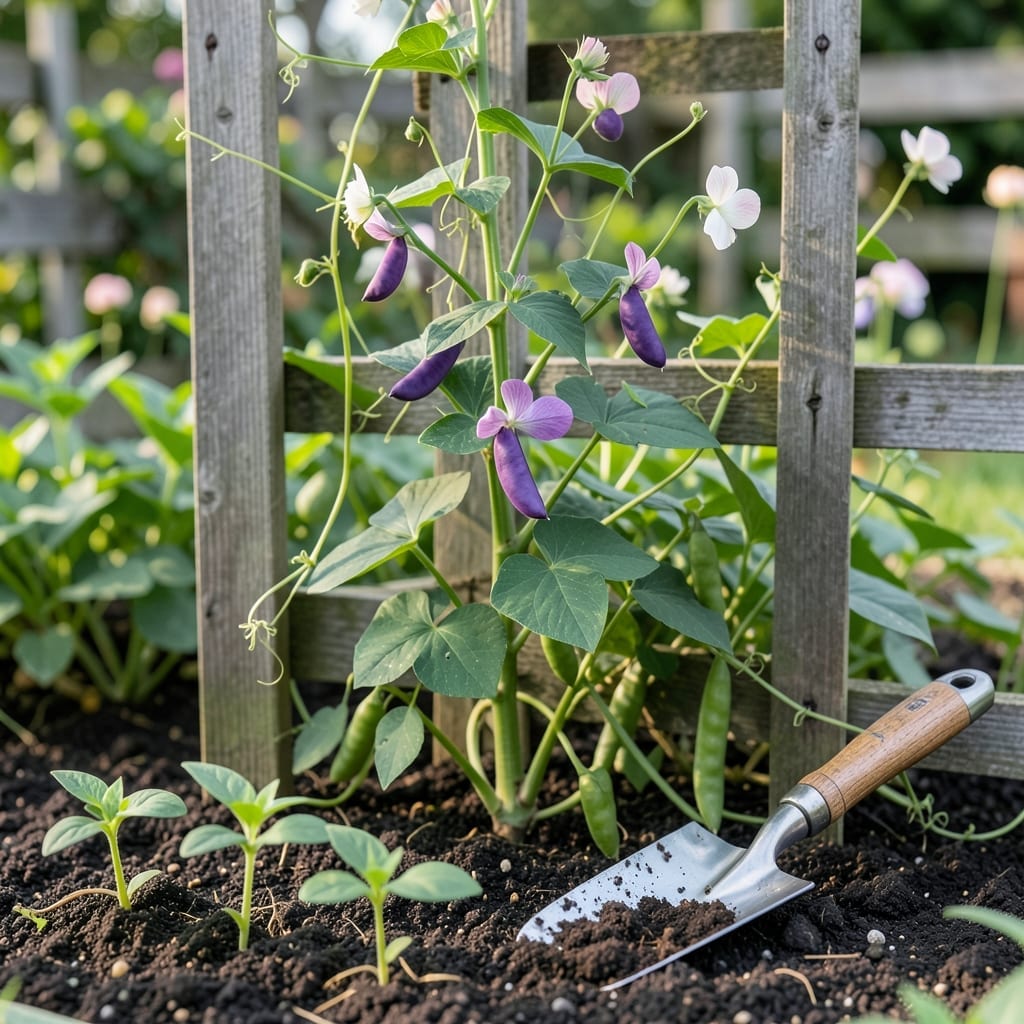
Purple hull peas are a Southern garden staple, but timing is everything—plant too late, and you risk a disappointing harvest. Here’s how to stretch the season while ensuring a bountiful yield of these sweet, nutritious legumes.
I’ve learned the hard way that 60-90 days of warm weather is the magic window for Purple Hull Peas 🌱. Push the envelope, and you might still succeed with a few smart adjustments.
Whether you’re in USDA zone 6 or further south, knowing your last frost date is the key to calculating that final safe planting moment. Don’t leave it to chance.
Discover how to beat the clock and enjoy fresh peas well into summer. Let’s make every day count in your garden.

Timing is critical when planting purple hull peas. These warm-season legumes thrive in soil temperatures above 60°F and need 60-90 days to mature before the first frost. Planting too late can mean a sad harvest.
In warmer USDA zones 7-11, you can push the planting window further. But in cooler climates, sticking to early summer ensures pods have time to develop fully before cold snaps arrive.
| Region | Last Planting Date | Days to Maturity |
|---|---|---|
| USDA Zone 7 | Early July | 60-70 days |
| USDA Zone 8 | Mid-July | 70-80 days |
| USDA Zone 9 | Late July | 70-90 days |
| USDA Zone 10-11 | Early August | 80-90 days |
For the best results, I always check the local frost dates and count backward from the first expected frost. Purple hull peas need warmth to germinate, so planting in cool soil can delay sprouting.
In Zone 7, aim to plant by early July to avoid early fall frosts. The 60-70 day varieties will give you a decent harvest before temperatures drop. In Zone 8, mid-July is your cutoff for most types.
If you’re in Zone 9 or warmer, you can plant as late as early August. The longer growing season allows for slower-maturing varieties. But even here, planting too late can lead to poor pod set.
I’ve found that using a soil thermometer helps take the guesswork out. If the soil is below 60°F, wait a few more days or use black plastic mulch to warm it up faster.
Remember, these are general guidelines. Microclimates, rainfall, and soil quality can all affect your planting window. When in doubt, start earlier rather than later.
For gardeners in cooler zones, starting seeds indoors can buy you a few extra weeks. Just be sure to harden off seedlings before transplanting to avoid shock.
No matter where you garden, consistent moisture is key for late-planted peas. Drought stress can stunt growth and reduce yields, so keep the soil evenly moist but not soggy.
By following these regional guidelines and watching your local weather, you’ll maximize your chances of a successful purple hull pea harvest, even with a late start 🌱
Planting purple hull peas late in the season doesn’t mean failure. With the right approach, you can still enjoy a bountiful harvest. I’ve found that timing and preparation make all the difference.
These heat-loving legumes need warm soil (at least 60°F) to thrive. If you’re planting late, focus on fast-maturing varieties and give them the best start possible. 🌱
If you’re in USDA zones 7-9, you can often plant until mid-summer and still get a harvest before frost. I always check the days to maturity on the seed packet and count backward from my first frost date.
For late plantings, I recommend raising beds or containers. They warm up faster and give you more control over soil conditions. Also, row covers can protect young plants from unexpected cool snaps.
One mistake I see often is planting too deep. Purple hull peas should only go 1-1.5 inches deep. Any deeper, and they’ll struggle to emerge, especially in cooler soil.
Finally, don’t forget to rotate your crops. If you planted peas in the same spot last year, choose a new location to prevent disease buildup. With these tips, you’ll maximize your chances of success. 🌿