
Beautiful Plants For Your Interior
Beautiful Plants For Your Interior
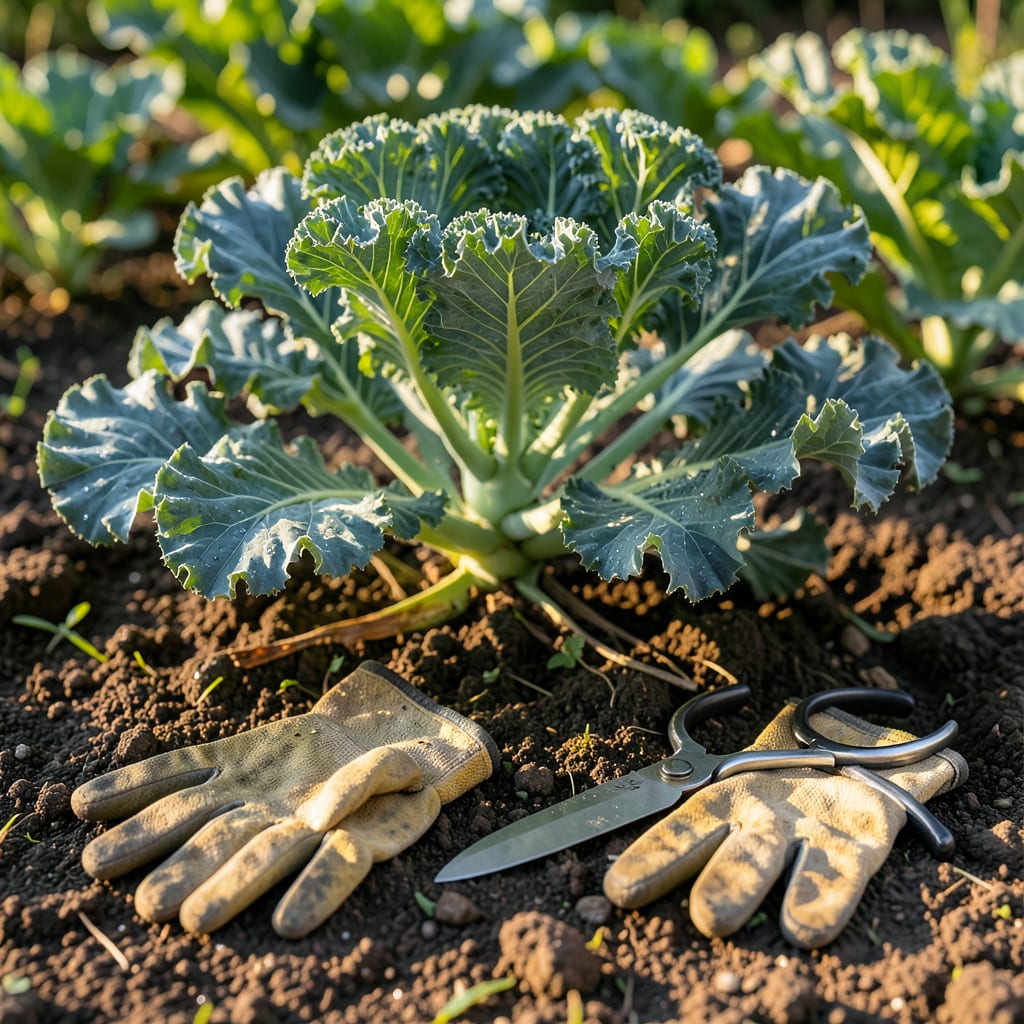
I used to think harvesting Kale 🥬 was as simple as pulling leaves off the stem – until I ended up with a sad, stunted plant. There’s a real art to doing it right.
Let me walk you through the easier way to pick those fresh, flavorful leaves without harming your plant. You’ll be enjoying continuous harvests in no time.
Harvesting kale properly ensures your plant keeps producing tender leaves all season. The key is knowing which leaves to pick and how to cut them without harming the plant’s growth center.
I always start by checking for mature outer leaves, as these are ready first while the inner leaves continue growing. This method encourages continuous production rather than a one-time harvest.
Using sharp tools is crucial to avoid jagged cuts, which can invite disease. I prefer bypass pruners for a clean snip. Always sanitize your tools before and after use to prevent spreading pathogens.
Focus on the lower, older leaves first. These are the most mature and ready for harvest. The inner leaves will continue growing, giving you multiple harvests from a single plant throughout the season.
Never remove the top central leaves, as this is where new growth originates. Cutting these can stunt the plant’s development and reduce future yields.
Avoid harvesting wilted or yellowing leaves, as these are past their prime. Instead, look for vibrant green leaves that feel firm to the touch. These will have the best flavor and texture.
If you notice pest damage on some leaves, it’s okay to harvest the unaffected ones. Just be sure to remove any heavily damaged leaves entirely to prevent the spread of pests.
After harvesting, water your kale lightly to help it recover. Consistent moisture supports new growth, especially after a harvest. I find that a morning watering routine works best for my plants. ✂️
Timing your kale harvest right makes all the difference in flavor and plant health. I’ve found that morning harvesting yields the crispest, most hydrated leaves with the best taste.
Cool morning temperatures help preserve the natural sugars in kale, making the leaves sweeter. Harvesting after dew has dried but before the heat of midday ensures optimal texture and flavor.
For the sweetest kale, harvest in the morning or after a light frost. Cold weather enhances flavor by reducing bitterness.
In spring and fall, kale thrives in cooler temperatures, making these ideal seasons for harvesting. The sweetest leaves often come after a few light frosts, which convert starches to sugars.
During summer months, kale can develop a bitter taste due to heat stress. If you must harvest in summer, do so early in the morning and choose younger leaves for better flavor.
For winter harvests, kale is remarkably cold-hardy. You can continue picking leaves until the ground freezes, but avoid harvesting when leaves are frozen or wilted.
Consistency is key—regular harvesting encourages new growth. I aim to pick leaves every 7-10 days during peak seasons to keep my plants productive and healthy. ☀️
Even experienced gardeners can make harvesting mistakes that harm their kale plants. One of the most common errors I see is over-harvesting, which stresses the plant and reduces future yields.
Another frequent issue is cutting too close to the central stem, which can damage the growth point. Always leave at least 1-2 inches of stem when harvesting leaves.
I’ve learned that harvesting wet leaves can spread disease. Always wait until dew has evaporated or after a rain before picking. This simple step prevents many fungal issues.
Another mistake is not rotating harvest areas. Always pick from different parts of the plant to allow even regrowth. This ensures your kale remains productive and balanced throughout the season.
Finally, many gardeners forget post-harvest care. After picking, give your plants a light watering and check for pests. This helps them recover and continue producing. ✂️
You can harvest every 7-10 days during peak seasons. Always leave at least 2/3 of the leaves to ensure continuous growth and a healthy plant.
Use sharp bypass pruners or clean scissors for a clean cut. Dull tools can tear stems, which invites disease and slows regrowth.
Bitterness often comes from heat stress or older leaves. Harvest in the morning and pick younger leaves for sweeter flavor, especially in summer.
Once kale bolts and flowers, leaves turn bitter and tough. Harvest before this stage or pull the plant and replant for a fresh crop.
