
Beautiful Plants For Your Interior
Beautiful Plants For Your Interior
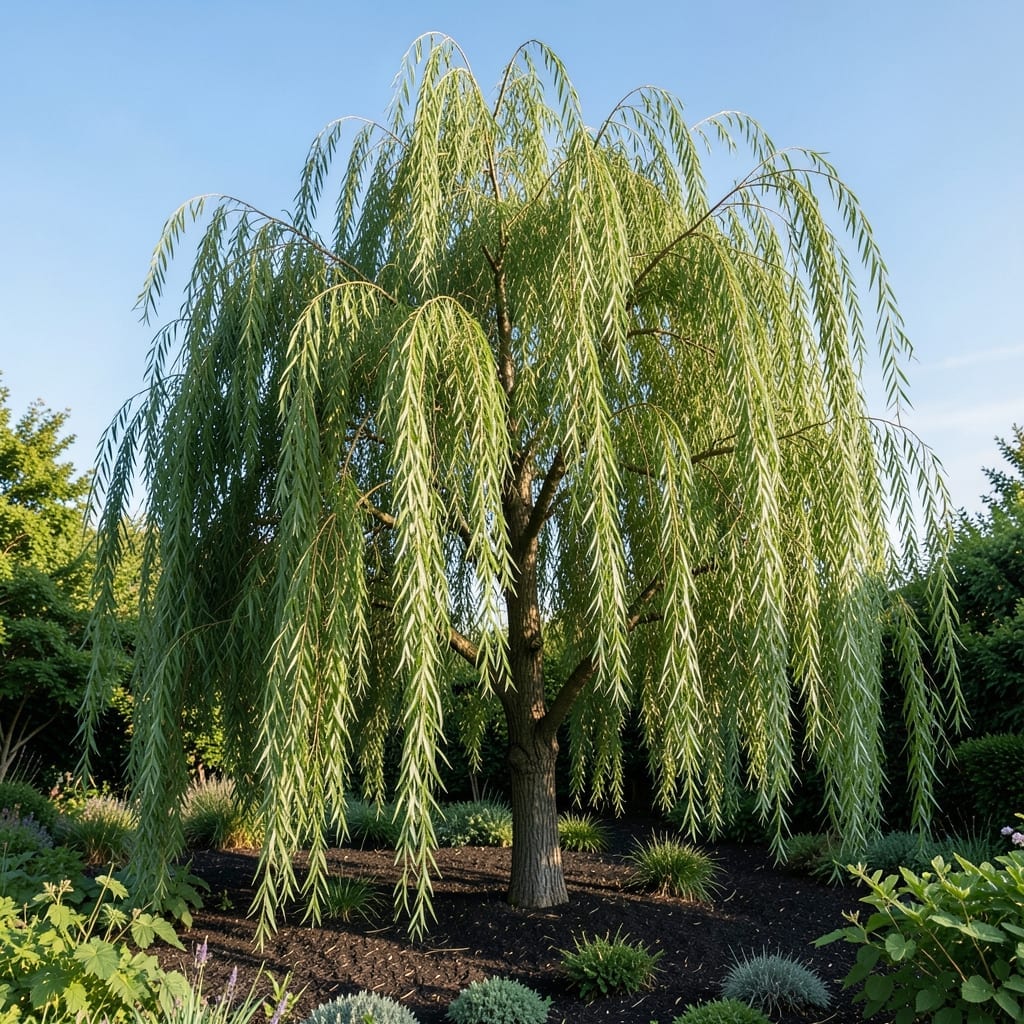
Few trees transform a landscape as quickly as the Willow Tree. Its graceful branches and lush foliage can turn a bare yard into a serene retreat in what feels like no time at all.
If you’ve ever wondered just how fast these trees grow, you’re not alone. The answer might surprise you—and help you plan your garden faster than you thought possible.
From the Weeping Willow to the Pussy Willow, each species has its own pace. Let me show you what to expect and how to give your 🌳 the best start.


If you’re planting a Willow Tree for quick shade or privacy, knowing the growth rate of your chosen species is key. Some willows can shoot up 6-10 feet in a single year, while others grow more slowly.
In my experience, Weeping Willows are the speed demons of the group, often adding 8-12 feet annually under ideal conditions. Meanwhile, Pussy Willows and Black Willows have more moderate growth rates.
| Species | Annual Growth | Mature Height |
|---|---|---|
| Weeping Willow | 8-12 ft | 30-50 ft |
| Pussy Willow | 4-6 ft | 15-25 ft |
| Black Willow | 5-8 ft | 30-60 ft |
| Corkscrew Willow | 6-10 ft | 20-30 ft |
The Weeping Willow is the fastest grower, often reaching 30 feet in just 5-7 years. This makes it perfect for creating a quick privacy screen or shade canopy.
Pussy Willows are slower but still respectably fast, adding 4-6 feet per year. They’re ideal for smaller landscapes where a more contained size is preferred.
The Black Willow strikes a balance, growing 5-8 feet annually and eventually reaching 30-60 feet. It’s a great choice for larger properties.
For a unique look, the Corkscrew Willow grows 6-10 feet per year, with its distinctive spiral branches adding visual interest to any garden.
Remember, these rates assume ideal conditions: moist soil, full sun, and proper care. Without these, growth may slow significantly.
I’ve seen Weeping Willows thrive in wet areas, while Black Willows do well in drier sites with consistent watering. Matching the species to your soil and climate is crucial.
Whether you want fast results or a more measured growth, there’s a willow species that fits your needs. Choose wisely, and you’ll enjoy its beauty for decades 🌳
While willows are naturally fast growers, several factors can either accelerate or slow their progress. As a gardener, I’ve found that soil moisture is the biggest game-changer for these trees.
Willows thrive in consistently moist soil, so planting near a water source or in an area with good drainage can make a huge difference in their annual growth.
Sunlight is another critical factor. While willows tolerate partial shade, they grow fastest in full sun. I’ve noticed my own willows put on the most growth during the longest days of summer.
Climate plays a role too. In warmer zones, willows may grow year-round, while in cooler areas, growth slows during winter. USDA Zones 4-9 are ideal for most species.
Don’t overlook pruning. While it might seem counterintuitive, proper pruning removes weak growth, allowing the tree to focus energy on stronger branches. I recommend pruning in late winter.
Finally, pest control matters. Aphids and borers can stress the tree, slowing growth. Regular inspections and organic treatments keep these issues in check.
By optimizing these factors, you can help your willow reach its maximum growth potential. It’s amazing how quickly these trees respond to good care 🌳