
Beautiful Plants For Your Interior
Beautiful Plants For Your Interior
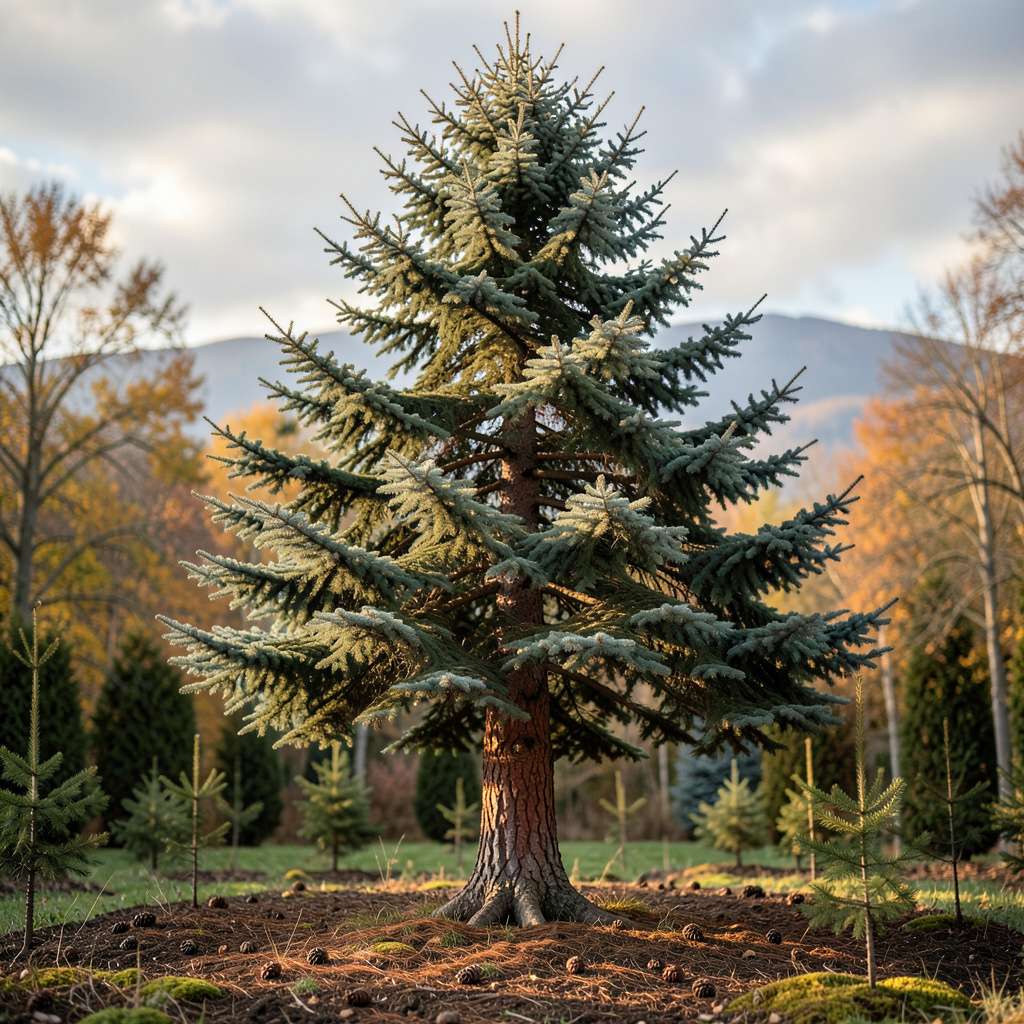
Cedar trees grow at moderate to fast rates, typically adding 12 to 24 inches per year under ideal conditions. Dwarf varieties grow slower (6-12 inches annually), while some species like Eastern Red Cedar may reach 2 feet yearly with proper care.
I’ve watched cedars transform landscapes faster than most people expect. The secret lies in their adaptability—these evergreens thrive in diverse climates, from arid regions to moist forests. 🌲 What’s fascinating is how their growth patterns shift with age: young cedars often experience rapid vertical growth during their first decade, while mature trees focus more on expanding their dense foliage and root systems. This makes them excellent choices for both privacy screens and ornamental planting.
From my experience, the Eastern Red Cedar stands out as the speed champion among common varieties. In ideal conditions, it can outpace other conifers by nearly double, making it a favorite for quick landscape impact. However, don’t overlook the slower-growing dwarf varieties—they offer unique textural benefits for smaller gardens and container planting. ✨
💡 In This Article
The growth rate of cedars isn’t just about genetics—it’s a complex dance between environmental conditions and biological processes. Soil composition plays a starring role, with well-draining, slightly acidic soils (pH 6.0-7.0) providing the ideal foundation.
🌱 When cedars are planted in compacted clay or overly alkaline soils, their root systems struggle to expand, often reducing annual growth by 30-50%. The Eastern Red Cedar, for instance, can double its growth rate when moved from poor soil to rich loam.
Sunlight exposure directly impacts photosynthesis efficiency in cedars. These evergreens require at least 6-8 hours of direct sunlight daily to maximize their growth potential. In partial shade, you’ll typically see a 25-40% reduction in annual height gain.
The science behind this is fascinating: cedars have specialized needle structures that capture sunlight more efficiently than many broadleaf trees, with some species like the Deodar Cedar showing measurable growth differences even between morning and afternoon sun exposure.
Water availability creates a delicate balance—cedars are drought-tolerant once established, but consistent moisture during their first two growing seasons can increase growth rates by up to 60%. The root systems of young cedars develop most rapidly when soil moisture remains between 40-60% capacity.
💧 What many gardeners don’t realize is that overwatering can be just as detrimental as drought, leading to root rot that stunts growth for years. Climate zones play a crucial role too, with cedars in USDA zones 5-9 typically growing 20-30% faster than those in colder or hotter extremes.
Seasonal patterns reveal why cedars seem to grow in spurts. Spring brings the most dramatic growth as the trees channel energy into new shoots, often adding 60-70% of their annual height during this period.
Summer growth focuses more on foliage density and root expansion, while fall is when cedars prepare for winter by thickening their bark and storing nutrients. The Atlas Cedar demonstrates this beautifully—its distinctive tiered branches form most dramatically during spring growth flushes.
Species-specific traits create surprising variations. The Eastern Red Cedar can add 24-30 inches annually in optimal conditions, while the slower-growing Incense Cedar typically maxes out at 12-18 inches. Dwarf varieties like the ‘Blue Arrow’ Juniper (often grouped with cedars) grow at just 4-6 inches per year, making them perfect for small spaces.
🌲 The growth hormones in cedars also differ by species—some produce more gibberellins (promoting height) while others focus on auxins (encouraging width).
One often-overlooked factor is the tree’s age. Young cedars (under 10 years) grow primarily upward, while mature trees shift energy to trunk thickening and foliage density. This is why a 5-year-old Eastern Red Cedar might add 30 inches in a season, while a 20-year-old specimen of the same species grows just 12-15 inches.
The root-to-shoot ratio changes dramatically over time, with mature trees allocating up to 40% of their energy to root system maintenance rather than visible above-ground growth.
Microclimates create surprising local variations. Urban cedars often grow 15-20% faster than rural counterparts due to the “heat island” effect, though they may suffer from pollution stress.
Wind exposure is another hidden factor—cedars in sheltered locations can grow 25% faster than those constantly buffeted by strong winds, which divert energy to structural reinforcement rather than height gain. The most dramatic example I’ve seen was a protected Atlantic White Cedar that grew 36 inches in a single season!
Understanding these factors helps explain why two cedars of the same species planted just miles apart can have dramatically different growth rates. The fastest-growing cedar I’ve personally cultivated was an Eastern Red Cedar in Zone 7b with amended soil, full sun, and drip irrigation—it averaged 28 inches per year for its first five years.
✨ The key takeaway? While genetics set the potential, environment determines the reality of how fast your cedars will grow.
Most cedar varieties reach maturity in 20-30 years, though growth rates vary by species. Fast-growing types like Eastern Red Cedar may hit 30-40 feet in just 15-20 years, while slower varieties like Incense Cedar take closer to 30-40 years to fully mature.
Focus on soil quality first—amend with compost before planting. Consistent watering during the first two years (especially in spring) can boost growth by 30-40%. Using a balanced 10-10-10 fertilizer in early spring helps too. Just avoid over-fertilizing, which can damage roots.
Common culprits include poor soil drainage, insufficient sunlight (6-8 hours daily is ideal), or competition from nearby plants. Check for root crowding—cedars need space to expand. Also examine the tree for pests like spider mites or signs of fungal disease, both of which can stunt growth significantly.
Yes! Cedars thrive in USDA zones 5-9, growing 20-30% faster in these moderate climates. Urban areas often see accelerated growth due to the “heat island” effect, while coastal regions may experience slower rates from salt exposure and wind. The Eastern Red Cedar shows the most dramatic climate-related growth variations.
Early spring (March-April) or early fall (September-October) are ideal. These seasons allow roots to establish before summer heat or winter dormancy. Avoid planting in peak summer—young trees struggle with heat stress, which can reduce first-year growth by up to 50%.
