
Beautiful Plants For Your Interior
Beautiful Plants For Your Interior
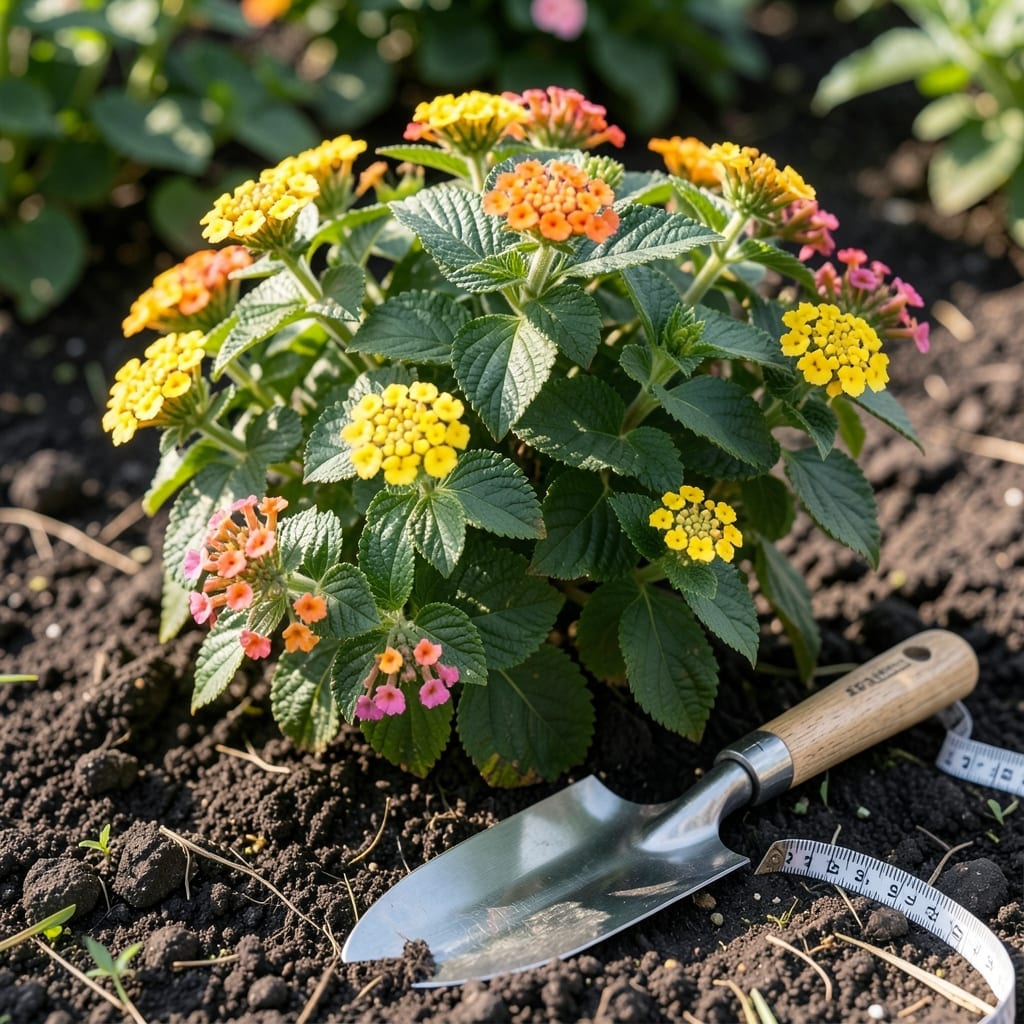
Proper spacing is the secret to vibrant, healthy 🌸 Lantana plants that burst with color all season long. Get it wrong, and you risk stunted growth or disease.
I’ve seen gardens where crowded Lantanas struggle to thrive, their blooms sparse and weak. But with the right approach, you can transform your space into a flourishing display.
Whether you’re planting in beds, borders, or containers, ideal spacing makes all the difference. It ensures air circulation, reduces competition, and maximizes each plant’s potential.
Discover how to give your Lantanas the room they need to shine—without wasting space. Let’s make your garden the envy of the neighborhood.

Getting lantana spacing right is key to a thriving garden. I’ve learned that dwarf varieties need less room than trailing types, which can spread aggressively if unchecked.
Proper spacing ensures each plant gets enough sunlight and airflow, reducing the risk of fungal diseases. It also prevents root competition for water and nutrients.
| Variety | Mature Size | Recommended Spacing |
|---|---|---|
| Dwarf Lantana | 1-2 ft tall | 12-18 inches apart |
| Trailing Lantana | 1-2 ft tall, 3-4 ft wide | 24-36 inches apart |
| Upright Lantana | 3-4 ft tall | 36-48 inches apart |
For garden beds, I recommend 18-24 inches between plants for most varieties. This gives them room to grow without looking sparse.
If you’re planting in rows, keep the spacing consistent but leave 3 feet between rows for easy access. This makes maintenance and harvesting blooms much simpler.
Container planting is different. Here, I use 1 plant per 12-inch pot or 3 plants in a 24-inch container. This prevents overcrowding and ensures healthy growth.
Remember, soil type and sunlight affect growth rates. In poor soil, plants may stay smaller, so you can space them a bit closer.
In full sun with rich soil, lantanas grow vigorously. I always err on the side of more space in these conditions to avoid future issues.
For mass plantings, like ground covers, 18-24 inches apart works well. This creates a lush, continuous display without gaps.
Finally, check your variety’s tag for specific recommendations. Some newer hybrids may have unique spacing needs that differ from traditional types.
With the right spacing, your lantanas will reward you with vibrant blooms and healthy growth all season long 🌸
Even experienced gardeners make spacing errors with lantana. I’ve seen overcrowded beds where plants struggle to thrive, their blooms sparse and weak. Proper spacing is non-negotiable for healthy growth.
Ignoring variety differences is a classic mistake. Dwarf lantanas need less room than trailing types, which can spread aggressively if given too little space.
Poor airflow from tight spacing leads to fungal diseases. I always leave extra room in humid climates to keep plants healthy and thriving.
Another common error is mismatching varieties. Planting a dwarf lantana next to a trailing type can create an uneven, messy look. Stick to similar growth habits for best results.
Container gardeners often make the mistake of overplanting. Remember, 3 plants in a 24-inch pot is the max. Any more, and you’ll sacrifice bloom quality for quantity.
Finally, neglecting future growth is a big no-no. Lantanas can double in size in a season. Plan ahead to avoid costly rearrangements later 🌸