
Beautiful Plants For Your Interior
Beautiful Plants For Your Interior
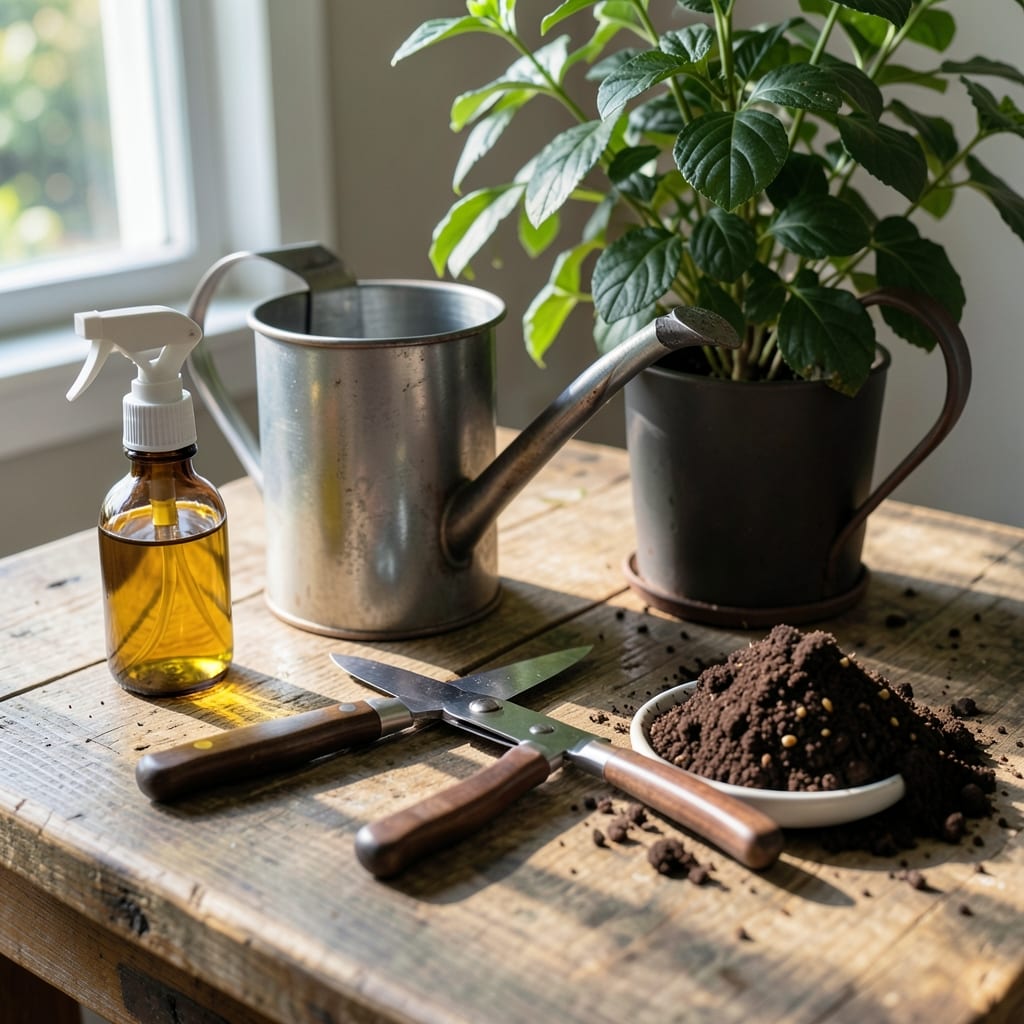
Leaf curl signals distress, but it’s fixable. I’ve nursed countless plants back to health with simple adjustments.
From pests to water stress, the cause determines the cure. You’ll see leaves unfurl within days using these organic methods.
Short list. Big impact. Most of these last for multiple treatments.
| Ingredient | Amount | Notes |
|---|---|---|
| Neem Oil 🌿 | 1 quart | Cold-pressed for best results |
| Horticultural Oil 🌿 | 1 quart | Dormant or summer weight |
| Insecticidal Soap 💦 | 1 piece | Ready-to-use spray bottle |
| Pruning Shears ✂️ | 1 piece | Sterilize between cuts |
| Watering Can 💧 | 1 piece | With adjustable nozzle |
| Compost 🌾 | 2 gallons | Well-aged organic matter |
| Mulch 🪵 | 2 gallons | Straw or wood chips |
| pH Test Kit 📋 | 1 piece | For soil analysis |
| Spray Bottle 💦 | 1 piece | For foliar applications |
| Garden Gloves 🧤 | 1 piece | Nitrile-coated for protection |
[recipeingredientscaler]
Neem and horticultural oils are your best friends here. Cold-pressed neem oil works best—look for it at garden centers or online. I grab mine from Peaceful Valley (the good stuff, not the diluted versions). pH test kits are cheap insurance; Luster Leaf makes reliable ones for under $10.
No neem oil? Insecticidal soap handles many pests causing curl. If you’re out of horticultural oil, mineral oil works in a pinch (or whatever oil you’ve got, but test on a few leaves first). Mulch can be grass clippings if that’s what you have.
Store oils in a cool dark place—they degrade in heat. Leftover compost and mulch keep for years. I label my neem oil with the purchase date; it stays effective for 1-2 years if unopened.
Here’s my organic treatment method that restores plant health without harsh chemicals.
First, put on your garden gloves and examine the plant closely. Leaf curl often starts with subtle changes—edges rolling upward or downward, or leaves appearing cupped. Use pruning shears to remove the most severely affected leaves immediately. This prevents the spread of potential pathogens and redirects the plant’s energy to healthier growth.
Sterilize the pruning shears between cuts by wiping with a cloth dipped in the insecticidal soap. This step is critical to avoid transferring any disease between plants. Discard the removed foliage in a sealed bag, not your compost pile, to prevent reinfection.
Mix 1 tablespoon of neem oil with 1 quart of water in the spray bottle. Shake well to emulsify the solution. Apply this evenly to both the upper and lower surfaces of the remaining leaves until they glisten lightly. Neem oil disrupts the life cycle of pests like aphids and mites, which are common culprits behind leaf curl.
For severe infestations, alternate with horticultural oil, using the same 1 tablespoon per quart ratio. Spray in the early morning or late evening to avoid leaf burn from the sun. Reapply every 7-10 days until the curling stops and new growth appears normal.
Use the pH test kit to check your soil’s acidity. Leaf curl can result from nutrient deficiencies caused by improper pH. If the soil is too acidic or alkaline, amend it with a handful of compost worked gently into the top 2-3 inches of soil around each plant. The compost will buffer the pH and add beneficial microbes.
Spread a 1-inch layer of mulch around the base to retain moisture and regulate soil temperature. Water deeply with the watering can 1-2 times per week, ensuring the top 1 inch of soil feels dry between waterings. Overwatering stresses roots and exacerbates leaf curl symptoms.
Check plants daily for new signs of curling or pest activity. If you notice whiteflies or aphids, spot-treat with the insecticidal soap, following the product’s dilution instructions precisely. These pests can reinfect plants quickly if not controlled.
Continue foliar applications of neem or horticultural oil every 2 weeks as a preventative. Healthy plants are less susceptible to stress-related issues like leaf curl. Within 3-4 weeks, you should see marked improvement in leaf appearance and overall plant vigor.
If you’ve prepared a natural remedy or solution to treat leaf curl, such as a neem oil spray or copper fungicide mixture, store it in an airtight container in the refrigerator. Most homemade treatments remain effective for 3-4 days when kept at 40°F (4°C) or below. Always label the container with the date to track freshness.
For longer storage, some organic treatments like herb-infused oils or concentrated garlic sprays can be frozen. Transfer the mixture to a freezer-safe container, leaving some headspace for expansion, and freeze for up to 2-3 months. Thaw in the refrigerator overnight before use to maintain potency.
Reheating isn’t typically required for liquid treatments, but if you’ve made a heat-based remedy (e.g., a warm compost tea), gently warm it to room temperature (70°F or 21°C) before application. Avoid microwaving or boiling, as excessive heat can degrade active compounds.
To preserve efficacy, keep treatments away from direct sunlight and moisture. If thawing frozen mixtures, do so slowly in the fridge to prevent separation. Pro tip: Shake or stir well before each use to ensure even distribution of ingredients.
