
Beautiful Plants For Your Interior
Beautiful Plants For Your Interior
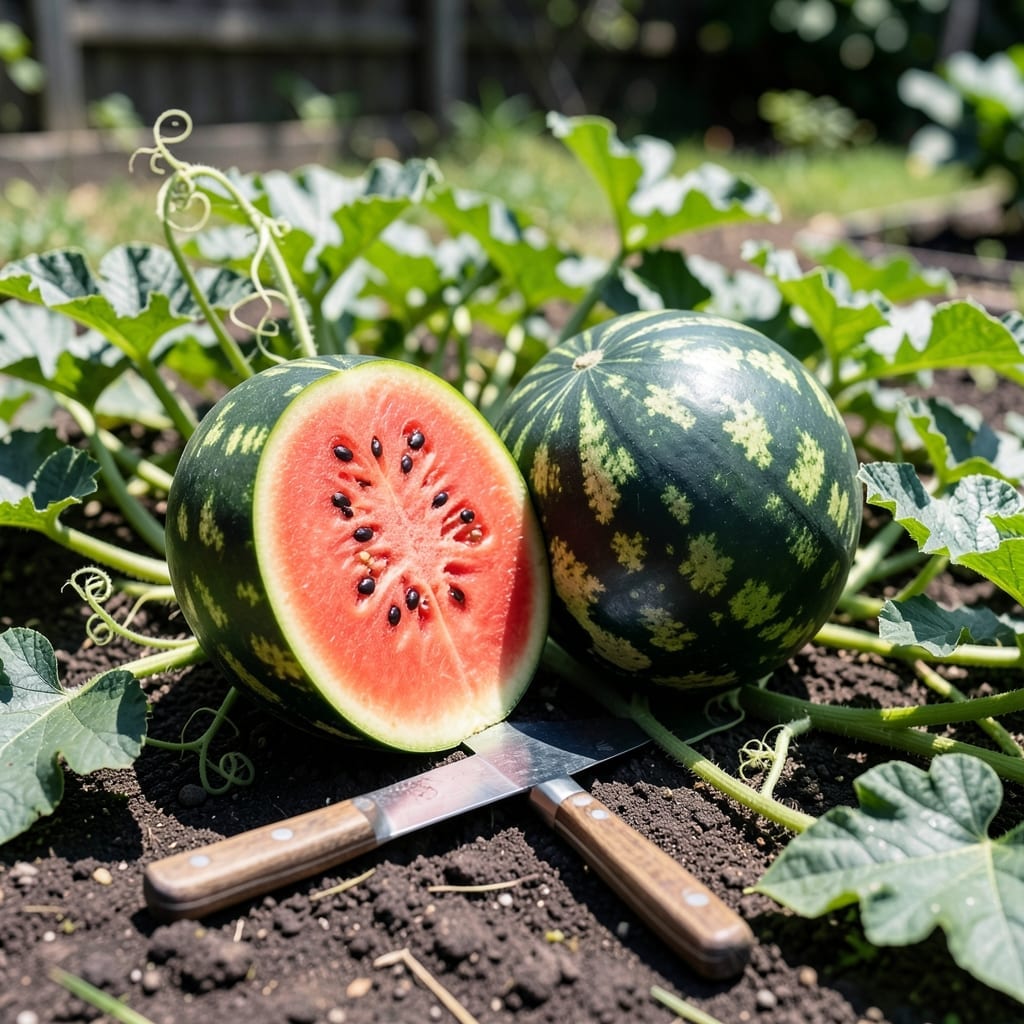
Picking a perfectly ripe 🍉 watermelon can be tricky—choose too early and it’s bland, wait too long and it’s mushy. But there’s a simple way to get it right every time.
I’ve tested countless methods in the field, and the real secret lies in a few reliable signs. These tricks will help you avoid the common mistakes that leave you with underripe or overripe fruit.
Let me walk you through the proven techniques to find that sweet spot and enjoy the best watermelon of the season.

I’ve spent years refining the best ways to test watermelon ripeness in the garden. The key is knowing what to look for, and it’s easier than you think. These methods work for all varieties, from heirlooms to seedless types.
Start by examining the ground spot—where the melon touches the soil. A creamy yellow hue means it’s ready, while white or pale green signals it needs more time.
The thump test is my go-to method. A ripe watermelon produces a deep, resonant sound when tapped, while an unripe one sounds flat or metallic. Practice makes perfect with this technique.
Next, check the tendril near the stem. When it turns brown and brittle, the melon is at peak ripeness. If it’s still green, the fruit needs more time on the vine.
Another reliable sign is the rind’s appearance. A ripe watermelon has a dull, matte finish. If it’s shiny, it’s not ready yet. The rind should also resist light scratching with your fingernail.
The weight test is often overlooked. A ripe watermelon feels heavy for its size, indicating it’s full of juice. Compare it to others of similar size to gauge.
For seedless varieties, the same rules apply, but they may take a bit longer to ripen. I’ve found they often need an extra 5-7 days compared to seeded types.
Timing matters too. Watermelons typically take 70-100 days to mature. Start checking for ripeness around day 80 for most varieties.
Finally, trust your instincts. Combine 2-3 methods for the best results. I use the ground spot, thump test, and tendril check for every melon I pick.
🌱Even experienced gardeners make simple errors when judging watermelon ripeness. The most common mistake is relying only on color—many varieties stay green even when ready to pick.
Another frequent misstep is ignoring the ground spot. This telltale area where the melon touches soil changes from white to creamy yellow when ripe, but many overlook it.
Don’t rely on color alone—some ripe melons stay green!
Avoid picking too early—wait for the tendril to turn brown.
Never skip the thump test—it’s the most reliable method.
I’ve seen gardeners pick watermelons too early in the season. Most varieties need 80-100 days to mature, so patience is key. Check the days to maturity for your specific type.
Some assume bigger is always better, but oversized melons can be overripe. Focus on the ripeness signs rather than size alone. A medium melon with the right indicators often tastes better.
Another mistake is not checking multiple indicators. Use at least two methods, like the ground spot and thump test, to confirm ripeness. I combine three for absolute certainty.
Finally, avoid harvesting after heavy rain. The excess water can dilute the sugars and make the melon taste bland. Wait a day or two after rainfall for the best flavor.