
Beautiful Plants For Your Interior
Beautiful Plants For Your Interior
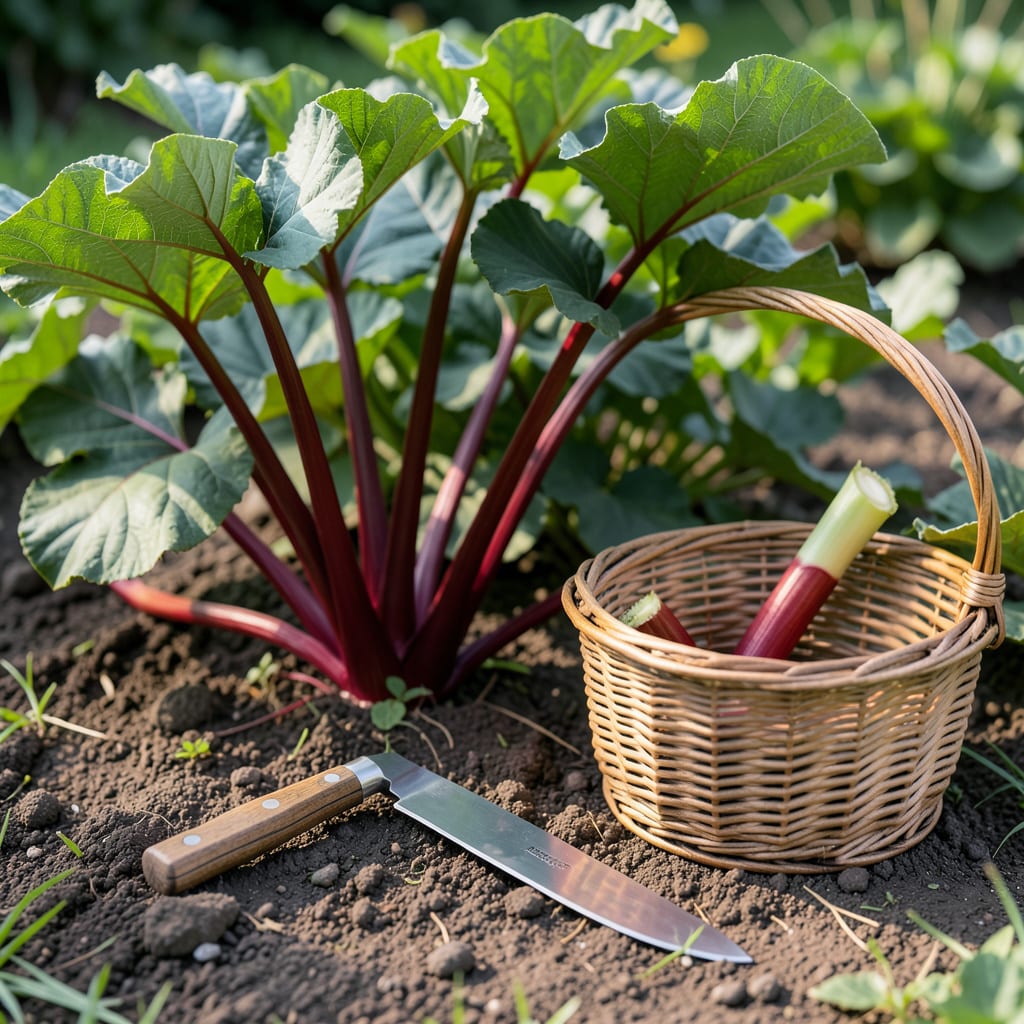
Nothing beats the tart, refreshing flavor of homegrown 🌱 Rhubarb—but picking it too early can ruin your harvest. Knowing the exact signs of readiness ensures sweet, tender stalks every time.
I’ll show you the key visual cues and seasonal timing to harvest at peak perfection. Let’s make sure your next batch is the best yet.


Timing your rhubarb harvest perfectly means watching for telltale signs. I look for stalks that are 10-15 inches long as the first indicator. This length ensures the plant has stored enough energy for a sweet, tender harvest.
Another key signal is firmness and thickness. Ready stalks should feel solid and snap cleanly when bent. Thin, floppy stalks mean the plant needs more time to mature and develop its full flavor.
| Sign | Condition |
|---|---|
| Stalk Length | 10-15 inches |
| Firmness | Snaps cleanly |
| Color | Deep red or green |
| Leaves | Fully unfurled |
Check the color of the stalks next. Most varieties turn a deep red or vibrant green when ready, but color alone isn’t enough. I always pair this with the length and firmness tests for accuracy.
The leaves provide clues too. Fully unfurled leaves indicate the plant is actively photosynthesizing and the stalks are mature. If leaves are still curled, the rhubarb isn’t ready for picking yet.
Seasonal timing matters as well. In most regions, rhubarb is ready in spring after the first year of growth. I wait until early to mid-spring for the first harvest, then continue picking through early summer.
For first-year plants, resist the urge to harvest at all. Letting the plant establish itself ensures stronger yields in subsequent years. By the second year, you can start picking a few stalks at a time.
I also consider the plant’s overall health. Healthy rhubarb has vigorous growth and multiple thick stalks. If the plant looks stressed or has few stalks, it’s best to wait and let it recover.
Finally, test one stalk if you’re unsure. Gently pull a stalk from the base—if it comes away cleanly with a satisfying snap, the rest are likely ready. If it resists or bends, give the plant another week or two.
By combining these visual and physical checks, you’ll always harvest rhubarb at its peak. This approach guarantees the best flavor and keeps your plants productive for years to come 🌱
I see too many gardeners rush their rhubarb harvest and pay the price later. Picking too early in the first growing season can weaken the plant for years. Always wait until the second year for full production.
Another critical error is cutting stalks instead of pulling them. This leaves disease-prone stubs that can harm your plant. Always grasp the stalk near the base and pull gently.
⚠️ Warning: Never harvest more than 1/3 of stalks at once. Over-picking stresses the rhubarb crown and reduces future yields.
Ignoring plant maturity is another common mistake. Young rhubarb needs 2 full years to establish strong roots before heavy harvesting. Patience now means bigger harvests later.
Many gardeners also overlook the seasonal window. Rhubarb is best picked in spring to early summer. Harvesting in late summer can weaken the plant before winter.
Finally, avoid picking seed stalks that appear in summer. These drain energy from the edible stalks and should be removed immediately to maintain plant vigor.
By steering clear of these common mistakes, you’ll ensure healthy plants and abundant harvests for years to come ✂️
When I’m checking my rhubarb patch, I use three simple tests to confirm it’s ready. These methods take seconds and ensure I never pick immature stalks that could harm the plant.
The first is the snap test. I gently pull a stalk from the base—if it snaps cleanly, it’s ready. If it bends or feels soft, I leave it for another week. This test never fails me.
The color check is my second go-to. I look for a vibrant, consistent color along the entire stalk. Pale or patchy color means the plant needs more time to mature and develop its full flavor.
For the third test, I examine the leaves closely. They should be fully unfurled and look healthy. If they’re still curled or small, I know the plant isn’t ready to give up its stalks.
These tests work together to confirm ripeness. I always use all three to be sure. With practice, you’ll recognize the signs instantly and harvest with confidence every time ✂️
No, avoid harvesting in the first year. Let the plant establish strong roots for better future yields. Picking too early can stunt growth and reduce long-term productivity
Bending stalks mean they’re not ready. Ready stalks should be firm and snap cleanly when pulled. Give them another 1-2 weeks to mature properly
Remove flower stalks immediately if they appear. Flowering drains energy from edible stalks and weakens the plant. Focus on harvesting before flowers form for best results
Harvest in the early morning when stalks are most crisp and hydrated. This ensures the best texture and flavor for your recipes
