
Beautiful Plants For Your Interior
Beautiful Plants For Your Interior
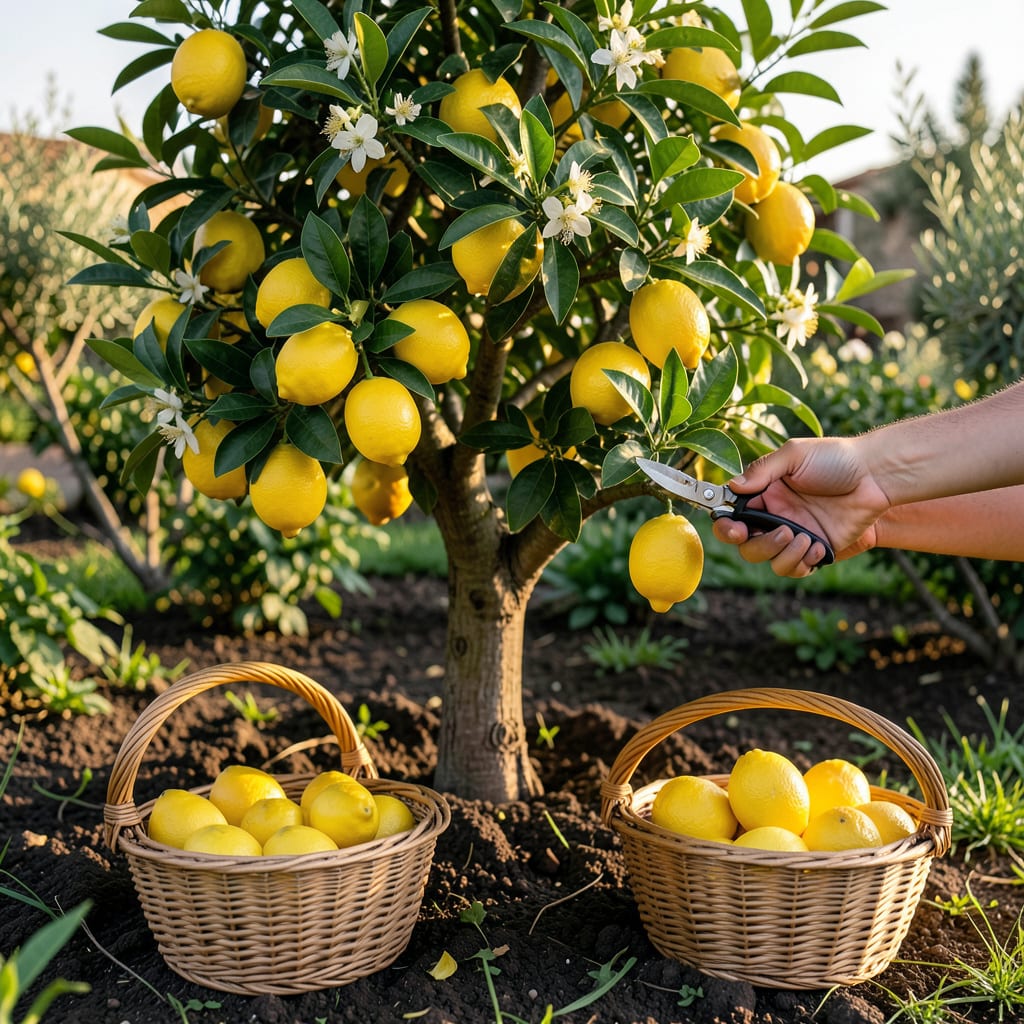
Picking lemons at the perfect moment ensures the best flavor and juice yield, but knowing exactly when they’re ripe can be tricky. The neck softening test is a gardener’s secret to harvesting 🍋 lemons at peak maturity.
I’ll show you how to use this simple method, plus other visual and seasonal cues. Never again wonder if your lemons are ready to pick.


I’ve found the neck softening test is the most reliable way to tell when lemons are ready to pick. Unlike color alone, this method checks the fruit’s maturity at the stem where it connects to the tree.
Gently hold the lemon and feel the neck area near the stem. A ripe lemon will have a slightly soft or yielding feel here, while unripe fruit stays hard. This test works for all lemon varieties and climates.
The neck softening test works because as lemons ripen, their cell walls break down near the stem. This creates the telltale soft spot that’s easy to feel with gentle pressure.
I always check lemons in the morning when the tree is hydrated. This ensures the fruit’s texture is accurate. Avoid testing after watering or rain, as excess moisture can temporarily soften unripe lemons.
For Meyer lemons, the neck may soften earlier than the skin turns fully yellow. With Eureka or Lisbon varieties, wait until both the neck softens and the color deepens to bright yellow.
If you’re unsure, test a few lemons from different branches. Ripening can vary across the tree based on sun exposure and air circulation. The neck test removes the guesswork from color variations.
In cooler climates, lemons may take longer to soften at the neck. Be patient and check weekly once the color starts changing. Rushing the harvest can mean less juice and weaker flavor.
Once you’ve confirmed the neck is soft, use clean pruning shears to snip the stem. Avoid pulling the fruit, which can damage the tree and reduce future yields. Always leave a small portion of stem attached.
I’ve saved countless lemons from being picked too early by relying on this test. It’s a simple but powerful tool every lemon tree owner should master. Practice makes perfect, and soon you’ll spot ripe lemons with confidence 🌿
While the neck softening test is my go-to method, I always cross-check with other visual cues. A fully ripe lemon will have a bright yellow color, though some varieties may retain a slight green tint.
Size matters too—mature lemons typically reach 2-3 inches in diameter. The skin should feel slightly textured rather than smooth, and the fruit will have a strong citrus aroma when held close. ☀️
I’ve found that seasonal timing plays a role too. In warmer climates, lemons may ripen year-round, but in cooler zones, expect harvests from late summer to fall. The fruit’s weight can also indicate readiness.
A ripe lemon will feel heavy for its size, a sign it’s full of juice. If the fruit separates easily from the stem with a gentle twist, it’s likely ready. Avoid picking during rainy periods, as excess moisture can dilute flavor. 🌿
Finally, taste-test one if you’re unsure. A ripe lemon will have balanced acidity and a hint of sweetness. If it’s overly bitter or sour, give the others a few more days on the tree.
Remember, lemons won’t ripen further once picked, so patience is key. When in doubt, I wait for that perfect combination of color, texture, and aroma. 🪴
Even with the neck softening test, I’ve seen gardeners make costly mistakes that ruin their harvest. The most common error is picking lemons too early, when they’re still hard and green. This results in bitter, low-juice fruit that won’t ripen further.
Another frequent misstep is waiting too long to harvest. Overripe lemons can become dry or puffy, losing their vibrant flavor. They may also drop from the tree, leading to bruised or spoiled fruit on the ground.
⚠️ Warning: Avoid harvesting lemons during rainy weather or when the tree is wet. Excess moisture can mask the true texture and lead to premature picking.
Ignoring weather conditions is another pitfall. Lemons picked in extreme heat may have reduced juice content, while those harvested in cold snaps can suffer from internal damage. Always check the forecast before harvesting.
Mishandling the fruit can also cause problems. Never pull lemons from the tree, as this can damage the branches and reduce future yields. Instead, use clean pruning shears to snip the stem carefully.
Finally, don’t assume all lemons on the tree ripen at the same time. Factors like sun exposure and branch location affect maturity. Always test multiple fruits from different areas of the tree to ensure consistent ripeness 🌿
It will yield slightly when gently pressed. A ripe lemon’s neck softens as the fruit matures, unlike the hard texture of unripe ones. This is the most reliable sign of readiness
No, green lemons are underripe and will taste bitter. Wait until they develop a bright yellow hue and pass the neck softening test. Patience ensures the best flavor
Certain varieties like Meyer lemons may retain a green tint. Always check the neck softness and aroma. If they smell strongly citrusy and feel heavy, they’re ready
Test weekly once they start changing color. In warmer climates, check every 3-4 days during peak season. Consistency is key for perfect timing
