
Beautiful Plants For Your Interior
Beautiful Plants For Your Interior
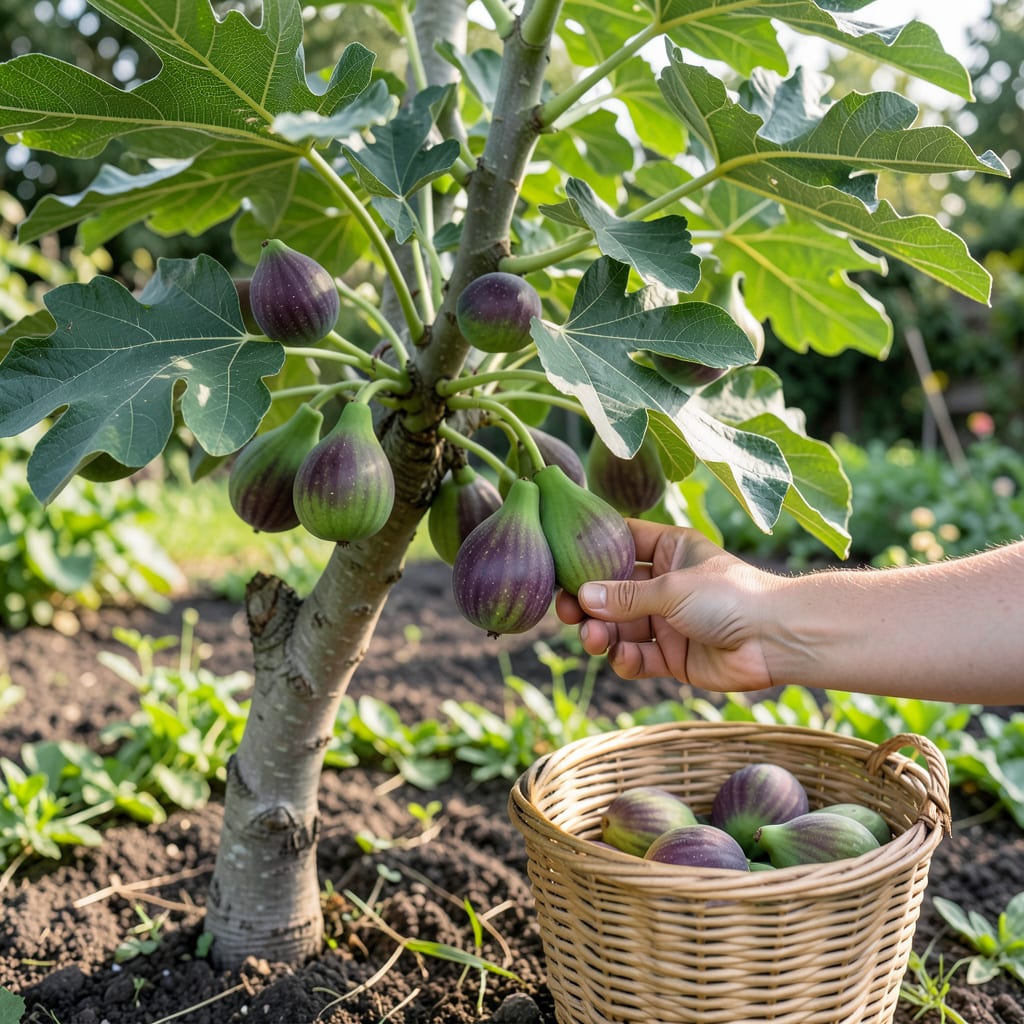
Picking figs at the perfect moment ensures the sweetest, most flavorful fruit. The 🍇 Fig won’t ripen further once harvested, so timing is everything for gardeners in zone 6a.
I’ll show you the subtle signs—like neck droop and color shifts—that signal your figs are ready. With these tips, you’ll never miss the ideal harvest window again.


I’ve found that the neck droop is the most reliable sign—when the fig’s stem bends and the fruit hangs downward, it’s nearly ready. This happens as the fruit’s weight increases with ripeness, signaling the sugars are developing.
Another clear indicator is color change. For varieties like Black Mission, the skin shifts from green to deep purple. Brown Turkey figs turn from green to a rich brown. Always check your specific variety’s expected hue.
| Sign | Description | Variety Example |
| Neck Droop | Stem bends, fruit hangs down | All varieties |
| Color Shift | Green to purple, brown, or black | Black Mission |
| Soft Texture | Gives slightly when squeezed | Brown Turkey |
| Skin Wrinkles | Near stem area wrinkles | Most varieties |
| Sweet Aroma | Fruity scent near the fig | All ripe figs |
The softness test is my go-to. Gently squeeze the fig—if it yields slightly under pressure, it’s ready. Be careful not to bruise it, as overripe figs can split or ferment on the tree.
For Celeste figs, which stay green when ripe, I look for a yellowish tint and a slightly wrinkled skin near the stem. This variety is trickier, so I always double-check by taste-testing one before harvesting the rest.
A sweet aroma at the base of the fig is another giveaway. If I can smell the honey-like fragrance from a foot away, I know it’s at peak ripeness. This is especially true for Adriatic figs, which are incredibly fragrant.
I also watch for cracking or splitting. While this can mean the fig is overripe, some varieties like Kadota naturally split when perfectly ripe. If the split is small and dry, the fig is still good to pick.
Timing matters, too. In my garden, early morning is ideal for harvesting because the fruit is cool and firm. This helps prevent bruising and extends shelf life by a day or two.
Finally, I check the stem’s connection to the fruit. A ripe fig will easily detach with a gentle twist. If I have to yank, it’s not ready. This method works for all varieties, from common black figs to heirloom types.
With these signs, I rarely pick a fig too early or too late. The key is observation and patience—figs won’t ripen further once picked, so I wait for the perfect moment. 🌳
I’ve seen many gardeners rush to harvest figs too early, only to find them hard and sour. Figs won’t ripen off the tree, so picking them prematurely ruins the flavor. Always wait for the neck droop and color change.
On the other hand, leaving figs too long can lead to overripeness. These fruits become mushy or split, attracting pests like birds and wasps. A few cracked figs are normal, but widespread splitting signals it’s time to harvest.
Weather plays a big role in ripening. After heavy rain, figs can absorb too much water and split open. I always check my trees after storms and harvest any nearly ripe figs to prevent loss.
The gentle squeeze test is my favorite way to avoid mistakes. If the fig doesn’t give at all, it’s not ready. If it’s too soft, it may be overripe. Aim for slight resistance with a hint of give.
For Celeste figs, which stay green, I look for a yellow tint and wrinkles near the stem. Without these signs, they’ll taste starchy and bland. Patience pays off with this variety.
Finally, don’t ignore the stem connection. A ripe fig will twist off easily. If it resists, wait another day or two. This simple test prevents many harvesting errors and ensures sweet, perfect figs every time. 🌿
I always harvest my figs in the early morning when temperatures are cool and stable. This is when the fruit is firmest and least likely to bruise during picking. The dew has evaporated by then, but the heat hasn’t set in yet.
Another reason I prefer morning harvesting is that the sugars are most concentrated after the cooler night hours. This gives the figs their peak sweetness and flavor. Plus, the fruit is less likely to split when it’s not overheated.
I always use sharp pruning shears or simply twist the fig gently from the stem. This prevents damage to the tree and ensures a clean break. Avoid pulling, as this can harm both the fruit and the branch.
After picking, I place the figs in a single layer in a shallow container. Stacking them can cause bruising or crushing, especially with softer varieties. For immediate consumption, I leave them at room temperature for a few hours to enhance sweetness.
For storage, I refrigerate figs within 2-3 hours of picking. They’ll keep for 1-2 weeks this way, though they’re best enjoyed fresh within a few days. Never wash them until ready to eat, as moisture speeds up spoilage. 🌿
The neck droop happens as the fruit fills with sugar and water, making it heavier. This causes the stem to bend, signaling peak ripeness. It’s nature’s way of saying “I’m ready!”
No, upright figs are underripe and will taste hard and sour. Always wait for the neck to droop and the fruit to soften slightly. Patience ensures the sweetest flavor.
For varieties like Celeste that stay green, look for a yellow tint and slight wrinkles near the stem. Gently squeeze—it should give slightly. A sweet aroma confirms it’s ready.
Rain can cause figs to absorb too much water and split. Harvest nearly ripe ones immediately after storms to prevent cracking and pest attraction.
