
Beautiful Plants For Your Interior
Beautiful Plants For Your Interior
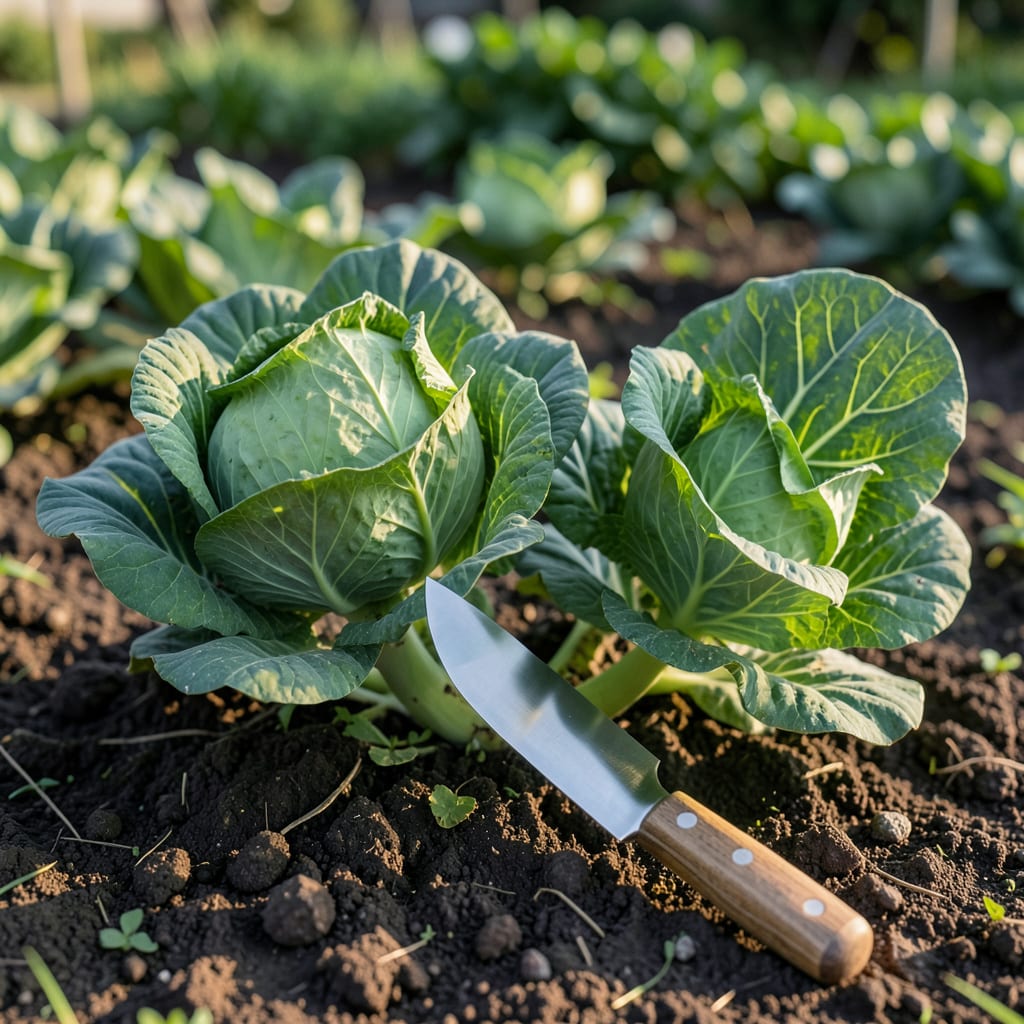
Harvesting Cabbage 🥬 at the perfect time ensures the best flavor and texture. Picking too early or too late can ruin your hard-earned crop.
I’ll show you the simple signs to look for, from head firmness to size. With these tips, you’ll confidently know when your cabbage is ready to pick.


Knowing when to pick cabbage ensures you get the best flavor and texture. The key is watching for maturity signs like firmness and size.
I always check the head firmness first—it should feel dense and solid when squeezed gently. Soft or spongy heads need more time to develop.
| Sign | Description |
|---|---|
| Firm Head | Feels hard and dense when pressed |
| Size | 6-8 inches for most varieties |
| Leaf Splitting | Outer leaves may crack or split |
| Days to Maturity | 60-90 days from transplant |
The size of your cabbage matters too. Most green cabbage varieties are ready at 6-8 inches across, while red cabbage may be slightly smaller.
Another clear sign is leaf splitting. When the outer leaves start to crack or separate, it often means the head is mature and ready for harvest.
I also pay attention to the days to maturity. For most cabbage, this is 60-90 days after transplanting. Check your seed packet for variety-specific timelines.
The stem at the base of the head should be thick and sturdy. A thin stem often indicates the cabbage isn’t fully mature yet.
If the head feels loose or spongy, it’s not ready. Give it a few more days and check again for firmness and size.
Savoy cabbage may have a slightly different texture, but the same firmness test applies. Press gently—it should feel solid and compact.
Timing also depends on the weather. In cooler climates, cabbage may take a bit longer to mature. Warmer weather can speed up growth.
Once you’ve confirmed these signs, grab a sharp knife and cut the head at the base. Leave a few outer leaves to protect the cabbage until you’re ready to use it.
Even experienced gardeners can make mistakes when harvesting cabbage. One of the most common is picking too early, which results in loose, underdeveloped heads.
Another frequent error is waiting too long. Overmature cabbage can split open or become tough, reducing both flavor and storage life.
Picking cabbage at the wrong time can ruin your crop. Watch for these common errors:
I’ve also seen gardeners use dull tools that crush the stem instead of making a clean cut. Always use a sharp knife or pruners for a smooth harvest.
Ignoring the weather forecast is another mistake. Harvesting cabbage in wet conditions can lead to rot. Aim for a dry, sunny day to pick your crop.
Some gardeners forget to check the stem. A thin or weak stem often means the cabbage isn’t ready. The base should be thick and sturdy before cutting.
Lastly, overlooking the variety-specific maturity time can lead to mistakes. Always refer to your seed packet for the exact days to maturity for your cabbage type.
By avoiding these common errors, you’ll ensure a successful harvest every time ✂️
Once you’ve harvested your cabbage, proper storage is key to maintaining its freshness and crisp texture. The first step is to remove any loose or damaged outer leaves.
For short-term storage, place the whole head in the refrigerator. It will stay fresh for 1-2 weeks if kept in a plastic bag or wrapped in damp paper towels.
A root cellar is ideal for long-term storage. In cool, humid conditions, cabbage can last 3-4 months. Just ensure the heads are dry and undamaged before storing.
For even longer preservation, consider freezing your cabbage. First, blanch the leaves in boiling water for 1-2 minutes, then cool in ice water before freezing in airtight bags.
Another great option is fermentation. Freshly harvested cabbage is perfect for making sauerkraut or kimchi. Start the process within a few days of picking for the best results.
Always inspect your stored cabbage regularly and remove any heads that show signs of spoilage or softening ☀️
It should feel firm and dense when gently squeezed. If it feels loose or spongy, it needs more time to mature.
Most varieties are ready at 6-8 inches across. Check your seed packet, as some types like red or Savoy may vary slightly in size.
Yes, overmature heads can split open or become tough. Harvest as soon as it reaches maturity to avoid bitter flavor or reduced storage life.
Aim for a dry, sunny morning. This helps prevent rot and ensures the heads stay fresh longer after harvesting.
