
Beautiful Plants For Your Interior
Beautiful Plants For Your Interior
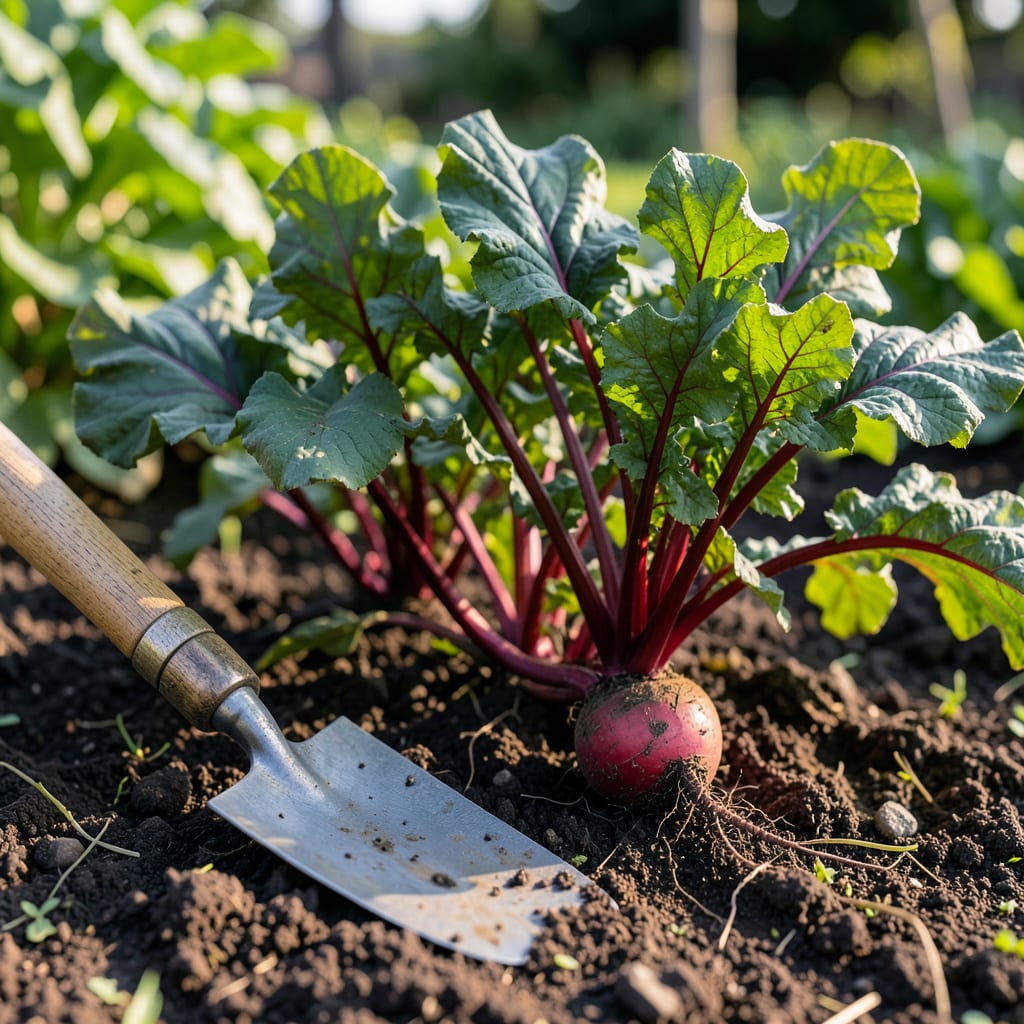
Harvesting Beetroot 🍠 at just the right moment can feel like solving a garden mystery. But those subtle soil-level clues are easier to spot than you think.
I’ll show you exactly what to look for above and below ground. From shoulder protrusion to perfect size, you’ll never second-guess your harvest timing again.


Timing your beetroot harvest perfectly ensures the best flavor and texture. I look for shoulders peeking above the soil as the first clear sign they’re nearing maturity.
The ideal size for most varieties is a 1-3 inch diameter. Anything smaller lacks sweetness, while larger roots can turn woody and tough.
| Sign | Description |
|---|---|
| Shoulder Protrusion | Top of root visible 1-2 inches above soil |
| Root Diameter | Ideal size is 1-3 inches wide |
| Color | Deep, rich hue indicates maturity |
| Foliage | Healthy 6-8 inch leaves above ground |
| Texture | Firm but tender when gently pressed |
I check the growth timeline too. Most beetroot varieties take 50-70 days from seed to harvest, depending on the specific type and growing conditions.
Early varieties like ‘Detroit Dark Red’ may be ready in as little as 50 days, while larger storage beets often need the full 70 days to reach peak size.
The shoulder check is my favorite method. When the top of the beet starts pushing through the soil, it’s a sure sign the root is developing nicely below the surface.
I also look at the leaf size and vigor. Healthy beetroot plants typically have 6-8 inch leaves when roots are nearing harvest size. Wilted or yellowing leaves can indicate over-maturity.
For the most accurate check, I gently brush away soil around the base of a plant to expose the top of the root. This lets me assess both size and color without disturbing the plant too much.
Remember that smaller beets (about 1 inch in diameter) are perfect for tender baby beets, while 2-3 inch roots offer the best balance of sweetness and texture for most culinary uses.
Weather plays a role too. A light frost can actually sweeten beetroot, while prolonged heat can make them tough. I time my harvests accordingly, especially in regions with temperature fluctuations.
With these visual and physical cues, you’ll always know exactly when your beetroot is at its peak for harvesting.
I use a few non-destructive methods to check if my beetroot is ready. The first is the soil brush technique, where I gently sweep away dirt to see the root’s shoulder.
This lets me check the color and size without uprooting the plant. I look for a deep, rich hue and a diameter of at least 1 inch for baby beets or 2-3 inches for full maturity.
The finger test is another simple way to gauge readiness. I press my fingers into the soil near the plant’s base to feel the root’s size and firmness through the dirt.
A mature beetroot should feel solid but slightly tender. If it feels hard or woody, it might be overripe. If it feels too soft, it may need more time.
I also use the sample harvest method. I pull 1-2 beets from different parts of the row to check their size and taste. This gives me a good idea of the overall crop’s readiness.
If the sample beets are sweet and tender, the rest are likely ready. If they’re still small or lack flavor, I give the others a few more days.
These methods help me harvest at the perfect time without guessing or disturbing the entire crop.
Even experienced gardeners can misjudge the perfect harvest window for beetroot. I’ve learned the hard way that waiting too long is the most common mistake that turns sweet, tender beets into tough, fibrous ones.
Beetroot left in the ground past maturity quickly becomes woody and bitter. The ideal harvest time is when roots reach 1-3 inches in diameter—larger than this often means they’ve passed their prime.
⚠️ Warning: Overgrown beetroot loses its sweetness and develops a tough texture. Harvest at 50-70 days for best results.
Harvesting too early is another pitfall. Baby beets smaller than 1 inch may lack the full, sweet flavor that makes beetroot so delicious. I always check for shoulder protrusion and deep color before pulling.
Weather conditions can trick you too. While a light frost can sweeten beetroot, prolonged heat can make them stringy and tough. I monitor the forecast and adjust my harvest timing accordingly, especially during summer heatwaves.
Finally, ignoring the leaf health can lead to poor timing. Yellowing or wilted leaves often signal that the roots are over-mature and need immediate attention. Healthy 6-8 inch leaves are a better indicator of prime harvest time.
Avoiding these mistakes ensures your beetroot stays tender and flavorful every time.
Most varieties are perfect at 1-3 inches in diameter. Smaller than 1 inch lacks sweetness, while larger roots may turn woody. Baby beets can be harvested earlier if preferred.
Yes! Gently brush soil from the base to expose the shoulders. Look for deep color and feel for firmness through the soil. A sample harvest of 1-2 beets confirms readiness.
Overgrown beetroot becomes tough and fibrous. Roots larger than 3 inches often lose sweetness and develop a woody texture. Harvest within 50-70 days for best results.
Healthy 6-8 inch leaves signal maturing roots. Yellowing or wilted foliage can mean over-maturity, while small leaves may indicate underdeveloped beets.
