
Beautiful Plants For Your Interior
Beautiful Plants For Your Interior
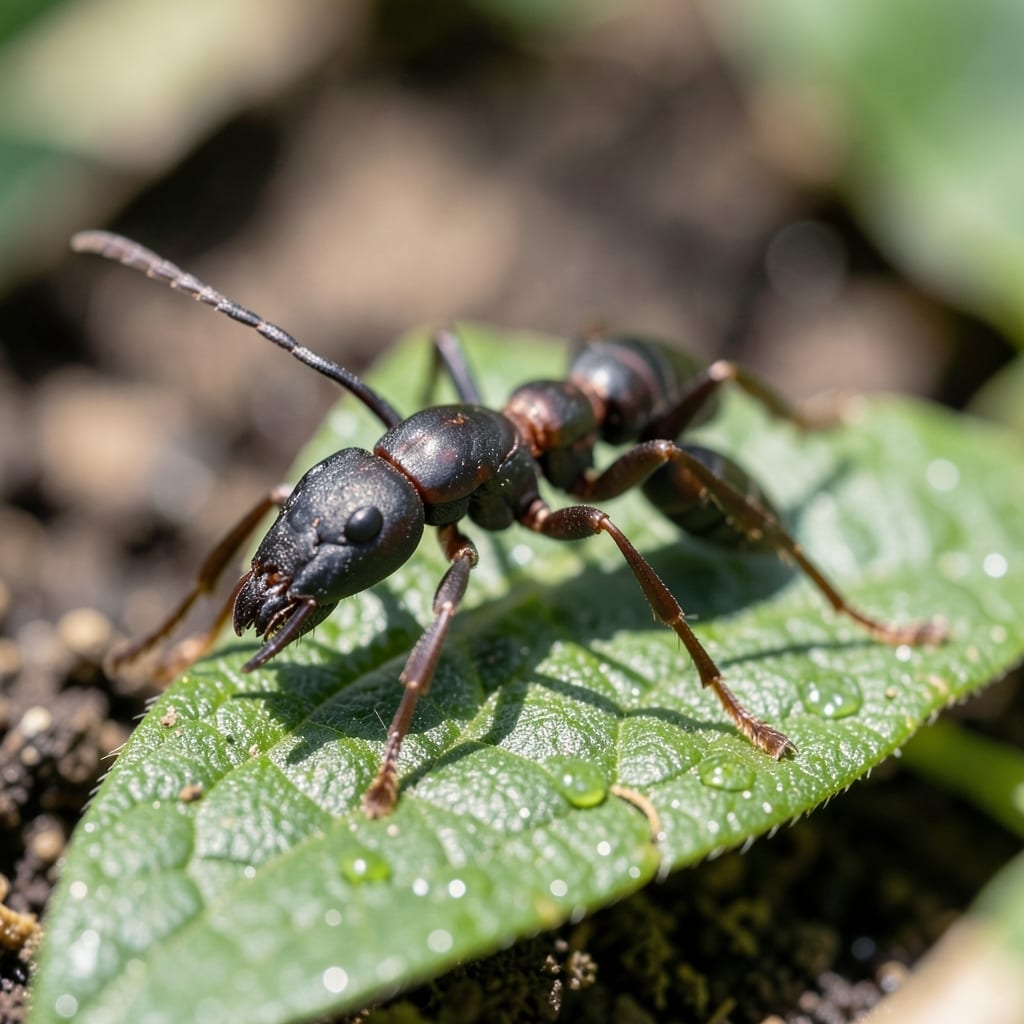
I first noticed them marching through my kitchen last spring. Carpenter ants don’t just annoy—they damage wood over time, turning your home into their personal construction site.
Here’s the thing—these pests don’t actually eat wood. They excavate it to build nests, which means they’re likely already established somewhere damp and hidden in your space.
Natural solutions work if you know where to look. A little detective work and the right approach can send them packing without harsh chemicals.
You’ll reclaim your space and sleep better knowing they’re gone for good. Let’s track them down.
Understanding why carpenter ants take up residence in your home is the first step to evicting them for good. These pests don’t eat wood like termites—they excavate it to build nests. Here’s what lures them in and keeps them around:
Carpenter ants thrive in damp environments. Leaky pipes, poor drainage, or water-damaged wood create the perfect nesting conditions. Soft, rotting wood is easier for them to tunnel through, so fixing moisture issues (like repairing roof leaks or improving ventilation in crawl spaces) removes their primary incentive.
These ants are omnivorous scavengers. They’re drawn indoors by protein-rich foods (meat, pet food) and sugary substances (honey, syrup, fruit). Even crumbs or unsealed trash can sustain a colony. Keeping kitchens clean and storing food in airtight containers cuts off their supply.
Cracks in foundations, gaps around windows, or damaged siding provide entry points. Carpenter ants often nest in hollow doors, window frames, or porch columns, especially if the wood is already compromised. Sealing these openings and replacing water-damaged wood disrupts their ability to settle in.
Before they move indoors, carpenter ants may nest in dead trees, stumps, or firewood stacks near your home. If these are close to your structure, it’s only a matter of time before they explore further. Removing dead wood and storing firewood at least 20 feet away from your house reduces the risk.
Carpenter ants can be stubborn, but targeting their root causes with these fixes will help you reclaim your home.
Leaky pipes, damp wood, or poor ventilation attract carpenter ants. Fix leaks immediately and use a dehumidifier in basements or crawl spaces. Replace water-damaged wood and ensure proper drainage around your home’s foundation. Prevention tip: 💡 Seal cracks in walls and roofs to keep moisture—and ants—out.
Carpenter ants love sweets, meats, and pet food. Store food in airtight containers and clean up spills or crumbs right away. Take out trash regularly and keep pet bowls clean. Prevention tip: 🎯 Wipe down counters with vinegar (ants dislike the smell) to deter them from returning.
Inspect wooden structures (decks, fences, window frames) for soft or hollow-sounding wood—a sign of nests. Replace or treat affected wood with boric acid or insecticidal dust. For outdoor wood, use pressure-treated lumber or apply a wood preservative. Prevention tip: ✨ Regularly check and maintain wooden areas to catch infestations early.
Ants enter through tiny cracks in walls, doors, or utility lines. Caulk gaps around windows, pipes, and wires. Install door sweeps and repair torn screens. Prevention tip: 🌡️ Apply diatomaceous earth along entry points—it’s a natural barrier that dehydrates ants.
If you spot frass (sawdust-like droppings) or hear rustling in walls, ants may be nesting indoors. Use ant baits (protein or sugar-based) near trails to lure workers back to the nest, poisoning the colony. For outdoor nests, pour soapy water into entry holes to kill ants on contact. Prevention tip: 🔪 Trim tree branches and shrubs touching your home to limit access points.
Moisture and food are the top draws. Leaky pipes or damp wood create perfect nesting spots, while crumbs, pet food, or unsealed trash provide easy meals.
Look for piles of frass (sawdust-like droppings) near windows, doors, or wood structures. Follow ant trails at night when they’re most active.
Yes! Vinegar, diatomaceous earth, and soapy water can kill ants on contact. Baits with boric acid or sugar work well for colonies.
It depends on the infestation size. Small nests may clear in 1-2 weeks with baits, while larger colonies can take a month or more.