
Beautiful Plants For Your Interior
Beautiful Plants For Your Interior
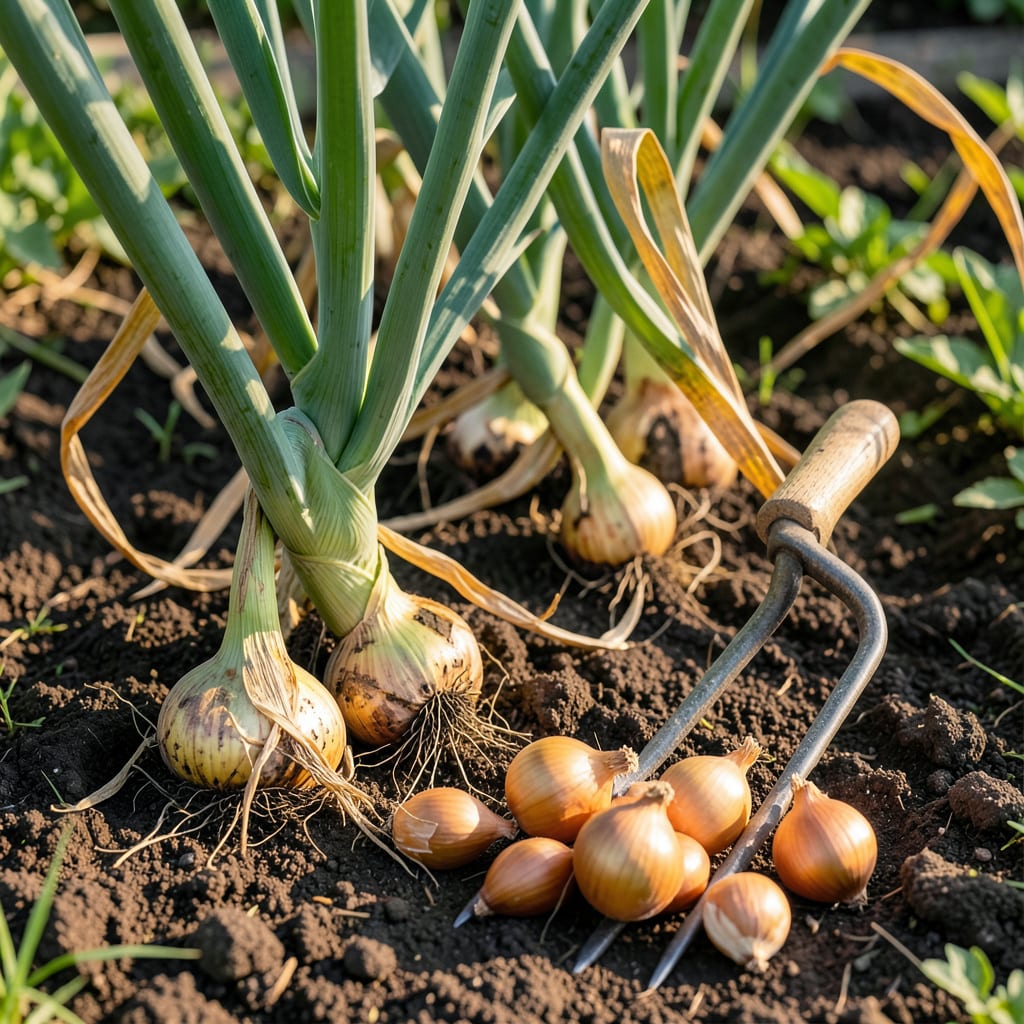
I remember standing in my garden, staring at my 🧅 Onion patch and wondering if they were ready. That uncertainty ends today. There are clear signs to look for that take the guesswork out of harvesting.
When the tops turn yellow and start falling over, that’s your first clue. I’ll show you the other unmistakable indicators and the perfect conditions for picking to ensure your crop stores well and tastes amazing.


I’ve found that the most reliable sign is when the tops yellow and begin to fall over. This natural process signals that the onion bulb has stopped growing and is ready for harvest. Don’t rush it—patience pays off here.
The necks soften and start to dry out as the onions mature. This drying process is crucial for long-term storage, so I always check for this before pulling them from the soil.
Another clear indicator is when the outer skin becomes dry and papery. I gently brush away the soil to check this. If it feels like crinkly paper, the onion is likely ready to be harvested.
I also pay attention to the bulb size. Most onion varieties reach mature size between 70 to 120 days after planting. If the bulbs match the expected size for the variety, it’s a good sign they’re ready.
It’s important to stop watering your onions about 1 to 2 weeks before harvest. This helps the outer layers dry properly, which is essential for storage life. I’ve learned this the hard way—wet bulbs don’t store well.
If the tops are still green and upright, the onions aren’t ready yet. I check for thick, juicy necks as another sign they need more time. The necks should be soft and shriveled when fully mature.
I always harvest on a dry, sunny day to make curing easier. Wet conditions can lead to rot or mold, which ruins the crop. If rain is forecasted, I’ll wait for a clearer day to pull them up.
For sweet onion varieties, I harvest a bit earlier, when the tops are just starting to yellow. These don’t store as long, so I use them fresh from the garden within a few weeks.
Once harvested, I let the onions cure in a warm, dry place for about 1 to 2 weeks. This final step ensures they’ll store well and last for months. Proper curing is just as important as picking at the right time. 🌱
I always check my onion patch in the early morning when the soil is cool and the plants are firm. This timing helps prevent bruising the delicate bulbs during harvesting.
Using a garden fork or hand trowel, I gently loosen the soil around each plant before pulling. This reduces tugging resistance and protects the root system from damage.
I never pull onions by their tops alone, as this can snap the stems and leave the bulbs in the ground. Instead, I grasp the base of the leaves and lift slowly.
After harvesting, I brush off excess soil but avoid washing the bulbs. Wet onions are more prone to rot during the curing process, which is critical for storage.
I always harvest on a dry, sunny day to give my onions the best start for curing. This helps the outer skins dry properly and prevents mold growth.
Finally, I spread the harvested onions in a single layer in a shady, airy spot. This allows them to dry evenly before storage. ✂️
I always start by checking the weather forecast before harvesting. A dry, sunny day is ideal because it helps the outer skins begin drying immediately, which is crucial for storage.
Once the tops have fallen over and the necks are soft, I use a garden fork to gently lift the onions from the soil. This prevents damage to the bulbs and ensures a clean harvest.
I avoid washing the onions after harvesting, as moisture promotes rot. Instead, I brush off excess soil and let them cure naturally. This step is non-negotiable for long-term storage.
For sweet onions, I shorten the curing time to 1 week since they have a higher water content. They’re best used quickly, so I prioritize these for fresh eating.
Finally, I store my cured onions in a cool, dry place with low humidity. Properly cured and stored onions can last up to 6 months, giving me homegrown flavor year-round. ☀️
If tops are still green and upright, the onions need more time. Wait until at least 50-80% of tops have yellowed and flopped naturally. Forcing harvest early results in smaller, less flavorful bulbs.
Stop watering 1-2 weeks before harvest. This helps the outer layers dry properly, which is essential for storage. Wet bulbs at harvest time are prone to rot during curing.
If tops have completely dried and bulbs have split open, they’re overmature. Harvest immediately to prevent spoilage. These won’t store well but can be used fresh right away.
Avoid harvesting during rain or when soil is soggy. Wait for a dry, sunny day to prevent mold and ensure proper curing. Wet conditions at harvest reduce storage life significantly.
