
Beautiful Plants For Your Interior
Beautiful Plants For Your Interior
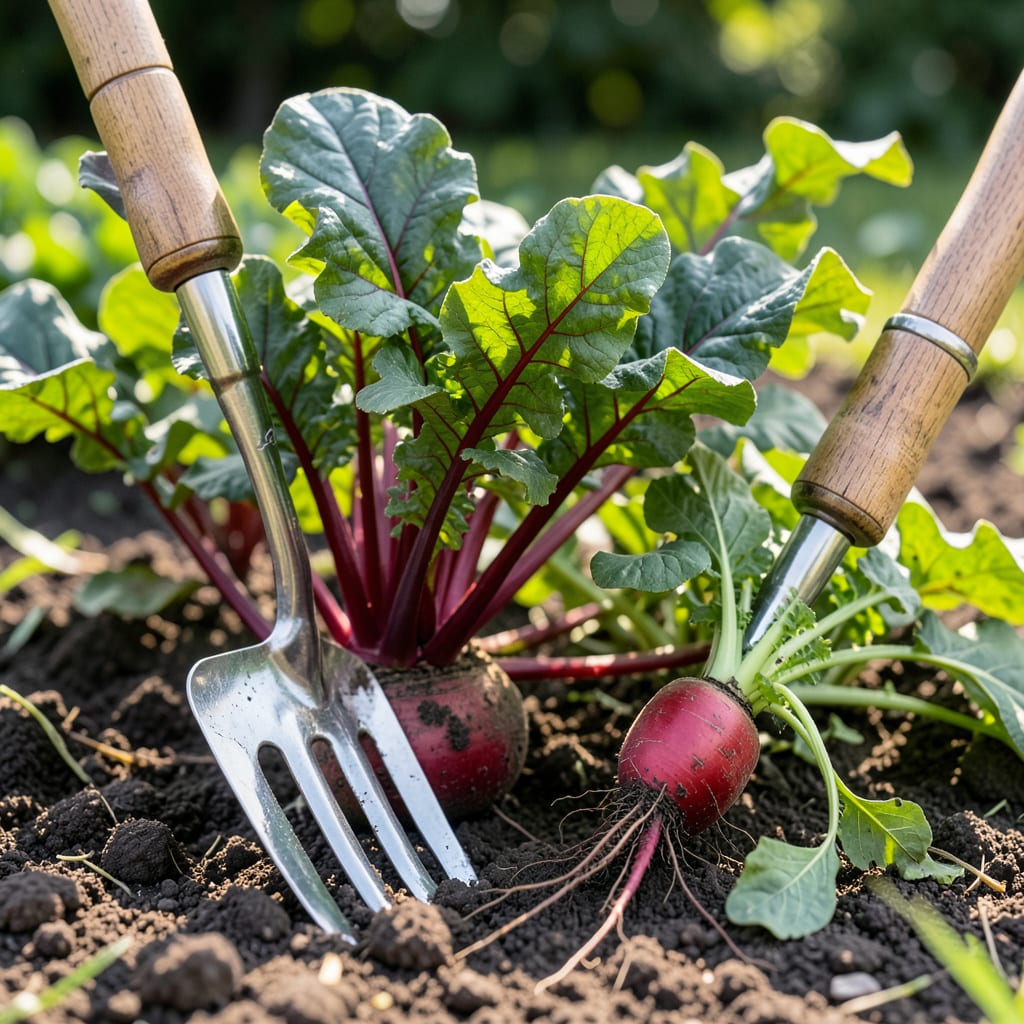
Nothing beats the satisfaction of pulling fresh 🍠 Beetroot from your garden, but knowing the perfect harvest time can be tricky. Miss the window, and you might end up with tough, woody roots.
I’ll show you the key signs to look for—from size to soil clues—that guarantee sweet, tender beets every time. Let’s dig into what works.


Timing is everything when it comes to harvesting beetroot. The most reliable sign is the root size—aim for 1-3 inches in diameter for the best flavor and texture. Anything smaller may lack sweetness.
I always check for the shoulders of the beet peeking above the soil. When the top of the root becomes visible, it’s a clear signal that your beets are nearing maturity and ready to be pulled.
| Sign | Description |
|---|---|
| Shoulders Above Soil | Top of the root becomes visible |
| Root Size | 1-3 inches diameter for ideal tenderness |
| Foliage | Lush green leaves indicate healthy growth |
| Skin Texture | Smooth and firm skin signals readiness |
Another handy trick is the leaf test. When the foliage is full and vibrant, your beets are likely ready. If the leaves look sparse or yellow, the roots may still need more time to develop.
The soil resistance test is simple but effective. Gently tug on the green tops—if the root holds firm, it’s not quite ready. If it gives slightly, it’s time to harvest.
For baby beets, you can start harvesting as soon as they reach 1 inch in diameter. These are perfect for tender, quick-cooking meals and have a sweeter, more delicate flavor.
If you’re growing main crop beets, wait until they reach 2-3 inches for the best balance of sweetness and texture. Larger beets can become woody if left too long in the ground.
Always check the skin condition before harvesting. A rough or cracked surface means the beet is overmature and past its prime. Smooth skin is a sure sign of perfect readiness.
I recommend harvesting in the early morning when the soil is moist. This makes pulling the roots easier and reduces the risk of damage to the plant or the beet itself.
Finally, remember that beetroot varieties can differ slightly in maturity time. Early varieties may be ready in 50-60 days, while main crops can take 70-80 days. Always refer to your seed packet for specific guidance.
With these signs in mind, you’ll never miss the perfect harvest window again. Happy gardening! 🌱
Not all beetroot varieties mature at the same rate. Early varieties like ‘Babybeat’ are ready in 50-60 days, while main crop types such as ‘Detroit Dark Red’ need 70-80 days to reach peak flavor.
Your local climate and soil also play a big role. Warmer temperatures speed up growth, while cooler conditions slow it down. I’ve found that well-draining, fertile soil helps beets mature faster and taste sweeter.
| Variety | Maturity Time | Ideal Harvest Size |
|---|---|---|
| Early Varieties | 50-60 days | 1-2 inches |
| Main Crop | 70-80 days | 2-3 inches |
| Baby Beets | 30-40 days | 1 inch or less |
For baby beets, you can start checking as early as 30-40 days. These tiny roots are incredibly tender and perfect for quick pickling or roasting. I love harvesting a few at this stage for an early taste.
Full-size beets benefit from staying in the ground a bit longer. If you’re growing for storage, wait until they reach 2-3 inches in diameter. This size gives the best balance of sweetness and texture for long-term keeping.
Climate impacts can’t be ignored. In cooler regions, beets may take an extra week or two to mature. In hotter areas, they might be ready sooner but can turn woody if left too long.
I always recommend checking your seed packet for specific guidance. It’ll give you the most accurate timeline based on the variety you’re growing. And remember, consistent moisture is key to even growth.
With these timing tips, you’ll harvest at the perfect moment every time. 🌱
Harvesting beetroot at the wrong time is a common mistake that can ruin your crop. Waiting too long leads to tough, woody roots that lose their sweetness and tenderness.
On the other hand, pulling them too early means you’ll miss out on the full flavor and size. I’ve seen many gardeners harvest underdeveloped beets thinking they’re ready, only to find they lack depth in taste.
⚠️ Warning: Avoid damaging roots by pulling too hard. Use a garden fork to loosen soil first, then gently lift the beets to prevent breakage.
Another mistake is ignoring soil conditions when harvesting. Dry, compacted soil makes it harder to pull beets without snapping the stems or roots. I always water the bed the day before to soften the earth.
Don’t overlook the size indicators either. Beets left to grow beyond 3 inches often become fibrous. Stick to the 1-3 inch range for the best texture and flavor.
Finally, avoid harvesting during the hottest part of the day. The stress can affect the plant and the quality of your harvest. Early morning is ideal when temperatures are cooler and the soil is moist.
With these tips, you’ll avoid the pitfalls and enjoy perfect beets every time. 🌱
Harvest when roots reach 1-3 inches in diameter for the best flavor and texture. Smaller beets may lack sweetness, while larger ones can turn woody.
Yes, the shoulders of the beet (top of the root) should protrude slightly above soil level. This is a clear sign they’re nearing maturity and ready to pull.
Gently tug on the green tops. If the root gives slightly, it’s ready. If it holds firm, wait a few more days.
Beets left beyond 3 inches often become tough and fibrous. Stick to the 1-3 inch range for tender, sweet roots.
