
Beautiful Plants For Your Interior
Beautiful Plants For Your Interior
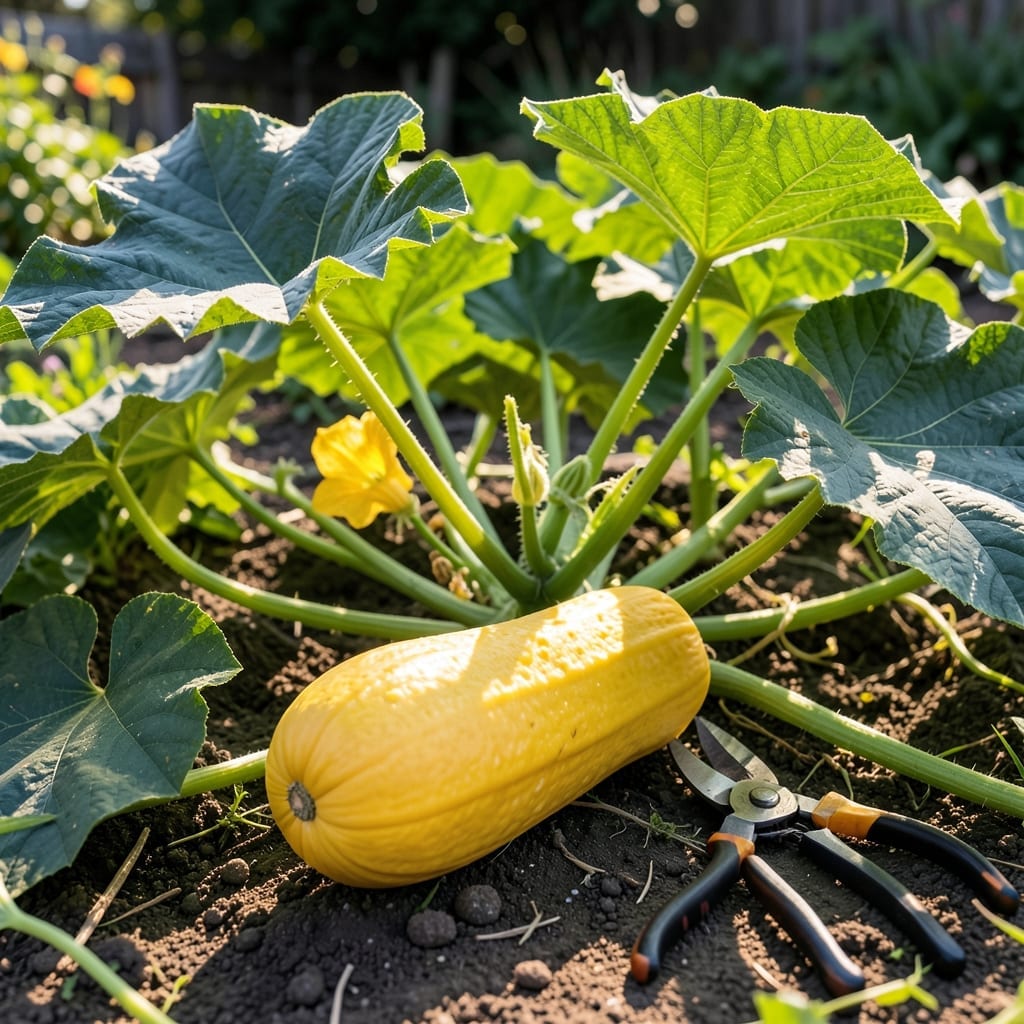
Picking a perfectly ripe 🎃 Spaghetti Squash can feel like solving a mystery with its hard exterior hiding all the clues. But don’t worry—there are clear signs that reveal when it’s ready.
I’ll show you exactly what to look for, from color shifts to the telltale hardness of the rind. No guesswork, just reliable methods to ensure sweet, stringy perfection.
Discover how to test for ripeness without cutting it open, so you can harvest at just the right moment every time.
Identifying a ripe spaghetti squash starts with its color transformation. As it matures, the rind shifts from pale green to a deep golden yellow or vibrant orange hue.
This color change is your first visual clue, but don’t rely on color alone. The rind hardness and stem condition are equally important for confirming ripeness.
| Sign | Description |
|---|---|
| Color | Deep yellow or orange rind |
| Rind Hardness | Cannot be punctured by thumbnail |
| Stem Condition | Dry, woody, and brown |
| Vine Health | Vines begin to die back |
The thumbnail test is my go-to method for checking rind hardness. Press your thumbnail into the rind—if it resists penetration, the squash is likely ripe.
Another key indicator is the stem. A ripe spaghetti squash will have a dry, brown stem that feels woody to the touch. If the stem is still green or moist, the squash needs more time.
Watch for the vines dying back as another sign. When the plant’s vines start to wither and turn brown, it’s often a signal that the squash is nearing full maturity.
Don’t forget to check the underside of the squash. It should be a consistent color with no green patches, which would indicate it’s not fully ripe yet.
If you’re growing multiple squash, compare them to spot the ripest ones. The deepest colored with the hardest rinds are usually ready first.
Timing also matters. Spaghetti squash typically takes 80 to 100 days to mature from planting, so keep track of your planting date for a rough estimate.
Finally, trust your senses. A ripe squash will feel heavy for its size and have a hollow sound when tapped lightly with your knuckles.
By combining these visual and tactile cues, you’ll never harvest an underripe spaghetti squash again 🌱
The thumbnail test is my favorite way to check ripeness. Press your thumbnail firmly into the rind—if it doesn’t leave a mark, your squash is ready.
For a more auditory approach, try the tap test. Gently knock on the squash with your knuckles—a hollow sound means it’s ripe, while a dull thud suggests it needs more time.
I always check the stem condition too. A ripe squash will have a dry, brown stem that feels hard and woody. If it’s still green or flexible, leave it on the vine a bit longer.
Combine these tests for best results. A hard rind, hollow sound, and dry stem together confirm your spaghetti squash is at peak ripeness.
Don’t rush the process. Picking too early results in underdeveloped flavor and strings that won’t form properly. Patience pays off with sweeter, more satisfying results.
Remember, these tests work best when the squash has already shown visual ripeness signs like deep color. Use all your senses for the most accurate assessment.
With these simple tests, you’ll confidently harvest at the perfect time every season 🌱