
Beautiful Plants For Your Interior
Beautiful Plants For Your Interior
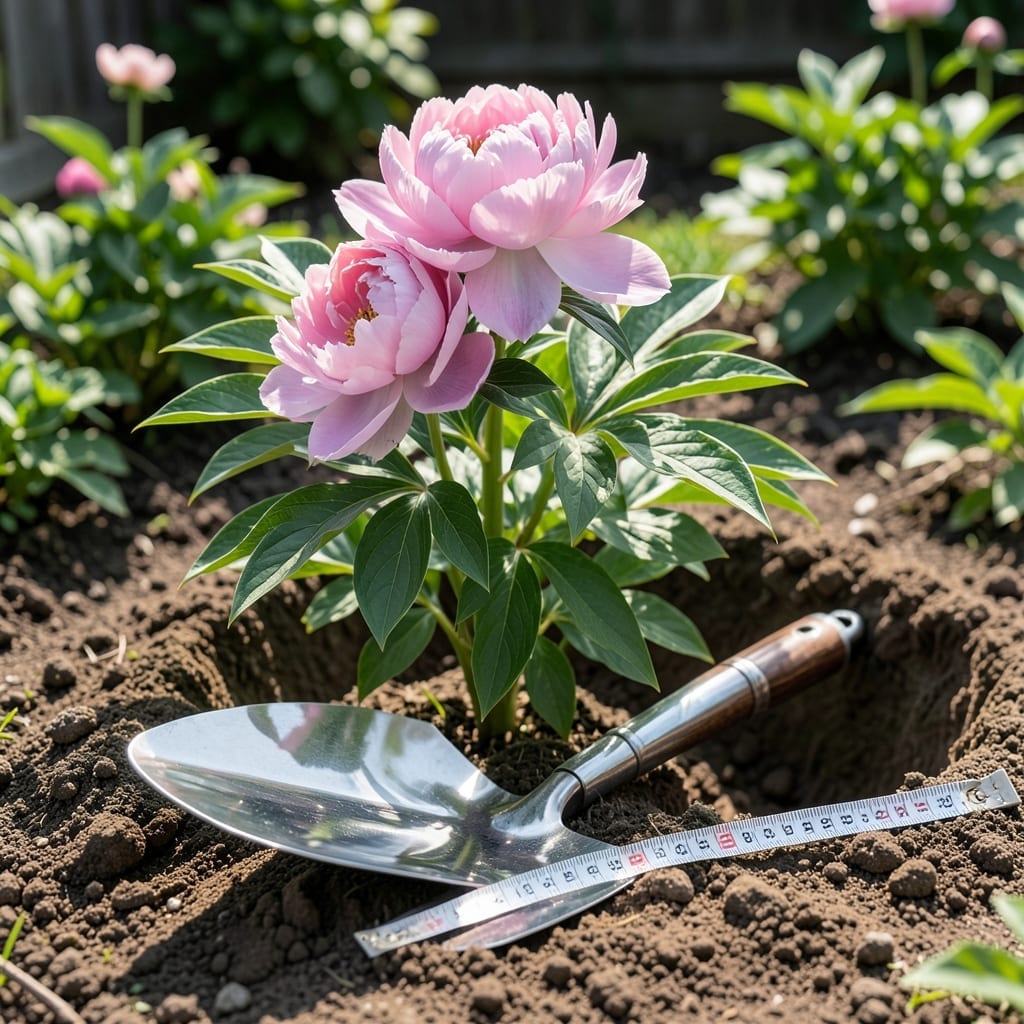
Planting peonies at the correct depth is the secret to years of lush, vibrant 🌸 blooms—get it wrong, and you might end up with weak stems or no flowers at all.
I’ve seen too many gardeners struggle with their peonies simply because they didn’t start right. The depth you choose now determines your success for seasons to come.
Whether you’re planting in zones 3-8 or just getting started, this guide will show you exactly how to nail the perfect depth. No more guessing or hoping for the best.
Discover the simple but critical steps that make all the difference for healthy, thriving peonies year after year.

Getting the planting depth right is the most critical factor for healthy peonies. Too deep, and your peony tubers may struggle to sprout. Too shallow, and they risk winter damage or weak growth. I’ve seen it firsthand in my garden!
The ideal depth for herbaceous peonies is 1.5 to 2 inches below the soil surface. This ensures the “eyes” (buds) are just covered, promoting strong stems and abundant blooms year after year.
| Peony Type | Planting Depth | Key Notes |
|---|---|---|
| Herbaceous | 1.5–2 inches | Eyes just below soil |
| Tree Peony | 3–4 inches | Deeper for stability |
| Itoh (Intersectional) | 2–3 inches | Hybrid vigor needs balance |
For tree peonies, I plant the graft union about 3 to 4 inches deep. This extra depth protects the graft from cold snaps and gives the plant a sturdy foundation as it grows taller.
Itoh peonies, being a cross between herbaceous and tree types, thrive at a middle depth of 2 to 3 inches. This balances their herbaceous roots with their woody stems, ensuring the best of both worlds.
I always mark the planting spot with a stick or stone to avoid accidentally digging too deep. A ruler or tape measure is your best friend here for precision. Consistency across your garden ensures uniform blooming and healthy growth for all peonies.
If your soil is heavy clay, consider planting 1 inch shallower to prevent waterlogging. In sandy soil, you might go 1 inch deeper to retain moisture. Always adjust for your conditions while staying close to these guidelines.
After planting, I water deeply to settle the soil and eliminate air pockets. This helps the roots establish quickly. A 2-inch layer of mulch can also help, but keep it away from the stems to prevent rot.
Remember, fall planting is ideal for peonies, giving them time to establish roots before winter. If planting in spring, do it as early as possible to avoid heat stress on the new growth.
With the right depth and care, your peonies will reward you with decades of stunning blooms. It’s a small effort for a lifetime of beauty in your garden 🌸.
I see many gardeners struggle with peony planting depth, often burying tubers too deep. This leads to fewer blooms or weak stems that flop over. The eyes (growth buds) must be no deeper than 2 inches beneath the soil surface.
Planting too shallow can expose peony roots to freezing temperatures, especially in cold climates. Both extremes stress the plant, reducing its ability to thrive and produce those gorgeous flowers we love so much.
⚠️ Watch Out: Planting Depth Pitfalls
Too deep: No flowers or weak growth. Too shallow: Frost damage in winter. Always check eye placement before backfilling soil.
If your peonies aren’t blooming after 2-3 years, depth is often the culprit. Dig them up in early fall and check the tuber position. You’ll often find they’ve settled too deep or were planted incorrectly initially.
Another common mistake is not accounting for soil settling. After planting, the soil may sink, lowering your peonies. I always plant them ½ inch higher than recommended to compensate for this natural process.
For tree peonies, the rules differ slightly. Their graft union must be 4-6 inches below the soil to prevent frost damage and encourage strong root development from the scion.
Remember, proper depth ensures strong roots, healthy stems, and abundant blooms. Take the time to measure twice and plant once for the best results.