
Beautiful Plants For Your Interior
Beautiful Plants For Your Interior
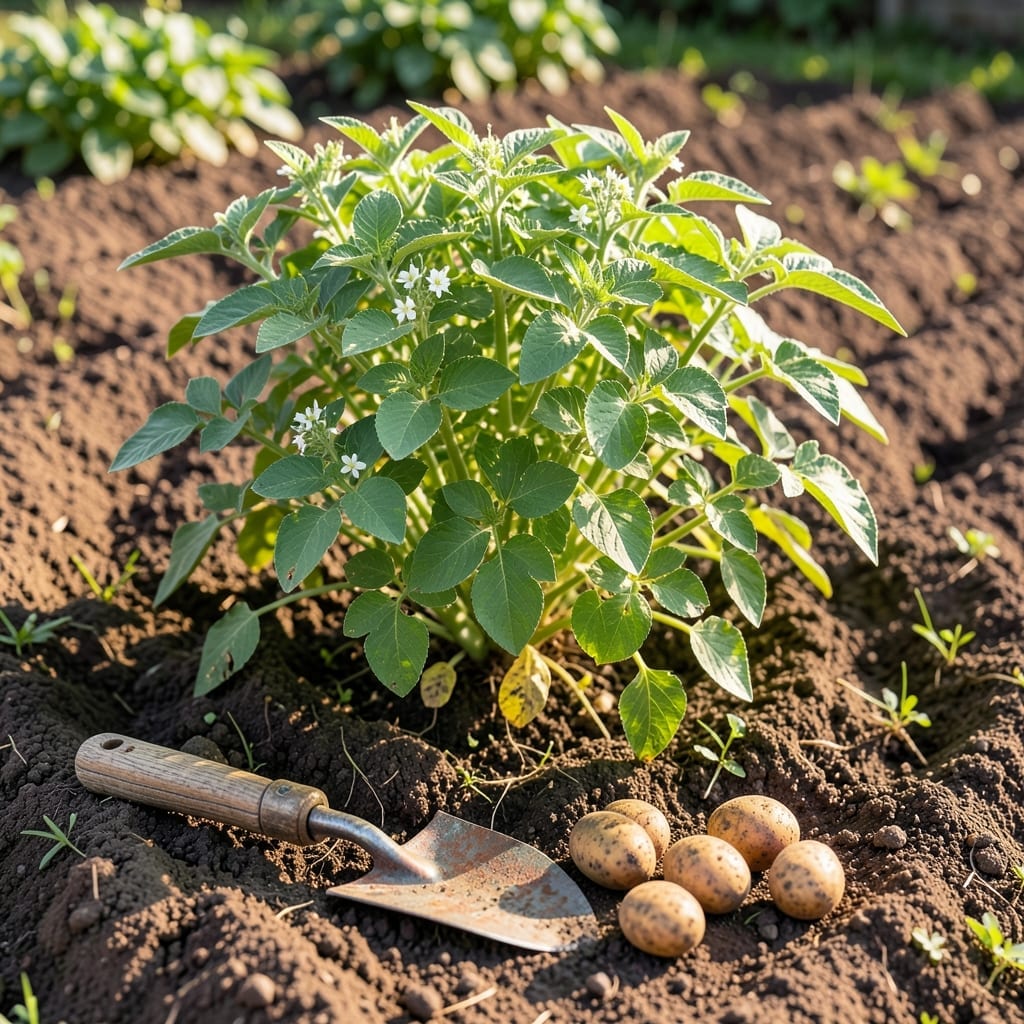
Growing perfect potatoes starts with what you can’t see. Plant them too shallow, and you’ll get small, sunburned spuds; too deep, and you risk rot or stunted growth.
The key to a bountiful harvest of 🥔 lies in mastering the ideal planting depth. It’s not just about digging a hole—it’s about giving your potatoes the best possible start.
Let me walk you through the most important factors for getting this right the first time. You’ll be amazed at the difference proper depth makes in your yield.

Getting your potato planting depth right is the foundation of a great harvest. The ideal depth prevents greening and encourages strong tuber development. I’ve found that most varieties thrive at 4-6 inches deep, but the exact number depends on your method.
For in-ground planting, aim for 6 inches in loose, well-draining soil. This gives tubers room to expand while keeping them protected from light. In raised beds or containers, you can go slightly shallower at 4-5 inches since the soil warms faster.
| Variety | Depth | Spacing | Method |
|---|---|---|---|
| Early Potatoes | 4 inches | 10 inches | Containers |
| Maincrop | 6 inches | 12 inches | In-Ground |
| Sweet Potatoes | 5 inches | 12 inches | Raised Beds |
| Yukon Gold | 6 inches | 12 inches | In-Ground |
Sweet potatoes are a bit different—they prefer 5 inches deep and need warmer soil. I always wait until soil temps hit 60°F before planting these. For Yukon Golds and other maincrops, stick to 6 inches for best results.
If you’re working with heavy clay soil, plant slightly shallower at 4-5 inches to avoid waterlogging. The key is ensuring the soil is loose and well-draining. I like to mix in compost to improve texture before planting.
Spacing matters too—plant seed potatoes 12 inches apart in rows 3 feet apart. This gives each plant enough room to develop a strong root system. In containers, you can reduce spacing to 10 inches since the roots are more confined.
For raised beds, I’ve had great success with 5-inch depth. The elevated soil warms faster, which speeds up sprouting. Just make sure your bed is at least 12 inches deep to accommodate the tubers as they grow.
Remember, hilling is just as important as initial depth. Once plants reach 6 inches tall, mound soil around the stems to encourage more tuber formation. I do this every 2-3 weeks until the plants flower.
If you’re new to growing potatoes, start with early varieties like Red Pontiac. They’re forgiving and produce well even if your depth isn’t perfect. Just avoid planting deeper than 7 inches—this can delay sprouting and reduce yield.
Finally, always chit your seed potatoes before planting. This means letting them sprout in a cool, bright place for 4-6 weeks. It gives them a head start and leads to stronger plants. I’ve noticed my chitted potatoes always outperform those planted straight from the bag.
With these depth guidelines, you’ll be well on your way to a bumper crop of homegrown potatoes 🌱
Even experienced gardeners make depth mistakes with potatoes that cost them half their harvest. I’ve seen it happen too many times. The most common error is planting too shallow, which exposes tubers to sunlight and turns them green.
Another frequent misstep is ignoring soil type. Heavy clay can suffocate tubers if planted too deep. I always recommend amending clay with compost before planting to improve drainage and aeration.
Overcrowding is another yield killer. When I first started, I packed plants too close, thinking more seeds meant more potatoes. Wrong! Each plant needs 12 inches of space to develop properly. Any closer, and you’ll get a bunch of tiny, underdeveloped spuds.
Poor drainage is a silent harvest destroyer. If your soil stays soggy, tubers will rot before they mature. I always check drainage by digging a 1-foot hole, filling it with water, and seeing how long it takes to empty. If it’s still full after 4 hours, you need to improve drainage.
Skipping hilling is like leaving money on the table. This simple step of mounding soil around stems as plants grow encourages more tuber formation. I hill my potatoes when they reach 6 inches tall, then repeat every 2-3 weeks until flowering begins.
Finally, planting too early in cold soil can delay sprouting and weaken plants. Wait until soil temps hit at least 45°F for regular potatoes and 60°F for sweet potatoes. A soil thermometer is an inexpensive tool that saves a lot of guesswork.
Fix these common mistakes, and you’ll see a dramatic improvement in your potato harvest 🌱