
Beautiful Plants For Your Interior
Beautiful Plants For Your Interior
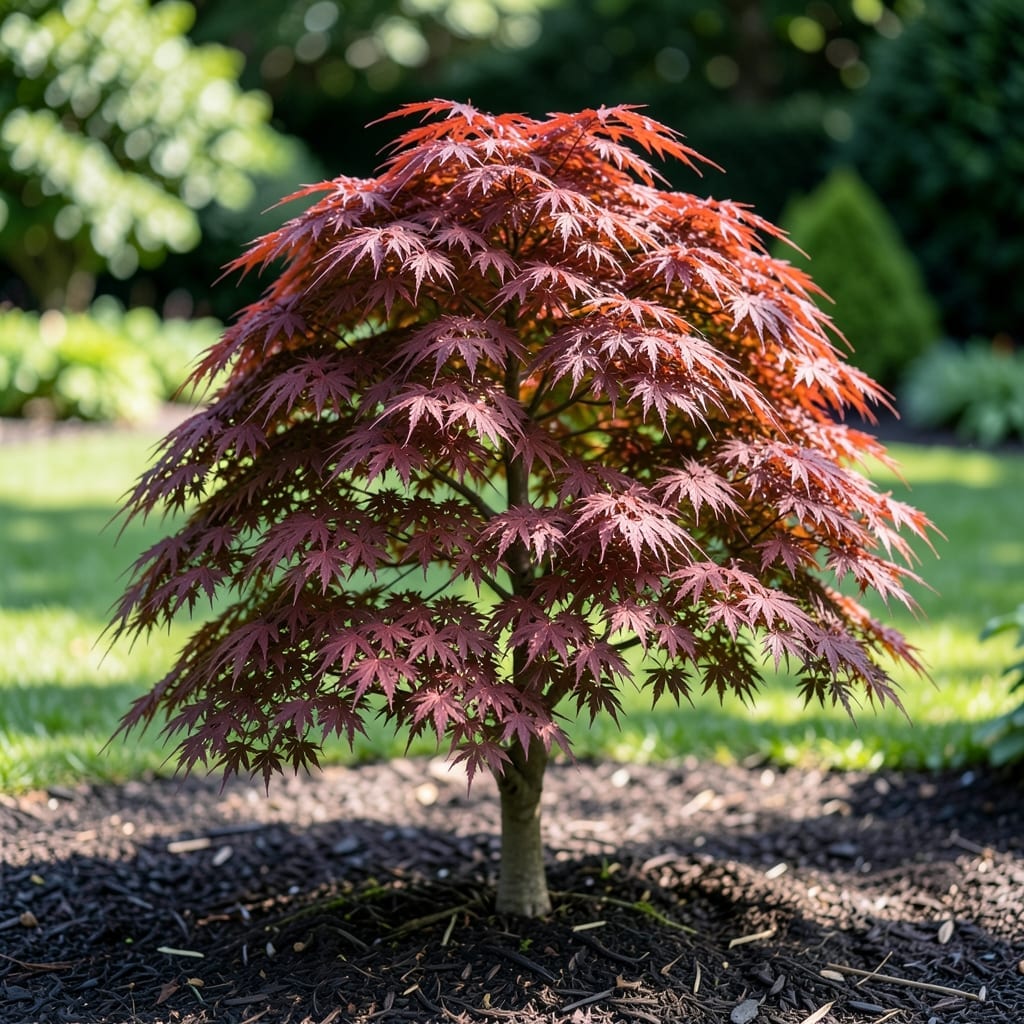
Japanese maples are prized for their stunning foliage and elegant form, but their root systems can make or break your landscaping plans.
Understanding how deep these 🌳 roots grow is the key to proper planting and long-term tree health. I’ve seen too many gardeners struggle because they didn’t account for this crucial factor.
Whether you’re planting near a foundation or in a container, knowing the root depth will save you headaches. It’s not just about the depth – the spread matters just as much.
Let me walk you through everything you need to know to give your Japanese Maple the best start possible.


If you’re planting a Japanese maple, knowing its root depth is essential. These trees have a shallow root system, typically growing 12-24 inches deep. This makes them sensitive to soil conditions and nearby structures.
Their roots also spread 2-4 times wider than the tree’s canopy. This wide, shallow growth means they compete for nutrients and need careful placement in your landscape.
| Root Characteristic | Specification |
|---|---|
| Typical Depth | 12-24 inches |
| Lateral Spread | 2-4x canopy width |
| Soil Preference | Well-draining, acidic |
| Container vs. Ground | Shallower in pots |
Soil type plays a huge role in root development. In loamy, well-draining soil, roots grow deeper and healthier. Compacted or clay-heavy soil restricts growth, leading to stunted roots that struggle to anchor the tree.
Moisture levels also impact depth. Consistent watering encourages roots to grow deeper, while drought conditions may cause them to stay near the surface. Mulching can help retain moisture and protect those shallow roots.
If you’re planting near sidewalks or foundations, keep the tree at least 10-15 feet away. The shallow, wide-spreading roots can lift pavement or damage structures over time if placed too close.
For container-grown Japanese maples, roots tend to stay even shallower due to limited space. I recommend using large, deep pots to give roots room to spread and prevent them from becoming root-bound.
Understanding these patterns helps you plan your landscape effectively. Avoid planting grass or other competitive plants under the canopy, as they’ll fight for water and nutrients with the maple’s shallow roots.
If your soil is poor, consider amending it with compost before planting. This improves drainage and fertility, giving your Japanese maple roots the best chance to thrive. A little prep work goes a long way!
Finally, remember that young trees have less established root systems. They’ll need extra care, especially in windy or exposed areas, to prevent them from toppling until their roots grow deeper and wider.
🌳When I plant Japanese maples, I always consider their shallow root systems. These trees typically develop roots that spread 12-24 inches deep but extend 2-4 times the canopy width laterally. This means they need careful placement near structures.
This shallow root depth makes them sensitive to soil compaction and drought conditions. I’ve found that proper mulching and consistent watering are key to their success in any landscape.
🌱 Key Planting Insight
Plant 15-20 feet from buildings to prevent root damage to foundations. Use 2-3 inches of mulch to protect shallow roots from temperature extremes.
I recommend planting Japanese maples in well-draining soil to accommodate their root structure. In clay-heavy areas, amending with organic matter improves root penetration and overall tree health.
For container-grown maples, I use large pots with good drainage. The roots will stay more contained but still need regular watering as containers dry out faster than ground soil.
When establishing new trees, I water deeply 2-3 times weekly for the first year. This encourages root depth development while keeping the top 6-8 inches moist without waterlogging.
Remember that root competition can stress your maple. I keep other plants at least 3-5 feet away from the trunk to ensure your tree gets the water and nutrients it needs.
With proper care, your Japanese maple will thrive for decades, its roots spreading just enough to anchor it while gracefully complementing your garden’s design 🌳